

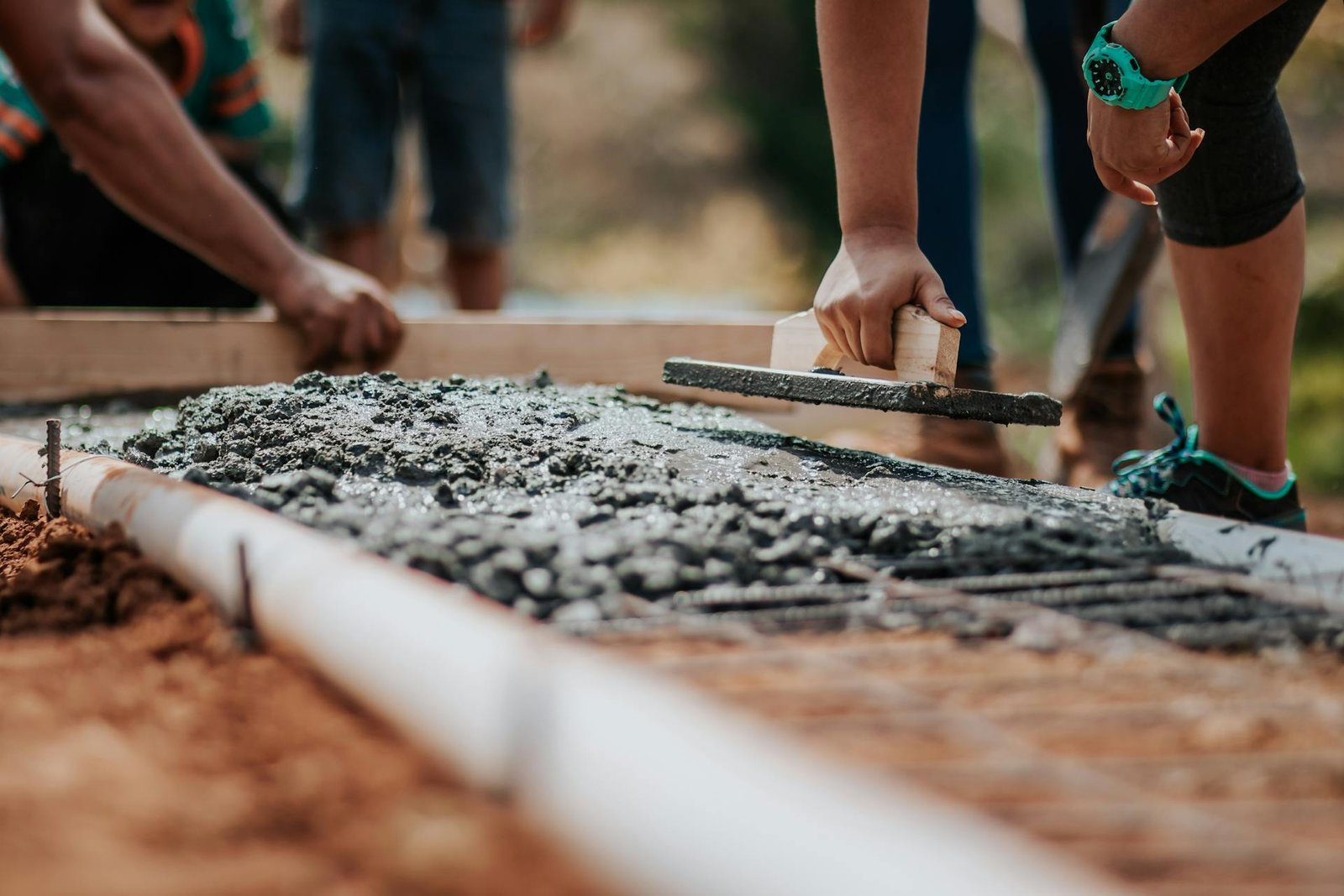
Concrete pump services make life easier on job sites where time, space, and crew size all matter. They’re a smart way to move heavy concrete from the truck to the pour spot without relying on wheelbarrows or long hours of lifting. Instead of loading buckets and walking back and forth, we use pumps to move the mix smoothly and quickly. That keeps things safe, steady, and less stressful.
Understanding how these systems work doesn’t need to be complicated. Whether we’re pouring a small patio or working on a tight basement slab, knowing more about concrete pump services helps us plan better and finish stronger. Let’s break it down in simple terms so it all makes more sense.
What Concrete Pumps Do and How They Work
When concrete arrives by truck, it needs to get to the forms without delay. A pump takes the mix straight from the truck and pushes it through a long hose. That means we can place the mix wherever it’s needed, even if the job site is far from the road or full of obstacles.
There are two main types of pumps:
• Line pumps use flexible hoses that are easy to move around. These are great for smaller pours like sidewalks, footers, or patios.
• Boom pumps have long robotic arms with pipes that reach over buildings or obstacles. We mostly use them for larger or more complex jobs.
For example, if we’re pouring behind a house where there’s no easy access, a line pump lets us run a hose back there with hardly any setup hassle. On big commercial pours, a boom pump helps us reach wide or tall areas without moving the truck. Both tools take the weight off the crew and speed things up.
At Slump Pump, our line pump can handle up to 250 feet of hose, which helps reach backyard patios, basement footers, or hard-to-access commercial spots across Pennsylvania.
Why Concrete Pump Services Save Time and Labor
Dragging concrete in wheelbarrows is slow, tiring, and messy. Pumps skip all that. They let us keep the mix flowing steady, so the crew can stay focused on placing and finishing instead of hauling.
Here’s why that matters:
• Less lifting means less fatigue and fewer chances for mistakes
• Smooth, steady pours help avoid cracks or cold joints
• Work stays moving on pace, even when timing is tight
In the colder months, the pressure’s on to finish before the temperature drops too much. Concrete can stiffen fast if it sits too long. Pumps help us move quickly, which leads to a cleaner finish and a stronger result without the rush and risk.
When and Where Concrete Pumps Make the Most Sense
Not every job needs a pump, but there are a lot of times when it sure helps. We usually look at the size of the job, how easy it is to get close with a truck, and how quickly the concrete needs to be placed.
You’ll often see pumps used on:
• Backyard patios with narrow gates
• Basements that sit below ground level
• Footers with long runs that stretch across the property
• Large slabs that need even pours from start to finish
A good way to tell if a pump would help is to look at the access. If we can’t drive close or need to stretch the pour across a wide area, a pump is usually worth it. It cuts down on setup time and keeps everyone working smarter instead of harder.
Our crew at Slump Pump specializes in working around tricky layouts and making sure every concrete pour, whether residential or commercial, runs smoothly and efficiently.
What to Expect on Pour Day
When we bring a trailer pump to the job site, everything starts with setup. We park the pump where it won’t block the truck, then run hoses to the pour area. Job sites do need a little prep, like clearing paths and making sure there’s space for the hose to move safely.
Most pours follow a rhythm:
• The pumping crew helps hook up the hoses and watches the flow
• One or two team members guide the hose where the concrete goes
• Others smooth and finish right behind the pour
Safety is always part of the plan. We double-check that no hoses are bent or pinched and keep paths clear for people walking nearby. Working with a crew that’s done this before makes things easier, since everyone knows what to expect and how to handle the setup with care.
Clear the Cold-Weather Concrete Confusion
Pouring concrete in winter comes with a few challenges, especially as temperatures dip around December. Everything slows down when it’s cold. That includes the mix itself, which can stiffen fast if not placed right away.
Here’s where pumps come in handy:
• Quicker delivery helps us keep the concrete workable during each stage
• Continuous movement helps the mix settle properly without freezing
• The crew spends less time shifting tools and more time finishing the surface
We also take extra steps on cold days, like warming the mix or covering fresh pours, but having a pump helps the most. It keeps us on schedule when daylight hours are short and the weather doesn’t wait.
Why Smart Projects Start with the Right Tools
Planning ahead makes a big difference once we’re on site. Concrete pump services aren’t just about speed, they make the whole job cleaner, smoother, and easier to manage. Instead of fighting traffic on the job site or worrying about timing, we stay focused on doing the work well.
We’ve found that the biggest wins come when we:
• Use the pump to reach tricky spots fast
• Keep the flow steady and skip the stop-and-go
• Cut down on messes, mistakes, and wasted energy
Choosing the right equipment from the start helps everything go more smoothly. With so many moving pieces during a pour, it’s one less thing to worry about. It’s not just about getting the concrete there, it’s about getting it there right.
Having steady, reliable help makes all the difference when space is tight or deadlines matter on your job site. We know a pour goes much smoother when the equipment matches your project from the start, which is why we focus on providing exactly what you need. To see the full list of ways we can help on your next job, check our concrete pump services. Ready to plan your next pour? Contact Slump Pump today.