

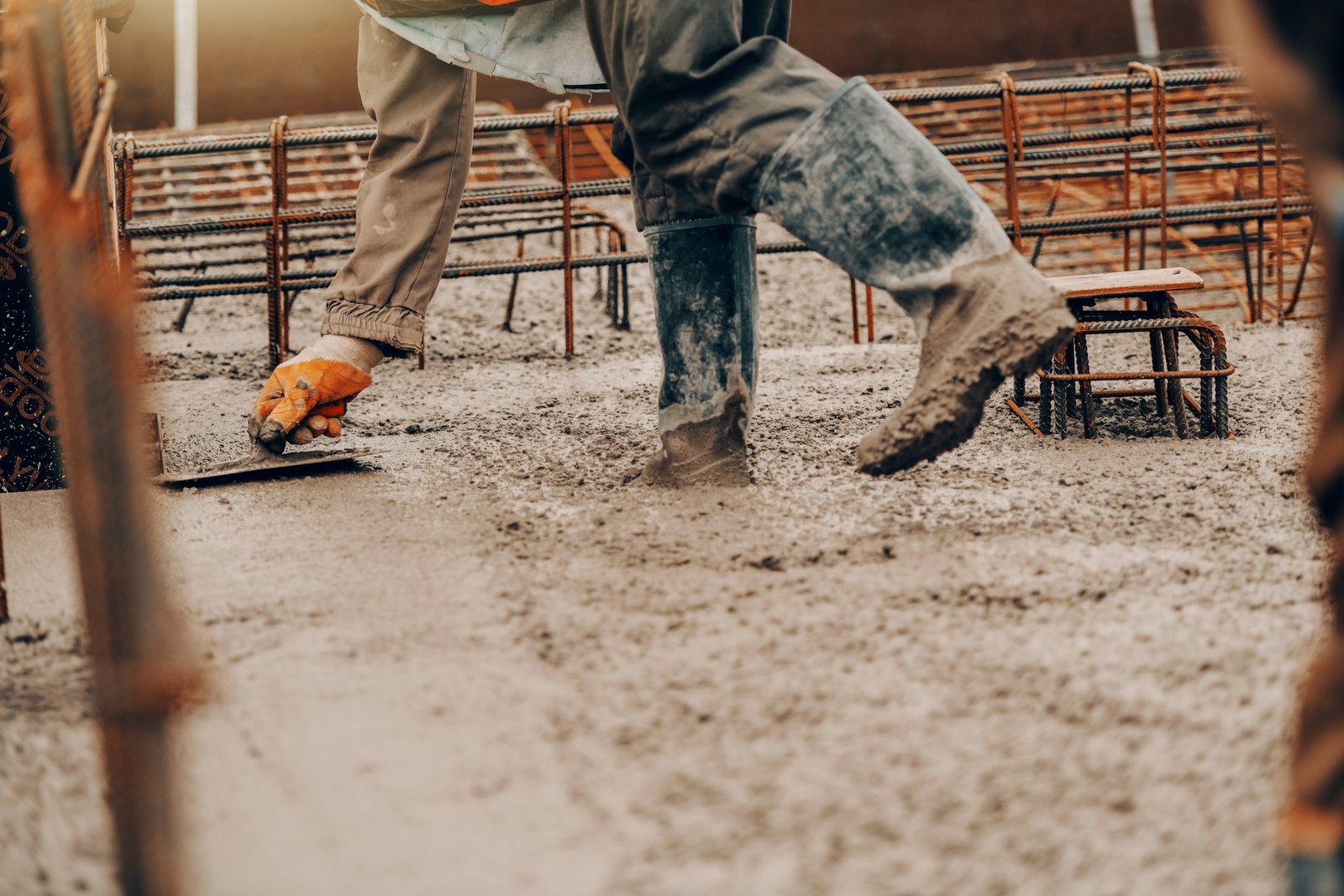
Picking the right concrete line pump can make your project smoother from the start. When everything fits the layout, pouring gets easier, timelines shrink, and stress levels drop. We’ve worked on enough jobs to know that the wrong setup can slow everything down, especially during winter when daylight is short and the cold creeps up fast.
Choosing a concrete line pump isn’t just about getting concrete from point A to point B. You’ve got to think about what you’re pouring, where it’s going, and how quickly you want to finish. One size doesn’t work for every site. So we’ve pulled together some helpful tips that can set your job up for a better pour, even when cold weather makes things harder.
Know What You’re Pouring
Different types of pours need different setups. A small patio doesn’t need the same pump or hose as a deep basement footer or a long, sloped driveway. It’s not just about shape or space, it’s about the volume of concrete and how thick it needs to be.
Here are a few common pour types and how they might affect your pump choices:
• Patios: Usually flatter and close to ground level, which may mean a shorter hose will do the trick.
• Driveways: Depending on length and slope, you might need a pump that can support a longer reach.
• Footers: Often below grade and sometimes in tight spaces, so flexible but strong hoses matter.
• Basements: These can be deep and cut off from driveway access, making a longer pump line necessary.
Bigger pours or thicker concrete demand something with more strength to keep material flowing steadily. Picking a pump that can match that need saves time instead of stopping and fixing clogs or working slower than expected.
Slump Pump supplies both line pump and trailer pump options for patios, driveways, footers, and basement pours, designed to match the size and scope of your job in Pennsylvania.
Think About Access Around the Job Site
Access can surprise us, even when we plan ahead. Sometimes a backyard’s tighter than we thought or a fence we assumed could be moved is locked in. That’s where the right concrete line pump becomes useful. We’ve used them to reach over stone walls, go through hedge lines, or even around sheds when trucks just couldn’t make it through.
If your site has narrow entry points or slopes that a vehicle can’t climb, it helps to plan for:
• Driveways with limited width or turns
• Yards enclosed with fences, garden beds, or tree lines
• Pour zones blocked by porches or steep drop-offs
With a line pump, we can run hose through narrow spots without disturbing the rest of the yard or needing heavy equipment to do the job. Using a pump that doesn’t match the layout means more adjusting on-site, which leads to longer setups and more hours lost to cleanup.
Our line pumps can place concrete up to 250 feet from the street, helping us service challenging areas across residential and commercial sites.
Weather and Work Windows
During the winter, time really matters. Sunlight runs out fast and cold air sets in just as quick. That means pouring concrete takes more coordination. It’s risky to start too late in the day only to have the temperature drop before the mix can cure.
The pump you choose can either help you beat that timeline, or slow you down. Picking something that handles the speed and distance you need helps us finish before the warm window closes. Here’s what we plan for on colder days:
• Pouring during the warmest stretch of the day, often late morning
• Keeping the concrete moving quickly from truck to pour site
• Avoiding delays caused by stoppages or resets if something clogs or doesn’t flow right
Fast pours lead to better results when cold weather pushes against the job. A line pump that makes it easier to keep pace means we don’t lose good weather or pour under bad conditions.
Make It Simple With the Right Setup
There’s more to picking a pump than just hose length. Flow rate, pumping distance, and pump type all affect how smooth the setup goes. The better the match, the smoother the pour.
Line pumps work well for jobs where the mix needs to travel across tight areas or curves. They use flexible hose, which makes them a good fit for awkward layouts. A trailer pump might work better for longer distances or when there’s a high volume of mix to move. Both have their place, it just depends on what the job calls for.
We pay attention to the little things like:
• Making sure hose length and strength match the space
• Picking a pump that can keep pace with the batch arrival
• Keeping connections clean and clear to prevent slowdowns
Getting those settings right can mean the difference between a steady pour or one that keeps stopping every few feet.
What a Right-Fit Pump Can Do for Your Project
The wrong setup can waste your time, stretch your day longer, and wear out your crew before the pour is even halfway done. Finding the right pump ahead of time avoids all that. It fits the job’s pace and layout, which means we don’t have to fix problems as we go.
Matching the pump to the job offers more than just better speed. It gives us a better chance to stay on schedule, which matters more in the colder months. Shifting a weekday pour to the weekend just because the gear didn’t fit isn’t something any of us want to deal with mid-winter.
With smarter planning, simpler setups, and equipment that fits the space and task, we’re more likely to get the job done how and when it’s supposed to happen. And when temperatures start working against us, that kind of fit and flow makes all the difference.
Tight spaces, heavy pours, and strict deadlines can make any job challenging, but our team is ready to match you with the perfect solution. The right concrete line pump keeps your pours on track, whether you’re working on a small patio or a deep basement. At Slump Pump, we handle the planning and details so your schedule runs smoothly. Reach out to discuss your next project and see how we can make the process faster and less stressful.