

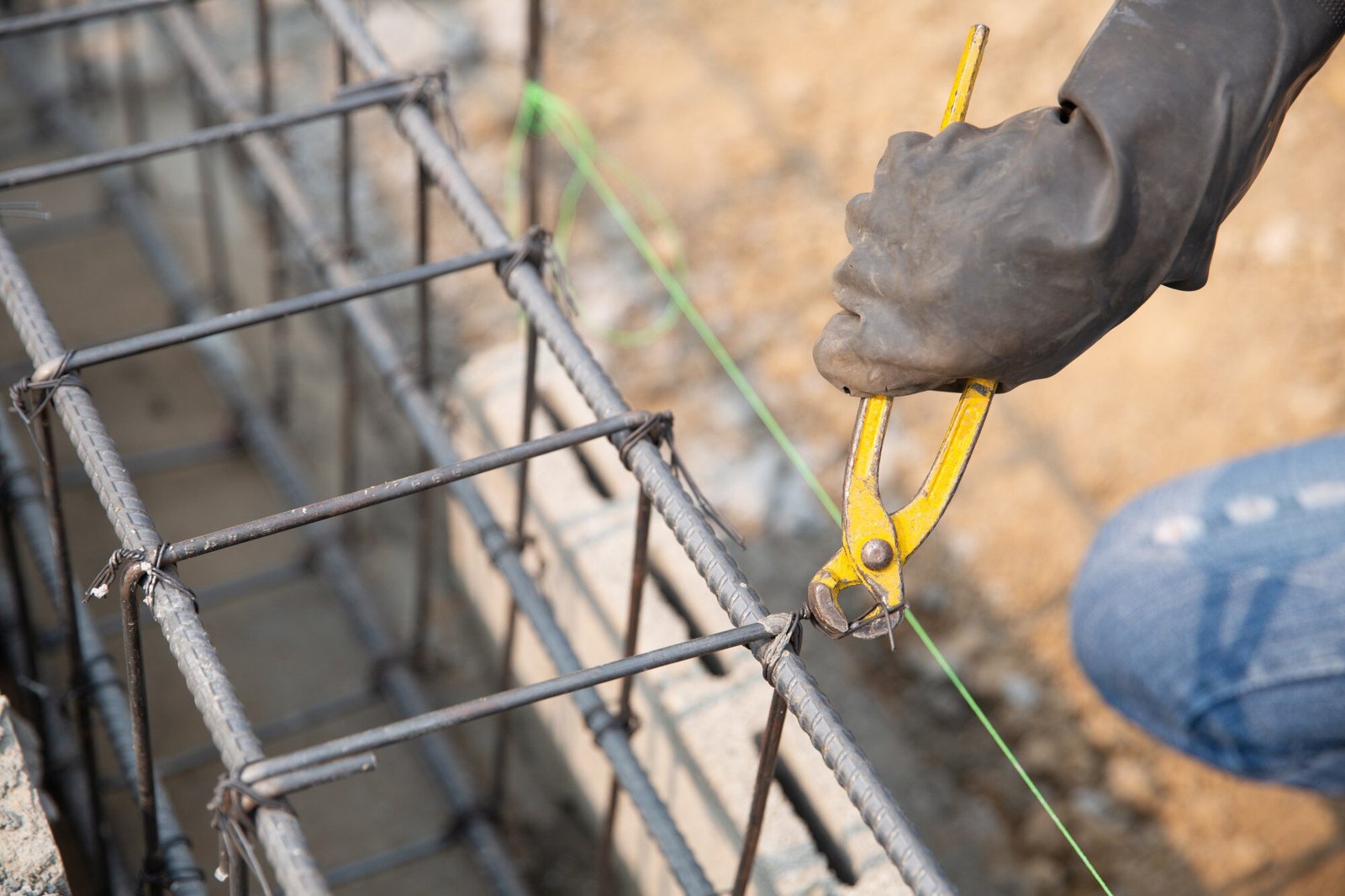
When we talk about starting a building project, a strong foundation is where everything begins. Before walls go up, before roofs get framed, the concrete has to be poured right. That’s where concrete foundation pumping comes into play. It’s not just about getting the mix from one place to another. It’s about how that mix gets placed, how fresh it stays, and how smooth the pour goes.
Using a pump helps us move concrete quickly into tight or far-off areas without stopping for buckets or wheelbarrows. That means the mix can settle evenly, and we avoid slowdowns that mess with the timing. A steady and smooth foundation pour sets the stage for everything built on top of it. If the base isn’t solid, the rest of the structure feels it later.
Why the Way Concrete Gets to the Forms Matters
How we move concrete from the truck to the forms can make or break the job. We’ve worked on projects where wheelbarrows were used and others where everything was done by pump. The difference shows up fast, on the clock and in the final result.
Pouring by hand takes longer and puts strain on the people doing the hauling. The more time it takes, the more likely the concrete starts to set before it’s poured. That can lead to weak spots from one batch not bonding well with the next.
Concrete foundation pumping helps us avoid that. It lets us:
• Place concrete more evenly, without big breaks in between
• Reach tricky areas like far corners, narrow walkways, or spots with no truck access
• Keep the mix flowing instead of stopping and starting
We’ve seen how just a few extra feet of hose can cut down on delays and keep things flowing. A flat backyard with no side gate might seem fine in a drawing, but once the truck shows up, it can be a whole different story.
What Happens When the Pour Isn’t Consistent
If the pour starts and stops too much, the problems don’t always show up right away. But over time, cracks, seams, and low spots can all trace back to a rough start. Drying too fast or setting unevenly causes weak spots in the slab that no one wants coming back during inspections.
Let’s say one side of a footer starts drying while we’re still getting the other side filled. That timing mismatch causes a cold joint, the kind of seam that doesn’t hold up well. These small breaks in the pour can lead to shifting or settling later, even under normal weight.
Concrete foundation pumping helps us avoid those breaks because we keep the mix moving. It’s not about moving faster just to finish early, it’s about keeping a steady rhythm that lets each part connect to the next with no gaps or delays.
How Pumping Keeps the Mix Fresh and Strong
Concrete doesn’t wait. Once water is added to the mix, the clock starts ticking. Every minute counts toward how long we can work with it before it starts to set. That’s why timing is so important when we’re getting everything into place.
A big advantage of pumping is that it keeps the concrete fresh. Instead of sitting in a bucket or waiting at the truck, it flows straight from the barrel to the forms. That means the mix we pour starts its curing process all at once, giving us a stronger, more stable base.
We think about things like:
• How far the concrete has to go from the truck
• Whether there’s enough room on the job site to pour without moving the truck
• What kind of pump fits best based on distance and direction
Slump Pump provides line pump and trailer pump solutions that can reach up to 250 feet, making it possible to pour foundations in tight areas or sites with limited access.
Keeping the flow smooth helps the entire load settle and cure together, not in pieced-together sections. That’s a big part of building strength from the start.
Cold Weather, Wet Ground, and Other Job Site Challenges
Working in winter changes everything. The ground freezes, it’s hard to find stable footing, and wet areas turn into slippery messes. All of this affects how concrete gets placed, and how fast we can move.
That’s why pumping makes a big difference this time of year. When the job site is already chilly or damp, we don’t want to keep hauling wheelbarrows across soft ground. We want the mix to move quickly from the truck to where it needs to cure.
Using a pump can help:
• Cut down on walking paths and reduce time in freezing air
• Avoid dragging tools through wet dirt or snow-covered yards
• Keep job sites cleaner, with fewer splashes and fewer piles to manage later
Our team at Slump Pump works year-round throughout Pennsylvania, helping both residential and commercial clients manage clean, efficient foundation pours no matter the weather.
Less mess means fewer delays in getting to the next stage of the build. A clean pump setup often means we’re able to keep the job moving, without rushing or backtracking.
Building Strong from the Bottom Up
When we set the foundation right, every step that comes after it goes smoother. Being able to plan a steady pour, avoid cold joints, and keep the concrete mix fresh is part of making that happen. It doesn’t take much to throw off a build’s timeline or strength, but foundation pumping helps us stay a few steps ahead.
We know that what happens under the surface matters as much as the parts everyone sees. Starting strong gives the whole structure a better shot at lasting, with fewer issues popping up down the road. A better pour at the start means a better finish in the end.
Starting your project with a solid foundation requires careful planning, from choosing the right pouring method to considering timing, site access, and unpredictable weather. We use specialized tools and proven techniques to support a steady, efficient process at every step of the job. To see how our team manages concrete foundation pumping with care and consistency, connect with Slump Pump today and get your next build started on the right foot.