

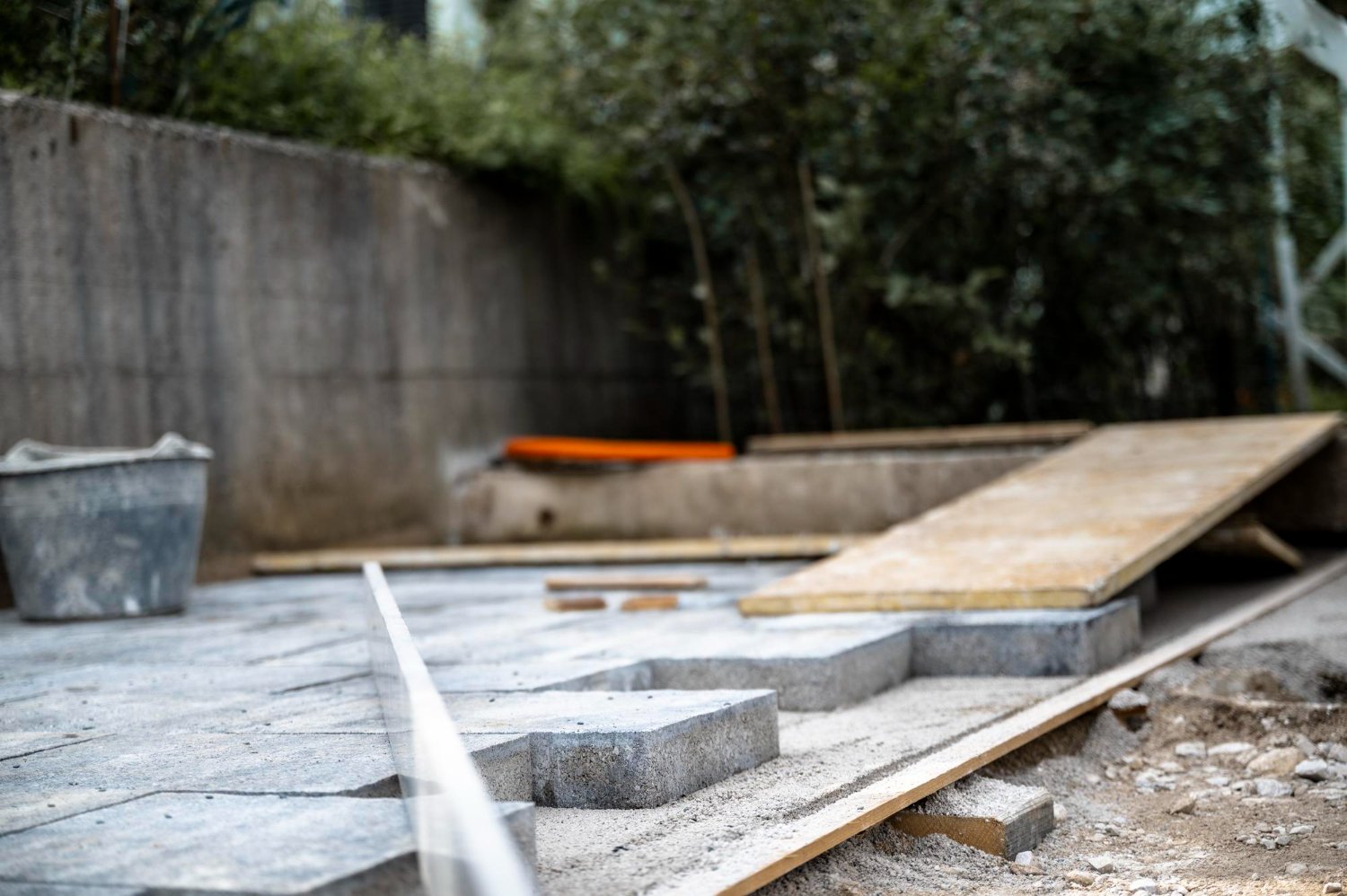
Late winter in Pennsylvania can feel a little long. The snow piles melt, the yard looks tired, and we all start thinking about warm evenings outside. February is the perfect time to plan those backyard concrete projects so everything is ready when summer finally shows up.
This is when a concrete line pump really proves its worth. Instead of trying to drag a big ready mix truck close to your patio or shed, a line pump uses hoses to move the concrete from the street to the exact spot in your yard. The work goes faster, the job stays cleaner, and your grass and landscaping do not get torn up.
For homes in Feasterville-Trevose, Southampton, and nearby towns, many backyards are tight, sloped, or fenced in. Residential concrete pumping makes it much easier to get concrete into those tricky spaces without turning your whole yard into a construction zone.
We will walk through a few common backyard projects where a line pump saves time, cuts down on stress, and helps your concrete turn out the way it should.
Backyard Patios and Outdoor Living Spaces Made Easy With Line Pumps
Backyard patios and outdoor living areas almost always sit behind the house. That makes sense, since you want privacy for cookouts, fire pits, and family time. But that same privacy can be a headache on pour day.
Fences, decks, sheds, and narrow driveways can block truck access. Trees and gardens are often right where a truck would need to drive. If the concrete has to be hauled by wheelbarrow from the front to the back, the work gets slow and messy.
With a line pump, we simply run hoses from the street or driveway, around those obstacles, and straight to the patio area. That means:
• Fewer wheelbarrow trips
• Less damage to lawns and plant beds
• Less mud and mess tracked through your yard
• A calmer, more controlled pour
It also helps with quality. When concrete is moved by wheelbarrow, it can arrive in uneven batches and start to set at different times. With pumping, the concrete flows in a steady stream, which helps reduce cold joints and gives a smoother, more consistent base for stamped or decorative finishes.
If you start planning and scheduling in late winter, we can often get your patio poured as soon as weather conditions improve. That gives the concrete time to cure before you set up furniture, grills, or a fire pit. By late spring and early summer, your outdoor living space is ready for weekend hangouts instead of still being stuck on a to-do list.
Strong Foundations for Sheds, Hot Tubs, and Backyard Structures
Backyard structures may look small, but they rely on strong, level concrete underneath. Think about:
• Shed slabs
• Hot tub pads
• Pergola or gazebo footings
• Pool house or cabana foundations
These projects often get tucked into corners of the yard, along property lines, or near existing patios and decks. Getting a big truck anywhere close might be impossible. You might also have play areas, gardens, or existing hardscaping you do not want to disturb.
A line pump lets us snake hoses back to those corners and place the concrete where it needs to go. We can fill tight forms, reach around steps or decks, and keep the crew working in a small, controlled area.
Good placement is not just about looks. It helps with:
• Even slab thickness, so your shed or hot tub sits level
• Proper coverage over rebar or wire mesh
• Fewer interruptions while pouring, which can affect strength
Winter and early spring are smart times to pour these foundations. That way, as soon as the weather warms and materials are available, the main structure can be built right away. Instead of waiting weeks for a pad to cure, you are already ahead of the game and ready to set your shed, hot tub, or pergola.
Walkways, Steps, and Drainage Fixes That Protect Your Property
Sidewalks and steps along the side or back of a house are common trouble spots. Yards in Feasterville-Trevose and Southampton might be narrow, sloped, or squeezed between houses that sit close together. Getting concrete back there without a line pump can turn into a real challenge.
With hoses, we can run along the side yard, around AC units, and even down slopes without heavy machines chewing up the turf. That keeps your property looking better both during and after the job.
Concrete walkways and steps are more than just a path. They can help:
• Make tricky areas safer in rain, snow, and ice
• Provide non-slip access from the front yard to the back
• Tie together patios, driveways, and sheds
• Support small retaining walls or drainage channels
Drainage fixes are especially important around late winter and early spring. As snow melts and spring storms roll in, you want water flowing away from your foundation and low spots, not straight toward them. Concrete swales, small channels, and properly sloped walks can help guide water where it belongs. Using residential concrete pumping for these jobs keeps the work efficient and less disruptive, even when the access is tight.
Cost-Smart Backyard Upgrades With Residential Concrete Pumping
Some people hear the word “pumping” and think it is only for giant construction sites. In reality, a line pump is a very practical tool for everyday backyard work, especially when access is limited and there is a lot of distance from the street to the pour area.
By choosing residential concrete pumping, you can often cut back on the most tiring parts of the job. Instead of a crew spending hours pushing heavy wheelbarrows, the pump does the hard moving, and the crew can focus on placing and finishing the concrete properly.
That can lead to:
• Fewer labor hours spent on hauling
• Less cleanup from spilled concrete and torn-up soil
• Lower chance of delays from a slow or staggered pour
• Better finish quality, since the crew is less worn out
In the Feasterville-Trevose and Southampton areas, local pumping pros know the neighborhood layouts, driveway lengths, and typical access issues. We also understand how local weather affects scheduling, from freezing nights to surprise spring showers. That local knowledge helps keep backyard projects on track and reduces surprises.
It is always worth asking your contractor if adding a line pump might shorten the timeline, improve the finish, or help keep the project more controlled from start to finish. In many cases, the pump simply lets the crew do its best work.
Plan Your Spring Pour With Slump Pump’s Backyard-Ready Line Pump Services
As winter winds down, schedules start to fill up fast. If you want a new patio, shed pad, hot tub slab, or safer walkway ready by summer, now is the time to plan. A bit of early prep makes it much easier to lock in a date and get the right pumping setup ready for your yard.
Helpful steps include:
• Looking at how trucks and hoses could reach your backyard
• Marking where you want patios, pads, or walkways to go
• Taking rough measurements of the areas you want poured
• Thinking about how you use your yard, so the layout fits your life
At Slump Pump, we focus on residential concrete pumping with line pumps that are perfect for backyards in our local Pennsylvania communities. We help homeowners and small contractors figure out the best way to get concrete where it needs to go, without turning the property upside down.
If you are in Feasterville-Trevose, Southampton, or a nearby town and you are thinking about a spring concrete project, we are ready to talk through the plan, suggest pumping options, and help you schedule a pour date before the busy season hits.
If you are planning a new pour or need help troubleshooting a tricky project, our team at Slump Pump is ready to step in with reliable residential concrete pumping support. We will help you choose the right approach, schedule around your timeline, and keep the worksite running smoothly from setup to cleanup. To discuss your project or request a quote, contact us and we will walk you through the next steps.