

Avoiding Headaches on Tight-Access Concrete Jobs This Spring
Spring in Pennsylvania is when yards finally thaw out, snow piles melt, and everyone starts staring at that muddy side yard or cracked patio. Around Feasterville-Trevose, Southampton, and nearby neighborhoods, houses sit close together, driveways are narrow, and side yards can feel more like hallways than open space. Try getting a big concrete truck back to a rear patio like that. It gets stressful fast.
Maybe you are planning a new patio, a pool deck, or an addition. Maybe you want to fix that rough basement floor before the summer humidity rolls in. Spring is a great time for concrete work because the ground is soft but not frozen, and daytime temps usually sit in a better range for curing. The catch is that everyone else has the same idea, and tight lots make the work tricky.
That is where planning ahead really matters. You do not want to be figuring out access the morning the trucks show up. A concrete line pump can turn those squeeze spots into a clear path. It lets us keep the trucks out on the street or driveway while we push concrete right where you need it. Cleaner, safer, and a lot less chaos in your yard.
Understanding What a Concrete Line Pump Can Do For Your Site
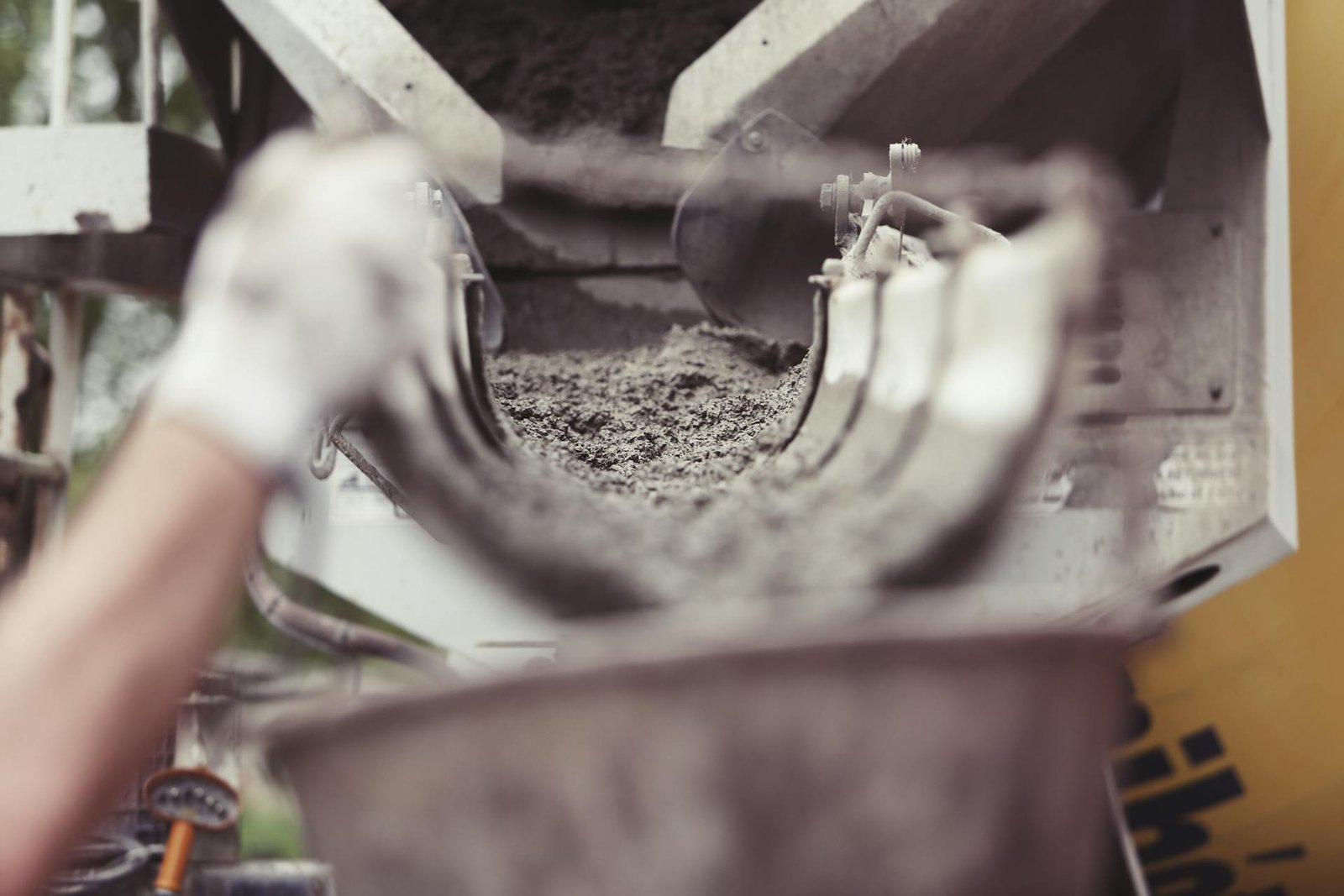
So what is a concrete line pump, exactly? Think of it like a strong heart and a long hose. The pump sits on a trailer or small truck at the curb or in the driveway. Concrete is fed into the machine, then pushed through a series of connected hoses that we lay out across your property.
This is different from a boom pump, which has a big arm that swings overhead. It is also very different from the old-school way of pushing wheelbarrows or driving a buggy back and forth over your grass. Instead of heavy loads rolling over your lawn or through your garage, we let the hose do the moving.
A line pump really shines in tight spots like:
- Backyard patios behind houses
- Interior slabs for additions or sunrooms
- Basement and lower-level floors
- Foundation walls behind existing buildings
- Tight commercial alleys and side yards
For homeowners and contractors, the benefits are pretty simple. Fewer people have to fight with wheelbarrows, which means less strain and fewer trips. There is less mess, less lawn damage, and fewer ruts to fix. Concrete flow is more steady and predictable, so finishing crews can focus on quality instead of chasing scattered loads.
Evaluating Tight Access Before You Schedule the Pour
Before you lock in a pour date, it helps to walk the site with a sharp eye. The more you notice now, the smoother your day will go.
Start at the street or driveway and think like a big truck. Is there room for a concrete truck to park flat and safe? Are there steep areas or soft spots that might cause trouble? Is the driveway fragile or already cracked? These details affect where we place the pump.
Then look at how we will reach the actual pour area:
- Measure gate and fence openings
- Check for low tree branches and overhead wires
- Look for tight corners and narrow walkways
- Note decks, AC units, and sheds we must work around
Next, picture the hose path. The hose is flexible, but it still needs a clear route. We often protect surfaces with plastic, plywood, or rubber mats. That helps keep mud off pavers, guards grass from scuffs, and shields interior flooring if we are running hose through a doorway.
Taking a few simple steps helps a lot:
- Measure key widths like gates and side yards
- Snap photos from the street to the pour area
- Mark any spots that are soft, sloped, or delicate
When you share that information with our team, we can plan hose lengths, entry points, and any special setup before we show up. That saves time and limits surprises on pour day.
Coordinating Ready-Mix Delivery And Pumping For a Smooth Spring Pour
Once spring hits in March and April, ready-mix trucks book up fast. Warmer weather windows can be short, so locking in both your concrete and your concrete line pump early is a smart move.
Pumping and ready-mix must work together. The mix design and slump need to be right for the pump so the concrete flows smoothly through the hose without clogging. If the mix is too stiff, it can slow things down. If it is too wet, it can affect finish quality. We like to coordinate with the producer so everyone is on the same page.
Truck timing is another big piece. On a tight site, you do not want three trucks all trying to arrive at once with nowhere to park. We can help you stage arrivals so:
- Trucks wait where they are not blocking neighbors
- The pump has clear space to work
- Crews are ready at the slab when concrete starts flowing
On the day of the pour, it helps to have a few things ready before we arrive:
- A clear plan for where trucks will park
- Access to water for cleanup and hose priming
- Power if there is any job-specific equipment that needs it
- Clear paths to the placement area
That planning keeps your job on schedule and reduces back-and-forth during the most hectic part of the day.
Safety, Cleanup, And Protecting Your Property On Constrained Sites
Tight-access jobs can feel crowded. That is why safety sits at the top of the list. We try to keep walkways clear and hose paths obvious so nobody trips or walks into the work zone by accident.
We may set cones or caution tape along the hose run, especially near sidewalks or shared driveways. When the pump is running, the hose can move and jump if the flow changes, so we keep trained hands on it and ask others to keep some distance while concrete is moving.
To protect your property, we often:
- Lay mats or boards under hoses in lawns and on pavers
- Use plastic to shield siding, fences, and nearby plants
- Choose a washout spot that is safe and easy to restore
We will talk with you about a good washout area ahead of time, usually a spot that can be cleaned up or removed after it hardens. Having trash bags or cans ready for plastic and tape helps us leave things tidy. A quick final walkthrough together lets us confirm that paths, driveways, and yard areas are left neat and safe for you and your neighbors.
Your Next Tight-Access Pour Made Easy With Local Pumping Pros
Planning a tight-access job can feel like a lot, especially when you are trying to juggle designs, permits, and schedules at the same time. That is where a local team that works with a concrete line pump every day can really help. When we look at your site early, we can spot trouble areas, suggest the best hose route, and set realistic timelines that fit our spring weather patterns.
At Slump Pump, we focus on making those squeeze spots simple. The right pumping plan can cut down on labor strain, keep your project on track, and help protect the look of your yard, walkways, and driveway all season long. Whether you are a homeowner planning your first patio or a contractor lining up a busy spring calendar, we are ready to help you build a smooth path for your next pour.
If you are planning a pour and need reliable equipment and support, Slump Pump is ready to help. Whether you need prompt concrete line pump service for a small residential job or a larger commercial project, we can walk you through the best setup for your site. Tell us about your timeline and project details and we will provide clear recommendations and scheduling options, or you can contact us to request a quote.