Author: Daniel

  • Signs You Might Need a Concrete Line Pump Contractor Soon

    Signs You Might Need a Concrete Line Pump Contractor Soon

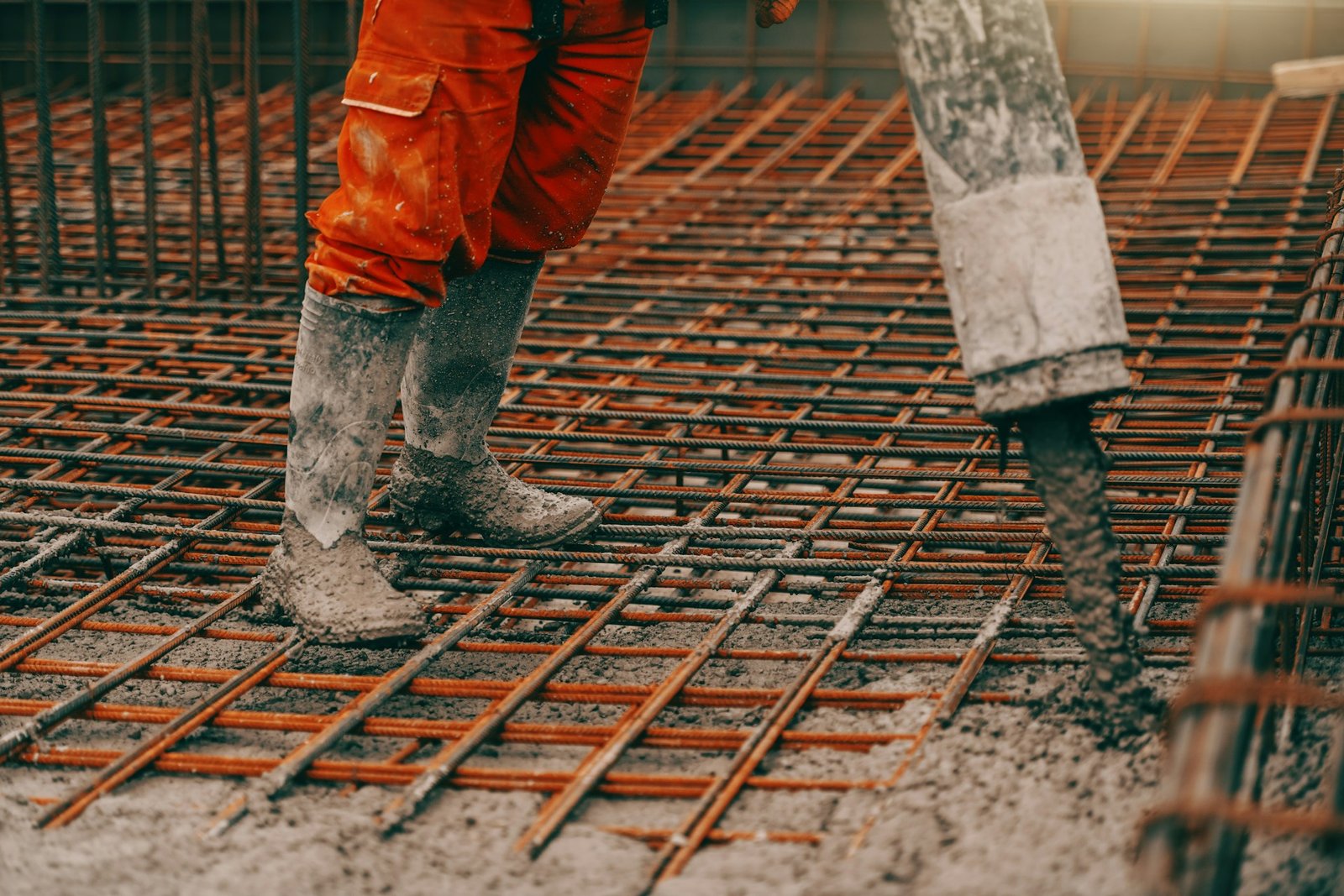
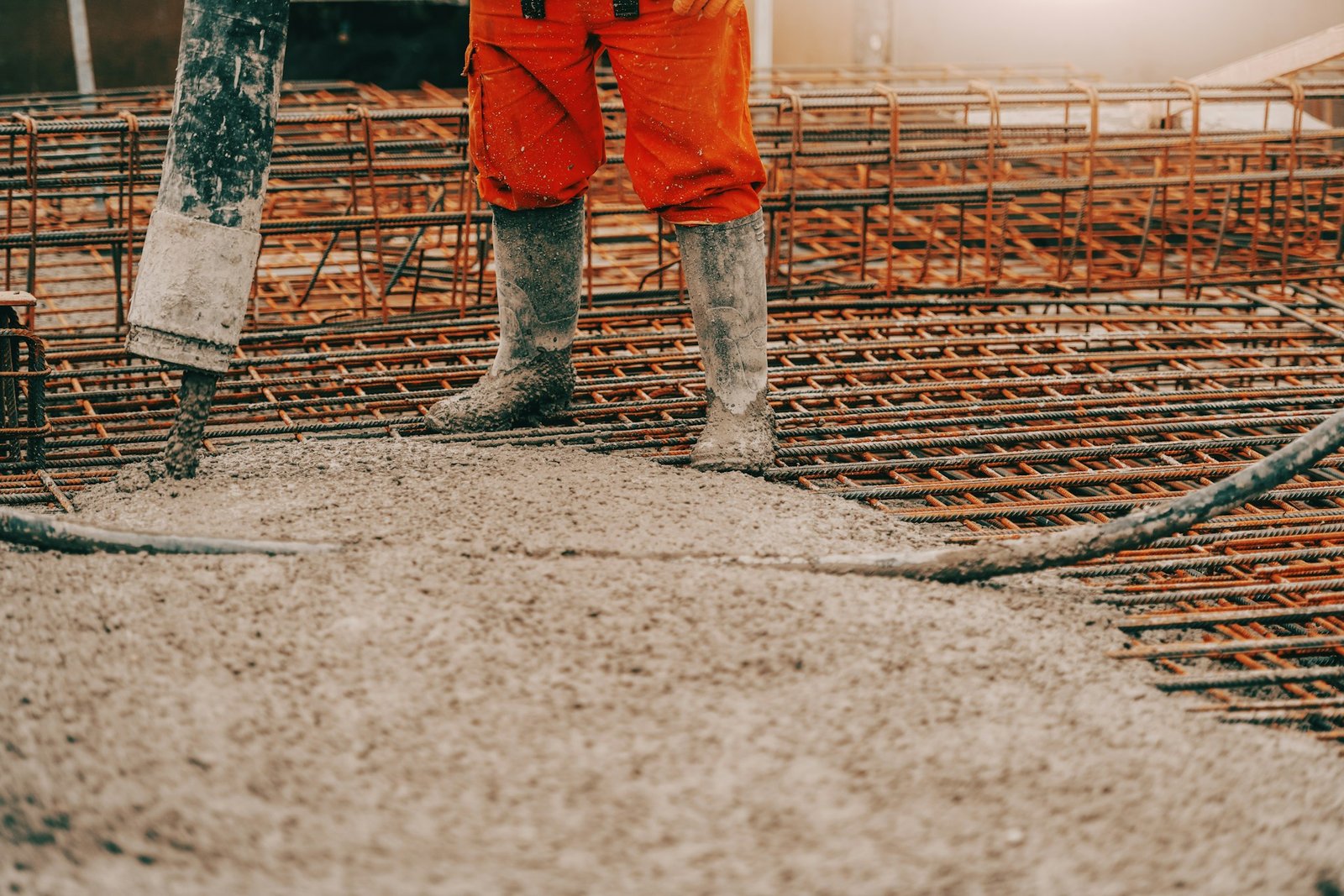
    When a concrete job starts to feel like more work than expected, it may be time to look at the tools you’re using. Projects with tight turns, tricky access points, or long stretches to cover can slow everything down. That’s where a concrete line pump contractor might be the right call. This kind of setup makes it easier to place concrete where trucks can’t go and saves time in the process. With fall already moving in, now’s a smart time to check how your pour areas look and whether your site is geared up for what’s ahead. Getting ready before the weather changes can help keep projects on track instead of playing catch-up when colder days hit.

    Your Pour Area Is Hard to Reach

    Some job sites just aren’t built for easy access. Maybe you’ve got a backyard with no driveway, a basement entrance that’s around the back, or narrow gates blocking direct paths. Trying to get a mixer into those spots isn’t just tough, it might not even be an option.

    • If concrete trucks can’t pull up right by the pour spot, the job quickly gets more complicated

    • Tight access points often slow work down and lead to more time carrying loads by hand

    • Wheelbarrows can be tricky, especially when the ground is uneven or wet

    We’ve worked in lots of places where a pump line made the whole process safer and faster. You don’t want crews spending all day hauling wet concrete across a backyard or squeezing through narrow walkways. When it’s this hard to reach your pour site, a line pump is usually the smarter choice.

    Crews Are Spending Too Much Time on the Pour

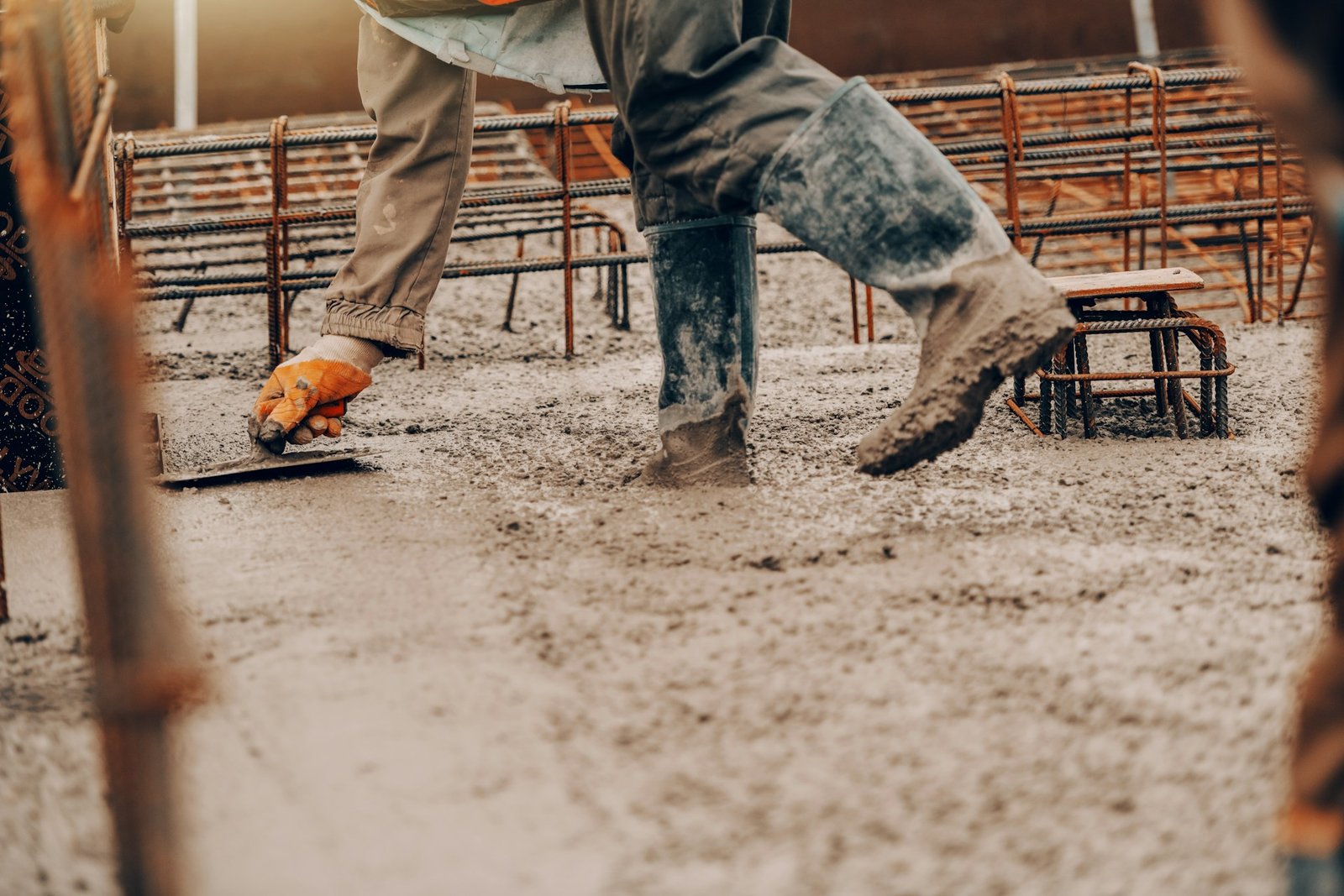
    If your team’s working hours are getting eaten up just trying to move concrete from the mixer to the forms, that’s a red flag. When manpower is tied up in hauling bucket after bucket, everything else takes a back seat.

    • The work falls behind because the pour isn’t moving fast enough

    • Everyone gets stretched thin, which can lead to simple mistakes

    • Tasks that should take minutes end up taking twice as long

    We always keep an eye on productivity. If your crew is burning daylight just transporting mix, something’s off. There’s a better way to handle it without adding pressure or cutting quality. Line pumps keep the work flowing so the crew can focus on doing the job clean and right, not just moving material.

    There’s a Fall Weather Deadline Closing In

    Fall doesn’t just change the look outside. Shorter days and cooler mornings make it harder to get things done fast. Outdoor pours need to happen before the ground gets too cold. Once frost starts showing up, curing time gets slower, and finishes can have problems.

    • Pour windows shrink with less daylight and lower temps

    • The chance of a freeze showing up early makes timing more important

    • Outdoor jobs like patios or walkways need to be wrapped before cold sets in

    A concrete line pump contractor can change the pace when time’s too tight to haul and pour by hand. Working faster doesn’t mean rushing, the right equipment just helps make the most of the hours you’ve got. That’s especially helpful when each dry, mild day makes a big difference.

    Surface Damage or Uneven Curing Is Becoming a Problem

    You can tell when something doesn’t sit right. Maybe the surface is rougher than it should be, or patches are drying too fast in one spot and too slow in another. That often starts when the mix isn’t placed evenly or quickly enough.

    • Hand pours are slower and allow more air or water to mess with the finish

    • Rain or early frost can hit exposed spots before they’ve cured right

    • Rushing the surface to catch up leads to patches, cracks, or soft spots

    Speed isn’t the only thing that matters, but it plays a big role in getting a clean finish. If you’re already seeing uneven lines or weak patches, switching up how the mix gets placed could help keep problems from spreading.

    You’re Pouring in an Unusual Spot Like a Basement or Pool Area

    Not every pour is on a flat, open slab. Sometimes it’s under a deck, inside a basement, or into a deep form like a pool or retaining wall. These spots bring their own mess of challenges. Getting concrete into place without damaging nearby structures or tearing up access paths is tough without the right tools.

    • Mixers can’t go inside, around tight turns, or over walls

    • Lifting by hand is time-consuming and can put workers at risk

    • Smooth, controlled placement inside tricky forms is hard without a steady pump line

    We’ve seen how much easier it is to pour into these spots with a line pump. It means less wear and tear on the site and far fewer surprises once the form is stripped. When access is tricky, smart setups make a major difference.

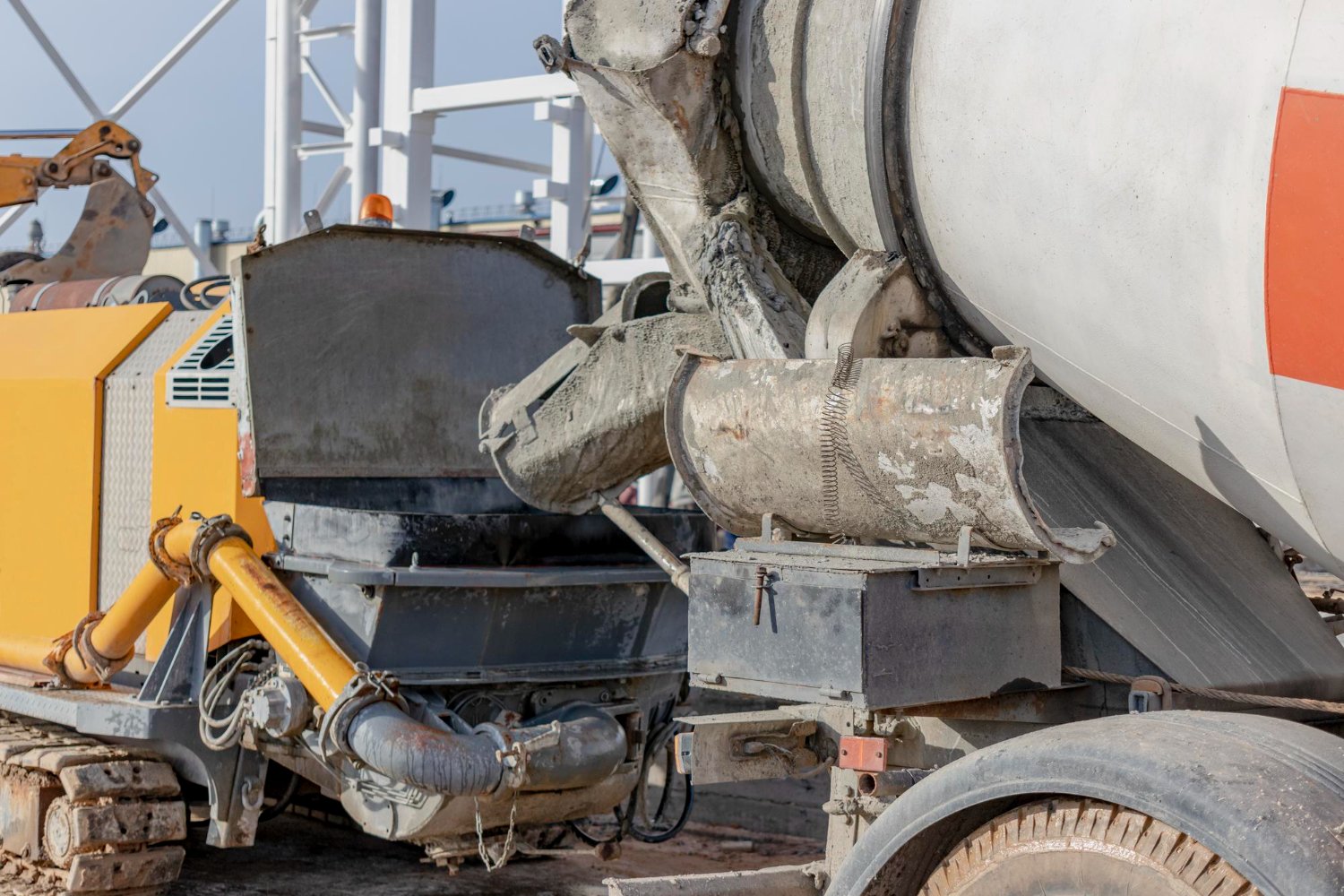
    We specialize in concrete line pumping for exactly these situations, serving residential and commercial clients across Feasterville-Trevose, Pennsylvania. Our trailer pump and line pump services are designed for basements, patios, footers, and areas where direct truck access is impossible.

    Don’t Wait Until You’re Stuck

    Some warning signs are easy to miss when you’re focused on finishing the job. But once pouring gets slow or messy, or small surface issues start creeping in, decision time is around the corner. Planning ahead means you’re not stuck scrambling when the next cold front rolls through or daylight runs short.

    A concrete line pump contractor can often help solve these problems before they stop the job. When we prep right and think through the site layout early, it clears the way for a smoother finish. Staying a step ahead keeps projects moving without the stress of rushing near the end of the season.

    Choose Line Pump Expertise for Fall and Beyond

    When your current setup slows progress or puts extra strain on your crew, rethinking your approach can make all the difference. We’ve seen firsthand how having the right equipment in the right place smooths out tough jobs, especially when time, access, or weather won’t cooperate. For projects that are hard to reach, need to move quicker, or require a tighter path to the pour, working with a concrete line pump contractor keeps your process simple and efficient. At Slump Pump, we assess every site with care to help things flow better from start to finish. When your next pour needs a better setup, give us a call today.

  • Why Concrete Slab Pumping Services Make Cold Weather Installs Easier

    Why Concrete Slab Pumping Services Make Cold Weather Installs Easier

    Cold weather does not wait for anyone, especially when it comes to concrete work. One day the ground is slightly cool, and the next it is frozen solid. That kind of shift adds real challenges, especially when you are laying slabs. Concrete does not like being cold any more than we do. It takes longer to cure, it does not spread as smoothly, and it is harder to work with the colder it gets. That is where concrete slab pumping services can make a big difference. When time is tight and temperatures drop, using a pump can take a tough install and make it a lot quicker, safer, and cleaner. Here is how pumping helps cold-weather jobs stay on track without the added stress.

    Why Cold Weather Slows Down Traditional Concrete Work

    Working outside when it is cold can drag everything out. Concrete reacts to chilly air and cold ground in a few frustrating ways. It does not set as fast, needs more care, and sometimes will not cooperate at all.

    • Cold ground pulls heat out of the mix, slowing the curing process

    • Without any insulation or warming strategies, the slab might not harden evenly

    • Crews may need to stop and prep the space more before work can even begin

    With regular pouring methods, things tend to move slower. You might have to haul mix from one end of the yard to the other, one wheelbarrow at a time. All that back-and-forth opens up time for the concrete to cool down before it ever hits the ground. And when drying is uneven, so is the slab.

    How Concrete Pumping Speeds Up the Process

    The longer concrete sits out in the cold, the more problems it creates. Pumping solves that by putting the material right where it belongs, fast. With a steady flow and less handling, the slab gets poured before the temperature has a chance to mess things up.

    • A pump places the mix quicker and with fewer stops

    • Less handling keeps the mixture warmer and more consistent

    • Crews can focus on smoothing and shaping instead of hauling material

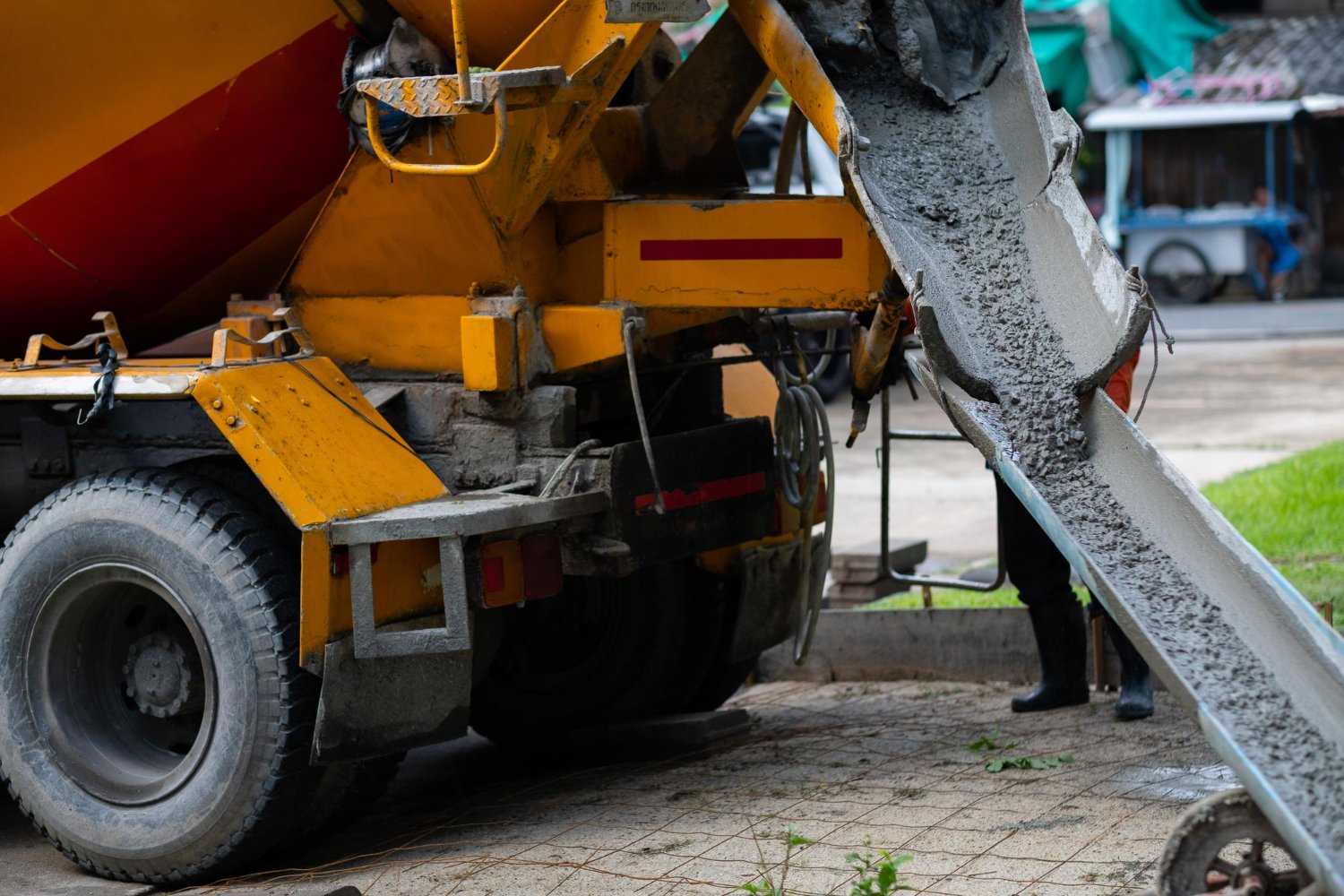
    We use advanced line pump and trailer pump equipment so concrete can be delivered quickly and efficiently to even the most challenging slab locations. When days are short, fast work matters even more. Getting the slab in and done before the sun disappears means better finish times, fewer delays, and less trouble with cold overnight curing.

    Reaching Tight or Hard-to-Access Spaces in the Cold

    Winter conditions do not just make concrete harder to work with. They can also make it harder to reach the spot where you are trying to pour. Frozen paths, muddy slopes, and snowy edges turn small spaces into big headaches.

    • Pump lines can reach over snow piles, across muddy ground, or through narrow yard gaps

    • No digging or reshaping of the landscape is needed to get everything set in place

    • With fewer trips back and forth, the worksite stays cleaner and safer

    One of the biggest savings is not losing time and energy just getting into the area. The pump gives you access, even when the weather says no. We serve both residential and commercial projects throughout Feasterville-Trevose, Pennsylvania, and nearby communities, making it easy to tackle even tight or awkward sites.

    Better Results When Timing Really Matters

    When temperatures fall, do-overs are harder. You want the slab poured, finished, and drying well before frost shows up. Pumping gives you a chance to get better results with fewer missteps. A slow or staggered pour leads to seams or weak spots, which just cause problems later.

    • A smooth pour without gaps makes the slab stronger

    • Quick placement reduces the risk of cold joints

    • Less exposure to open air keeps the top from crusting or cracking too soon

    That is why pumping is such a smart choice on cold days. It minimizes delays and lets us stay focused on the quality of the pour. When you only get one shot, speed and rhythm matter.

    What to Expect from a Cold-Weather Concrete Pumping Service

    When you are planning a slab pour during colder months, it is not just about having the right tools. It is about showing up ready to place concrete under less-than-ideal conditions.

    • Crews bring the right mix setup for chilly weather

    • Gear is prepped with insulated lines and cold-ready equipment

    • The mixer and hose system moves fast, leaving fewer messes behind

    Everything is set up to help speed the job along, even if the weather is not friendly. And when everything moves quickly, the chances of mistakes stay low, even on slick or icy days.

    Cold-Weather Concrete Results You Can Count On

    Cold temperatures do not have to force delays or weak results. With the right process in place, concrete work can move ahead on schedule, slab included. When we use concrete slab pumping services during cold weather, we are not just making it easier. We are laying down a better slab that sets smooth, strong, and on time.

    Working with the cold instead of against it helps the whole job go smoother. From hard-to-reach areas to tight timelines, pumping gives us the control we need over the mix, the pace, and the pour. That steadiness counts double when the weather turns harsh. By planning for those cold conditions and using smart tools, we can keep the job moving and help the finished slab hold up strong no matter the season.

    When cold temperatures make slab work challenging, we are here to help. With the right equipment and expertise, projects stay on schedule and the job site remains efficient, no matter the weather. Relying on our concrete slab pumping services saves you time and keeps progress steady, even during colder months. At Slump Pump, we anticipate seasonal obstacles so you can focus on quality results. Give us a call and let’s keep your project moving forward.

  • Winterizing Your Crawl Space with Professional Concrete Solutions

    Winterizing Your Crawl Space with Professional Concrete Solutions

    When the weather starts cooling down, many homeowners forget about what lies beneath their floors: the crawl space. But during fall, that overlooked part of your home can become a source of trouble if it’s not taken care of properly. Cold air, moisture, and even pests can sneak in through cracks and gaps, eventually leading to mold or damage to your home’s structure.

    Crawl Space Concrete pumping gives you a way to seal off your crawl space in a lasting way. It adds strength while helping to stop moisture and temperature swing issues. If you’ve ever walked into your home on a winter morning and felt a strange cold draft on your feet, there’s a good chance your crawl space insulation or sealing isn’t up to par. That’s where concrete solutions can really make a difference.

    Why Winterizing Your Crawl Space Matters

    An unprotected crawl space during winter isn’t just uncomfortable. It can create real problems. When cold air gets into the crawl space, it doesn’t stay there. It travels up through the floor, making your house colder. That means your heating system has to work harder. And if there’s moisture down there, it can lead to pests or mold, making things worse.

    Concrete is one of the most long-lasting ways to close off the crawl space and keep unwanted problems out. Instead of thin plastic barriers or other materials that degrade over time, concrete creates a solid shield that doesn’t shift or break down with the weather. It also helps keep the humidity level steady, which is especially useful in damp places, where winters can get pretty wet.

    When crawl spaces are left untouched, here’s what tends to happen:

    – Cold air leaks in, which cools down the floors above

    – Moist air builds up, leading to condensation and potential mold

    – Pests like mice or insects find openings to come in

    – The structural integrity of the floor system may weaken over time

    Sealing the crawl space with concrete doesn’t just fix these issues for winter. It lays down a strong base for better year-round protection too. If you’ve had past issues with water sitting in your crawl space or strange odors rising from underneath your house, it might be time to look at what concrete solutions can do for you.

    How To Winterize With Concrete Pumping

    Getting your crawl space ready for concrete pumping isn’t complicated, but it does involve a few key steps to make sure things go smoothly. First, the space has to be cleared out. That means removing old insulation, debris, or anything else that might be in the way. It’s also important to address anything actively leaking or damaged before pouring begins.

    Once cleaned and cleared, the next step is choosing the right type of concrete mix. Not all mixes are made the same. For crawl spaces, the goal is to select one that offers a solid seal but also fits into tighter areas with ease. That’s where professional pumping makes a difference. It lets the concrete flow accurately into the smallest sections without having to tear out big sections of your home.

    The process of crawl space pumping usually involves:

    1. Inspecting the crawl space to assess condition and layout

    2. Prepping the area by clearing debris and blockages

    3. Choosing the correct concrete mix that’s designed for low-clearance areas

    4. Pumping the concrete through specialized hoses to reach tricky spots

    5. Smoothing and leveling out the surface for an even finish

    6. Letting the area cure without disturbances

    Timing matters too. Doing this work in early fall allows the concrete to cure properly before colder nights set in. Safety is also a part of the process. From wearing the right protective equipment to making sure the job is done in a way that keeps the structure and workers safe, every step needs attention. Crawl space concrete pumping isn’t something to guess through. Mistakes can lead to cracks, uneven surfaces, or worse. That’s why it’s better left to the pros.

    Benefits of Professional Concrete Solutions for Crawl Spaces

    While store-bought options or quick patches might seem like enough to get through the cold months, they usually don’t hold up long term. When you seal a crawl space with professionally pumped concrete, the results are far more dependable. You end up with a surface that’s even, sealed, and tightly bonded, one that won’t wash out or shift with seasonal changes.

    Concrete creates a dense barrier that forms a solid, sealed surface, which keeps out moisture and blocks cold air better than loose-fill insulation or temporary foam. Once it sets, it doesn’t wear down easily, even through wet winters or long cold snaps. This kind of work also helps eliminate air gaps and weak points where problems tend to sneak in during winter, where freezing rain and damp conditions are common.

    Beyond keeping out the cold, professional concrete work also helps level and support the crawl space, which can reduce sagging floor areas or weak spots over time. If your crawl space has been a constant source of drafts or smell, this approach can drastically cut down on those issues.

    Here’s how these solutions can offer long-lasting benefits:

    – Helps reduce heating costs by sealing out cold air

    – Cuts down on moisture levels, stopping mold and mildew before they start

    – Blocks pest access points better than soft materials

    – Adds durable support to aging or uneven crawl space floors

    – Lowers upkeep needs over time by preventing common wear and tear

    Cheaper materials might feel like a good choice upfront, but they usually don’t offer the same protection year after year. Professional concrete service builds a clean, tough base that stands up better to weather, moisture, and time.

    Easy Ways to Keep Your Crawl Space in Top Shape

    Once your concrete is down and cured, keeping it in good shape doesn’t take a lot. Just a few quick checks throughout the year can help you spot problems early and avoid major repairs later.

    A good season to inspect your crawl space is early spring. That’s when you can see how the concrete held up through winter and spot any settling or surface changes. By walking the perimeter of the space safely, you can look for cracks, standing water, or signs of animals trying to dig in. If your area sees a lot of rain, summer check-ins are a good idea too.

    Some simple upkeep tips:

    – Keep gutters, downspouts, and drains clear of leaves and buildup

    – Make sure the soil slopes away from your home so water doesn’t sit near the foundation

    – Check for musty smells, soft spots in the floors above, or damp air around vents

    – Look for hairline cracks or chipped areas during each inspection

    – Set a reminder to check your crawl space twice a year

    If you notice cold floors, new drafts, or changes in air quality inside your home, those could be early signs something’s shifting below. Sometimes the change is subtle, like a slight squeak in a floorboard or a faint damp smell. One homeowner caught a problem early after they noticed their floors were cooler than usual, even with the heat running. Turns out, a portion of their exterior drainpipe had clogged, and water was slowly seeping toward their crawl space. Clearing the blockage and reinspecting the concrete stopped it from turning into a bigger headache.

    Like any part of the home, crawl spaces don’t need constant attention but they do benefit from seasonal check-ins. Taking a few minutes to walk through or look underneath your house can prevent moisture from building up, pests from creeping in, and concrete from developing unnoticed damage. Doing so keeps your home stronger, longer.

    If you’re looking to prevent moisture problems this fall and improve airflow under your home, crawl space concrete pumping is one smart way to do it. Learn how this service can make a difference and schedule with the team at Slump Pump by checking out our crawl space concrete pumping services today.

  • Professional Tips for Successful Large-Scale Concrete Projects

    Professional Tips for Successful Large-Scale Concrete Projects

    Large-scale concrete projects are never simple. Whether it’s a commercial foundation, a long retaining wall, or a large slab for a warehouse, things have to move smoothly to stay on track. These jobs usually involve tight deadlines, heavy logistics, and a lot of coordination between teams. Mistakes early on can lead to major delays, extra costs, and even structural problems down the line.

    The good news is that strong planning and the right process can help avoid many of those problems. From picking the right concrete mix to knowing when to bring in specialized help like commercial concrete pumping, smart decisions early on can set the stage for a successful project. If you’re working on a site in Southampton or managing multiple teams, getting it right from the start makes the whole job go easier.

    Planning And Preparation for large-scale concrete projects

    Kicking things off with a clear plan will save time, money, and headaches. Before the concrete even arrives, it’s important to fully understand your site setup and know what challenges you might face. Sloped ground, limited space for trucks, or nearby buildings can all change how concrete gets placed.

    Here’s what to focus on during that prep stage:

    – Walk the job site and take note of difficult areas or access points

    – Set a clear timeline that allows room for unexpected weather or delivery changes

    – Choose staging areas for your materials and equipment to avoid chaos when trucks arrive

    – Make sure your forms and rebar are checked, secure, and ready for pouring

    You’ll also want to connect early with engineers, architects, or anyone overseeing structural design. Confirm that the concrete specs match up with load requirements before pouring begins. A small misstep in those early conversations can snowball into major delays, especially on commercial sites where fire codes, drainage rules, or zoning guidelines might come into play.

    Lastly, don’t assume your local weather won’t have an impact. While early fall in Southampton often brings good pouring conditions, a few rainy days can throw off a tightly scheduled pour. Always build in buffer time. The more you prepare beforehand, the fewer site surprises you’ll have to deal with when trucks start rolling in.

    Choosing The Right Concrete Mix

    Not all concrete is the same. For smaller pours, you might get away with basic ready-mix concrete. But on commercial jobs—where strength, durability, and timing matter—you’ll need something more thought-out.

    Choosing the right mix depends on a few key things:

    1. Project Scale And Load Needs

    If you’re working on a large slab that will hold heavy machinery or constant traffic, a higher-strength formula is usually needed. Residential sidewalks and commercial flooring don’t need the same specs.

    2. Pour Location And Temperature

    Fall in Southampton can range from sunny and mild to cooler damp days. These shifts can affect setting times. You may need a mix that sets quicker or includes accelerating admixtures to help things cure evenly.

    3. Additives (Admixtures)

    Concrete admixtures can do a lot. They can extend workability, speed up setting, resist water damage, and even reduce cracking later on. Picking the right combo makes a big difference for how your concrete performs during and after the pour.

    One example: If you’re pouring a slab for a commercial garage in late September, you might deal with cool mornings and warmer afternoons. A concrete mix with a hydration control agent could help keep the setting time steady from start to finish, even with the temperature swings.

    Before locking in your mix, talk things through with your batch plant and engineer. Let them know what the project involves and get their input on what mix can hold up and still meet your timeline. It’s a step that too many people rush through, but it can change how your concrete performs and how long it lasts.

    Efficient Concrete Pumping

    Large-scale commercial pours can quickly fall off schedule if the concrete doesn’t get where it needs to be in time. That’s where commercial concrete pumping in Southampton becomes the better choice over traditional methods. It’s faster, more accurate, and helps you keep the pour clean and steady.

    Here are a few tips to get the most out of your pumping setup:

    – Pick the right pump for the job. Line pumps are great for smaller spaces or tighter setups. Boom pumps work better when the pour needs to cover long stretches or elevated forms.

    – Double-check the concrete mix against your pump type. Some mixes are too coarse or too dry, which can clog lines or cause delays mid-pour.

    – Always walk through the hose path beforehand. Remove anything that might block access or pose a risk to workers nearby.

    – Keep a crew member stationed at both the pump and pour area. Constant communication keeps everything moving and allows for quick corrections.

    Timing matters too. Make sure your crew is in position before the first load arrives. If there’s a long wait or heavy traffic in town, schedule your delivery earlier in the day to avoid delays that might affect concrete quality. When a pump is running, keep the rhythm going. Stop-and-go flow changes how the concrete settles, which might lead to uneven curing or surface issues.

    Efficient pumping keeps a large jobsite running like clockwork, from tight corners on multi-story builds to long span warehouse slabs. When done right, it cuts down labor, saves time, and keeps the entire crew on task.

    Quality Control And Safety Measures

    Even with good prep and strong mixing, quality control can’t take a back seat. During a large-scale concrete job, there are a lot of small steps where things can slip. Staying on top of checks before, during, and after each pour helps catch problems early and keep the structure solid from base to finish.

    Here are a few key quality measures worth setting in place:

    – Watch the weather forecast throughout the day. Fall in Southampton can change fast, so small conditions like winds or surprise rain can impact curing.

    – Test your mix on-site before pouring a full batch. Don’t rely just on what was sent from the plant.

    – Check slump, air content, and temperature regularly, especially during long pours or changing weather conditions.

    On the safety side, keep the site organized. Place safety signs around pump areas, slab edges, and rebar zones. Crew members should wear protective gear at all times. Having a foreman or lead crew member oversee safety from start to finish avoids gaps in awareness.

    Spot checks are also helpful. Someone not directly involved in pouring should circle back and inspect forms, bracing, and nearby obstacles from a fresh angle. That second set of eyes often catches little things the main crew might overlook.

    When both quality control and site safety are taken seriously, your project runs cleaner and smoother. The finish will look better, and you won’t have to backtrack later on repairs or inspections that could have been avoided.

    The Road to Project Success

    Every large-scale concrete job shares one truth: the details matter. From choosing the right mix to planning your site and using the best tools for the job, each decision builds on the one before. Waiting until pour day to figure out pumping routes or site flow only adds pressure. Laying the groundwork early makes the rest of the process easier to manage.

    Commercial concrete pumping, smart planning, and close collaboration with professionals all play a part in keeping large jobs on track and safe. Better planning up front takes away the guesswork and turns a complex project into one that simply works. When each stage is done well, the rest tends to fall into place.

    Ensure your large-scale concrete projects in Southampton stay on schedule with help from our commercial concrete pumping team. At Slump Pump, we’re ready to handle tough access points, tight timelines, and complex pours so you can keep your build moving without delays. Let us know how we can make your next project smoother from the ground up.

  • Top 5 Questions About Small-Scale Concrete Pumping Projects

    Top 5 Questions About Small-Scale Concrete Pumping Projects

    When it comes to small construction projects like patios, walkways, or footers, many homeowners and builders in Southampton are turning to concrete pumping. It might seem like overkill for a small job, but it actually makes the entire process faster, cleaner, and a lot less stressful. With less mess and more control over where the concrete goes, it’s becoming a go-to choice for small sites that still need precision and solid results.

    Affordable concrete pumping lets projects move along without needing large crews or lots of manual labor. In a place like Southampton, where space on some properties can be tight and weather shifts can impact a schedule fast, keeping things smooth and efficient makes a big difference. Whether you’re planning something for a private backyard or doing smaller commercial slab work, there’s a good chance pumping might be the smarter route.

    What Is Small-Scale Concrete Pumping?

    Small-scale concrete pumping is used for jobs that don’t take a huge amount of concrete but still need accuracy, speed, and clean results. Instead of hauling wheelbarrows back and forth or dealing with shaky pours from a chute, a pump pushes the concrete exactly where it’s needed through a hose. That hose can reach tight corners, long distances, or even locations with limited access, like narrow alleys or fenced-in spaces.

    This approach works well for things like:

    1. Residential patios or garden slabs

    2. Short driveways or extensions

    3. Basement floor refills

    4. Detached garage foundations

    5. Pool decks or outdoor kitchen bases

    For example, say a homeowner in Southampton wants to refinish their side patio. The area is squeezed between a fence and the house, and a truck can’t back in. This is where small-scale pumping comes in handy. The hose gets threaded through the gate, and the concrete flows right to where it’s needed with no heavy lifting and no damage to landscaping.

    These kinds of projects don’t call for massive equipment or full crews, but they still benefit from the accuracy and speed of pumping. It’s a service built for jobs that are too big for hand-mixing but don’t need full-on commercial crews.

    How Affordable Concrete Pumping Saves You Money

    Spending less often comes down to working smarter, not just using cheaper materials. With affordable concrete pumping, the value comes from a mix of saved time, fewer labor needs, and reduced waste. Pouring by hand or direct chute runs the risk of spills, mistakes, and extra work smoothing out an uneven finish. That all adds up in labor hours, material overages, and even rework costs.

    Pumping gets the concrete moving quickly and right onto the target spot, which means:

    – Less waste from spills

    – Faster pours to reduce crew time

    – Fewer people needed on site

    – Cleaner finish with easier shaping and leveling

    – Better ability to stay ahead of weather changes

    Pouring a small slab the traditional way might take a whole day if the site’s hard to reach or the crew is small. With a pump, that same slab could be poured and finished in less than half the time, depending on the site. Less time means fewer hours on the clock, which adds up to real savings by the end of the job. When you look at the bigger picture, the upfront cost of hiring a pump often ends up being the more affordable route.

    Choosing The Right Equipment For Small Projects

    Picking the right pump is one of the key steps in making a small-scale concrete job run smoothly. Not every machine fits every job. For smaller pours, you don’t need the kind of heavy-duty gear you’d see on a big construction site. You’ll want equipment that matches the size and setting of your job without overcomplicating things.

    There are two main types of pumps often used for these kinds of projects:

    – Line pumps: These are great when space is tight. They run hoses along the ground and are easier to maneuver into hard-to-reach places. Most small driveway pours, patios, and backyard fixes can be handled well with a line pump.

    – Trailer pumps: These are mounted on a trailer and pulled by a truck. They can move concrete long distances and work well for slightly larger small-to-medium projects like basement floors or detached garages.

    Let’s say you’re pouring a walkway that curves around the side of a home in Southampton. Space is limited, and there’s some landscaping that needs to be left untouched. A line pump allows for flexible hose placement, so you can get the concrete right where it belongs without tearing up the yard or driveway. It saves time and helps avoid the extra costs of cleaning up damage from using the wrong setup.

    Picking the correct pump keeps the job moving. It makes sure the concrete flows at the right pace, gets placed exactly where it’s needed, and doesn’t dry too fast or too slow due to delays or rework. For any small project, matching the scale to the equipment keeps things simple and on track.

    Ensuring a Smooth Process From Start To Finish

    No matter the size of the project, a little planning ahead goes a long way. Having everything ready before the truck and pump roll in makes the pour go quicker and avoids a lot of stress. A clean, prepared site means fewer delays and fewer surprises once the concrete starts flowing.

    Here are a few ways to make sure things stay on schedule and run well:

    1. Clear the space where the concrete will be pumped, removing debris, tools, and anything that might block the hose

    2. Make sure there is a safe path for setup, especially through gates, walkways, or tight areas

    3. Confirm where the truck will park and how close it can get to the pump location

    4. Let neighbors know ahead of time if their access might be temporarily blocked

    5. Check the weather and reschedule or cover the work area if needed

    6. Talk with the crew about mix amounts, timing, and any project notes

    Communication is just as important as the gear. A quick run-through with the operator before the pour starts clears up any questions about where the concrete should go, how thick it should be, or if there are any tricky corners or slopes to work around.

    Also, don’t forget to have the right tools standing by once the concrete is down. Things like a bull float, edger, and broom come in handy if you’re going with a textured or brushed finish. Timing is everything with concrete work. Getting these details lined up ahead of time helps avoid last-minute scrambles.

    Avoiding Common Pitfalls in Small-Scale Pumping

    Small jobs may seem simpler, but they’re still open to mistakes that can cost time and money. Misjudging the concrete amount, using the wrong pump, or struggling with setup delays are all common issues that can turn a short job into a frustrating one.

    Here are some of the most common mistakes and how to dodge them:

    – Underestimating the space needed for the pump and hose layout

    – Ordering too little concrete and running short halfway through

    – Leaving the concrete too long before smoothing it out

    – Not securing edge forms, especially on slopes

    – Overlooking weather forecasts when planning the pour

    Doing a quick walk-through a few days before can help prevent these problems. Make sure everything from access to curing methods is covered. For instance, if you’re pouring a foundation slab on a day that might hit a heatwave, you’ll want to have water or covering materials ready to help it cure evenly without drying too fast.

    Hiring experienced crews who understand how to work around real-world conditions and tools helps avoid these hiccups. It creates a smoother, more predictable outcome.

    Getting Started with Affordable Concrete Pumping in Southampton

    Even small-scale concrete jobs bring their own set of choices and challenges. From selecting the right pump to getting your backyard or sidewalk ready before the pour, every piece plays a role in how smooth the job goes. It may not be a major build, but it still deserves real planning and the right tools.

    If you’re in Southampton and working on any tight-access space or hard-to-reach job, small-scale concrete pumping might be exactly what you need. It offers smoother pours, cleaner results, and safer working conditions. Combine all of that with savings on time and labor, and it becomes a pretty clear choice.

    Whether you’re adding a new patio, resetting a garage floor, or fixing up a walkway, thinking ahead and calling in support can help you get it done without all the guesswork. With the right crew, the right equipment, and a little prep, your next small concrete project can go off without a hitch. Concrete pumping takes the pressure off your back and puts it where it belongs—on the hose.

    For homeowners in Southampton planning small-scale concrete work this season, looking into affordable concrete pumping can make a big difference. Whether it’s a patio, a sidewalk pour, or a tight crawl space, Slump Pump delivers a smoother, faster, and cleaner way to get the job done right the first time.

  • Best Practices for Concrete Line Pump Setup and Operation

    Best Practices for Concrete Line Pump Setup and Operation

    When you’re working on a concrete pour in Southampton, a smooth and clean setup is one of the most important things to get right. If your line pump isn’t positioned right or the hoses aren’t connected properly, you’re opening the door to flow problems, wasted material, or even safety issues that could slow everything down. A reliable setup isn’t just about routine. It’s what keeps your job moving without hiccups.

    September is a busy month for construction around here. The weather’s still warm enough for concrete work, but early signs of fall make timing more sensitive. That’s why getting your concrete line pump set up and running the right way matters even more. Small preparation steps can help you avoid common problems on site like mix blowouts, clogs, or damaged lines. Whether it’s a basement pour, a patio, or a longer run to a back lot, you need to be sure everything’s locked down tight before hitting the switch.

    Pre-Setup Checklist

    Prepping a line pump shouldn’t be rushed. Taking ten minutes to run through a solid checklist can save you hours of clean-up or problem-solving later on. This is especially true in early fall. September weather in Southampton can shift quickly, and one small thing out of place could cause the pump to misfire or materials to set too fast.

    Here’s a breakdown of what to check before you even power up the line pump:

    1. Inspect the entire pump for wear and leaks, especially around the seals and housing.

    2. Check the chute, hopper, and valves for any leftover mix or buildup from your last job.

    3. Make sure all hoses are free of cracks or soft spots, and that all clamps are clean and working properly.

    4. Keep a pressure gauge on hand and confirm your backup equipment is nearby if needed.

    5. Confirm your job site is clear of obstacles that might tangle hoses or block vehicle access.

    6. Walk the line route and plan for safe hose placement that avoids high-traffic or uneven ground.

    7. Look up the weather forecast. Rain, extreme heat, or sudden cold snaps can change how your equipment and mix behave.

    8. Gather safety gear like gloves, hard hats, high visibility vests, and boots with solid grip.

    9. Have an emergency shut-off plan and make sure everyone on site knows how to use it.

    People often overlook things like leftover slurry or small cracks in the hose. But those tiny issues can cost you big if a line bursts during a pour. Taking a bit of time upfront lets you get into the job with way fewer surprises.

    Setting Up the Concrete Line Pump

    Once you’ve finished checking your gear and the job site, setting up the pump comes next. Placement, ground support, and connection details all play a role in how efficiently and safely your pump will run from start to finish.

    Start with the pump’s positioning. Put it on flat, solid ground. Gravel or compacted dirt works best. Avoid placing the unit on soft soil or uneven surfaces, especially if it rained the night before. Use stabilizers if your trailer pump starts to rock or shift during setup. Make sure the hopper is placed where the concrete truck can back in easily and dump straight in.

    Next, unroll and lay out your hoses. Begin at the outlet of the pump and work your way toward the pour site. This helps you make sure the length is correct and doesn’t end up with tangled sections. Keep turns and kinks to a minimum to reduce pressure loss. Wherever possible, keep the hoses supported off the ground or cushioned if crossing sharp edges. All clamps should face the same direction and be snug, but not overtightened.

    Always take a quick pause before turning on the pump. Take a slow walk around the entire setup, checking each joint, connection, and hose path. If something looks even slightly off, fix it before starting. That one last check can be the difference between a good pour and one that ends early with blocked lines.

    Connection problems and bad placement are two of the biggest setup issues. For example, if the pump outlet is aimed downhill without proper hose support, gravity can pull the mix too fast and cause a surge. Stabilizing those early connections helps keep the pumping process steady through the whole job.

    Operating the Concrete Line Pump

    Once everything is in place and secure, it’s time to start pumping. Starting the pump right sets the tone for the rest of the pour. Rushing this part or skipping a step increases the chance of flow issues or line blockages. You want the mix moving smoothly from the hopper to the pour point without breaking up along the way.

    Start by filling the hopper with a small amount of concrete, then slowly power up the pump. Don’t rush. A gradual ramp-up lets any air pockets in the line move out gently and reduces pressure spikes. Listen for odd sounds like rattling or knocking. Watch the hoses for unexpected shaking or stiff spots. These early signs usually point to mix or hose path issues.

    While pumping, always check the flow at the discharge point. If the output starts pulsing or surging, ease off the throttle and check the line. You might need to reverse the pump briefly to clear a partial blockage. Use slow, steady movements and rely on hand signals or two-way radios to stay in sync with your team.

    Never let the hopper go dry. Air in the system can cause separation or clogs down the line. Keep someone at the hopper during the pour to top it off as needed and skim off any debris. Stuff like chunked mix or stones can throw off pressure and slow the job down.

    Long runs especially need attention. Late summer in Southampton can still bring hot days, and that heat makes mix thicken quicker inside the hose. Even during short pauses, try to keep the mix moving gently. Sitting concrete is tougher to work with than a slow-moving line.

    Staying Safe During Pump Operation

    Safe setups protect your team and your timeline. Everyone near the pump needs to be trained and ready, not just the operator. A clear safety plan helps reduce confusion and risks tied to concrete line pumping.

    Key practices to follow:

    1. Always wear protective gear: hard hat, gloves, durable boots, and high visibility vests.

    2. Stay away from hose ends when flow is paused or starting up. Pressure can snap back fast.

    3. Keep walkways and pump zones clear. Only active crew members should be near the line.

    4. Assign spotters when dragging hoses, especially around blind corners or slopes.

    5. Pad sharp edges if hoses rest on them. Friction damage can cause leaks fast.

    6. Agree on hand signals or use radios in case loud equipment blocks hearing.

    7. Be ready to shut off the pump immediately if something seems wrong.

    8. Always release pressure before disconnecting hoses or fittings.

    Emergencies can happen without warning. A hose burst or sudden pump stop doesn’t have to turn into a crisis if your team knows the drill. Checklists and safety walk-throughs at the start of the day are small steps that make a big difference if things go sideways.

    Don’t ease up once the pour is done either. Clean-up carries risks too, especially if pressure lines aren’t fully bled or if hoses are yanked off too quickly. Good habits before, during, and after a job add up to safer finishes and smoother jobs overall.

    Keeping Your Equipment in Top Shape

    Regular upkeep is what keeps your line pump working all season with fewer breakdowns. Treat your pump like any other piece of heavy equipment. Put off maintenance, and you’re asking for trouble mid-job.

    After every use, flush the pump and lines completely. Use water and a cleaning ball to push out leftover slurry. Keep going until the outflow runs clean. Scrub down the hopper, chute, and valve areas. Hardened mix in these spots can cause damage next time.

    You should also check and maintain parts regularly:

    – Grease all moving areas every week

    – Look over hoses and clamps often for wear

    – Replace oil and hydraulic filters as recommended

    – Swap out seals, rings, and wear plates at the first sign of damage

    – Test all controls before every job

    Track issues in a logbook. Jot down anything strange that happens during use. A sticky control or leaking seal might not seem big now but could lead to bigger problems next week. Logging this stuff helps fix small issues before they grow.

    A healthy pump makes the job easier for everyone. If the equipment works the way it should, the crew knows things will go smoother, and that helps the job from start to finish.

    Keep Your Concrete Pours Running Smoothly in Southampton

    Every pour has its challenges, but line pump jobs during late summer in Southampton can go quicker and cleaner with extra care upfront. Checking gear, planning the line, and adjusting for weather conditions are all small efforts that help avoid hours of cleanup or rework.

    Smooth operation takes focus. Start slow, watch the mix, and keep up with communication to make sure your crew stays ahead of any problems. Safety steps and simple prep routines help cut down wasted time and protect your team.

    If your pump setup and maintenance stay consistent from job to job, you won’t have to play catch-up when the unexpected happens. That kind of reliability leads to fewer delays and better finishes every time.

    If you’re ready to tackle your next project with precision and efficiency, see how a concrete line pump can help streamline the job from start to finish in Southampton. Let Slump Pump deliver the dependable pumping solutions you need to keep your worksite running smoothly. Contact us today to learn more about how we can support your next pour.