

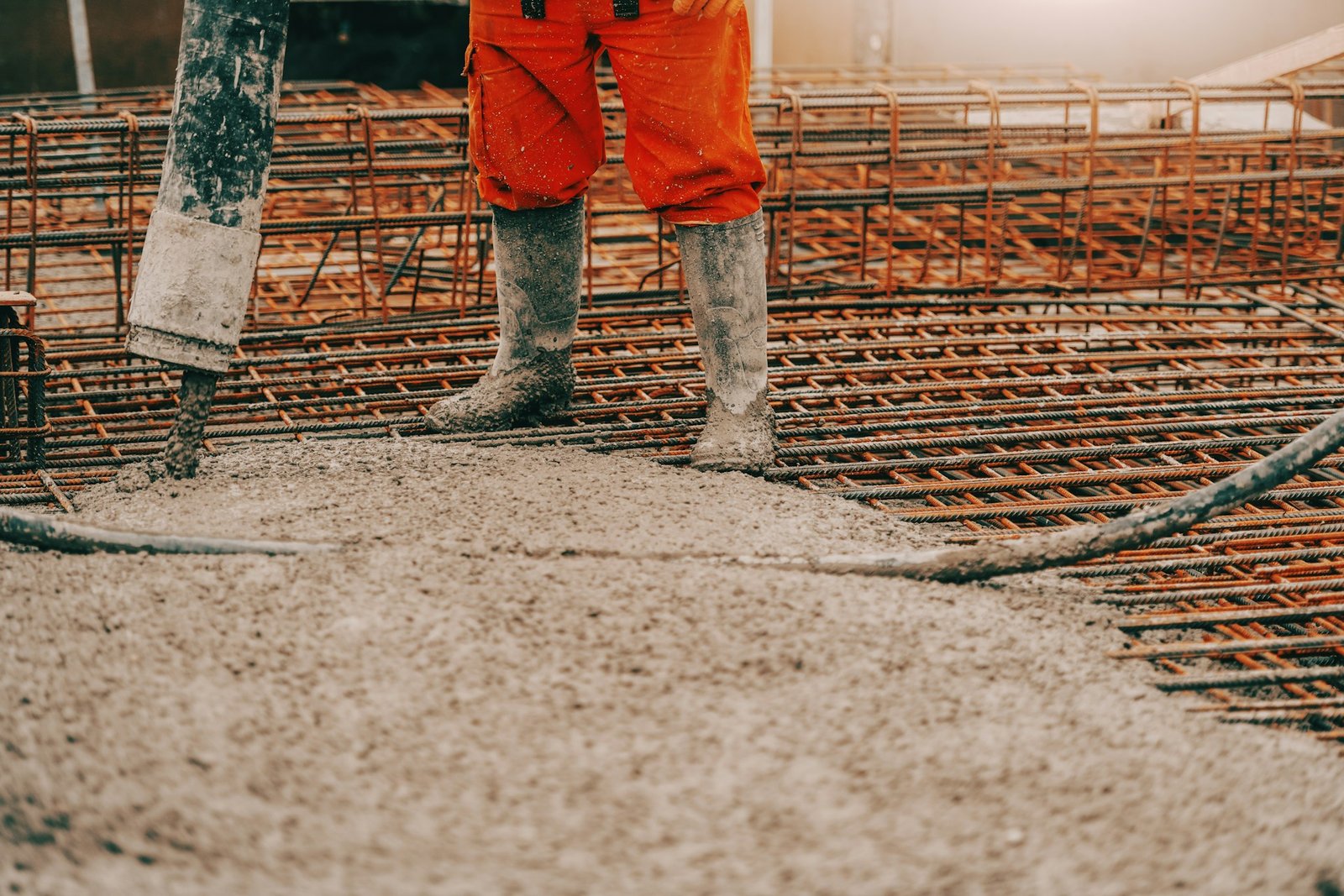
Cold weather changes everything on a job site, especially when concrete is involved. Once winter settles in, crews face shorter days, frozen ground, and constant weather shifts. That all adds up to one thing, delays.
Waiting for a stretch of good weather or the right delivery window can drag simple projects out by days or even weeks. We’ve learned to look ahead before the cold settles in, and that’s where affordable concrete pumping often makes a difference. It helps keep our schedules steady by moving concrete fast and cutting down on time we’d usually waste hauling mix by hand.
Let’s take a closer look at how those delays happen and where pumping fits into the solution.
Why Concrete Pours Get Delayed in Winter
Winter doesn’t give much room to adjust. Often the ground is frozen when we show up, and if it’s icy, even walking the site becomes a slow process. That means we’re spending extra time preparing the area before a single drop of mix gets poured.
The sun sets earlier too, and we can’t count on full workdays like in warmer months. In colder weather, we’re usually racing the clock to finish before temps drop again. Starting late or pushing too far into the evening is risky, especially for concrete that hasn’t set yet.
Another problem is last-minute weather changes. Just when we think we’re good to go, a sudden drop in temperature or a surprise snow flurry can push back a scheduled pour. That leaves us calling for another delivery, resetting forms, or shuffling the whole week’s timeline.
How Pumping Methods Affect Pouring Speed
We’ve worked both ways, moving mix by hand or wheelbarrow, and using pumps. There’s no question that traditional methods take longer. On a tight job site or one where we have to pour in the back corner, it could mean hours of back and forth.
With concrete pumping, we get the mix to the exact spot faster. It’s all about reach. We can run lines over fences, through narrow walkways, or even down slopes where regular trucks can’t go. That saves back strain, but more importantly, it saves time.
Line pumps and trailer pumps help us move mix without delay across rough or frozen ground. They keep the job flowing so we don’t lose daylight or face extra setup work. When it gets cold, every saved minute counts.
Slump Pump’s line pump can deliver concrete up to 250 feet from the truck, ideal for tough layouts in Pennsylvania’s winter months.
When Affordable Concrete Pumping Helps the Most
Some pours are just harder than others, tight driveways, steep grade yards, small back patios. These often need custom setups that eat into precious time. That’s where affordable concrete pumping really helps. It lets us focus on the pour instead of hauling buckets or building ramps.
We also see a big difference on jobs that need the mix placed quickly. When the temperature hovers near freezing, we want concrete down and shaped before conditions turn. Pumping helps us do that without rushing or cutting corners.
Projects with strict schedules benefit too. Winter doesn’t offer much flexibility, so delays on one job can stack up quickly. By using affordable concrete pumping, we save time at each step and stay closer to timelines that would otherwise fall apart in winter weather.
Our services cover both residential and commercial projects, handling basement slabs, patios, and walkways with setups customized for winter conditions.
What Crews Still Need to Plan Around in Cold Conditions
Pumping helps, but it’s not the whole solution. Proper planning still plays a big role in pouring safely and successfully in cold months.
• We make sure the area’s ready before the pump arrives, cleared, level, and not too slick with frost.
• Concrete needs to be protected after pouring so it doesn’t freeze before it sets. That might mean using blankets, covers, or heaters depending on the job.
• Our pumping equipment needs more attention too. Cold weather can cause hoses to stiffen or blockages to form. We clean and prep everything carefully, and we don’t skip even small checks.
Taking these small steps means we don’t lose time fixing a problem we could have avoided at the start.
Choosing Smarter Timing for Winter Projects
We’ve learned to aim for pour times that match up with the day’s warmest stretch. That’s usually late morning to early afternoon. It gives the concrete time to cure properly before things get cold again in the evening.
Starting too early or too late can mean rushing or needing extra tools to keep the surface warm. Picking the right window helps avoid both. That’s why we work with clients upfront to time jobs right, instead of pushing things through just to stay on schedule.
Having the right tools, like a trailer pump or line pump ready to go, allows us to start strong and finish steady, even when the weather’s not ideal.
Less Waiting, Better Results
Pours in winter are always going to be tougher than in warmer months. But they don’t have to be unpredictable. When we plan ahead, choose better timing, and use tools that speed things up, we cut back on delays that used to slow us down.
Affordable concrete pumping plays a big part in that. It gets the mix where it needs to be fast, which keeps things moving. With the right prep and the right tools, we’re better able to stay on track, no matter how cold the forecast gets. That means better results, fewer slowdowns, and smoother projects, even in the middle of winter.
Staying ahead of winter delays takes the right equipment and planning. At Slump Pump, we know how unpredictable cold weather can be and have helped many projects stay on schedule with smart timing and support from our affordable concrete pumping. Let’s discuss how we can keep your project moving, no matter the temperature.