Category: Concrete Line Pump

  • Understanding the Role of Concrete Pumping Companies

    Understanding the Role of Concrete Pumping Companies

    Pouring concrete takes more than just mixing and dumping. Getting the concrete from the truck into the right spot on the job site is its own job entirely. That’s where concrete pumping companies come in. They bring the tools and experience to move concrete through hoses or pipes, making the pour happen quickly and clearly.

    Without the right setup, the work gets hard fast. Carrying heavy buckets or rolling full wheelbarrows back and forth takes too long and wears workers down. A good concrete pumping crew can speed everything up, solving space problems and cutting back on delays. If you’ve ever faced a concrete job that needed to move faster or felt too messy to manage, this kind of support changes everything.

    What a Concrete Pumping Company Actually Does

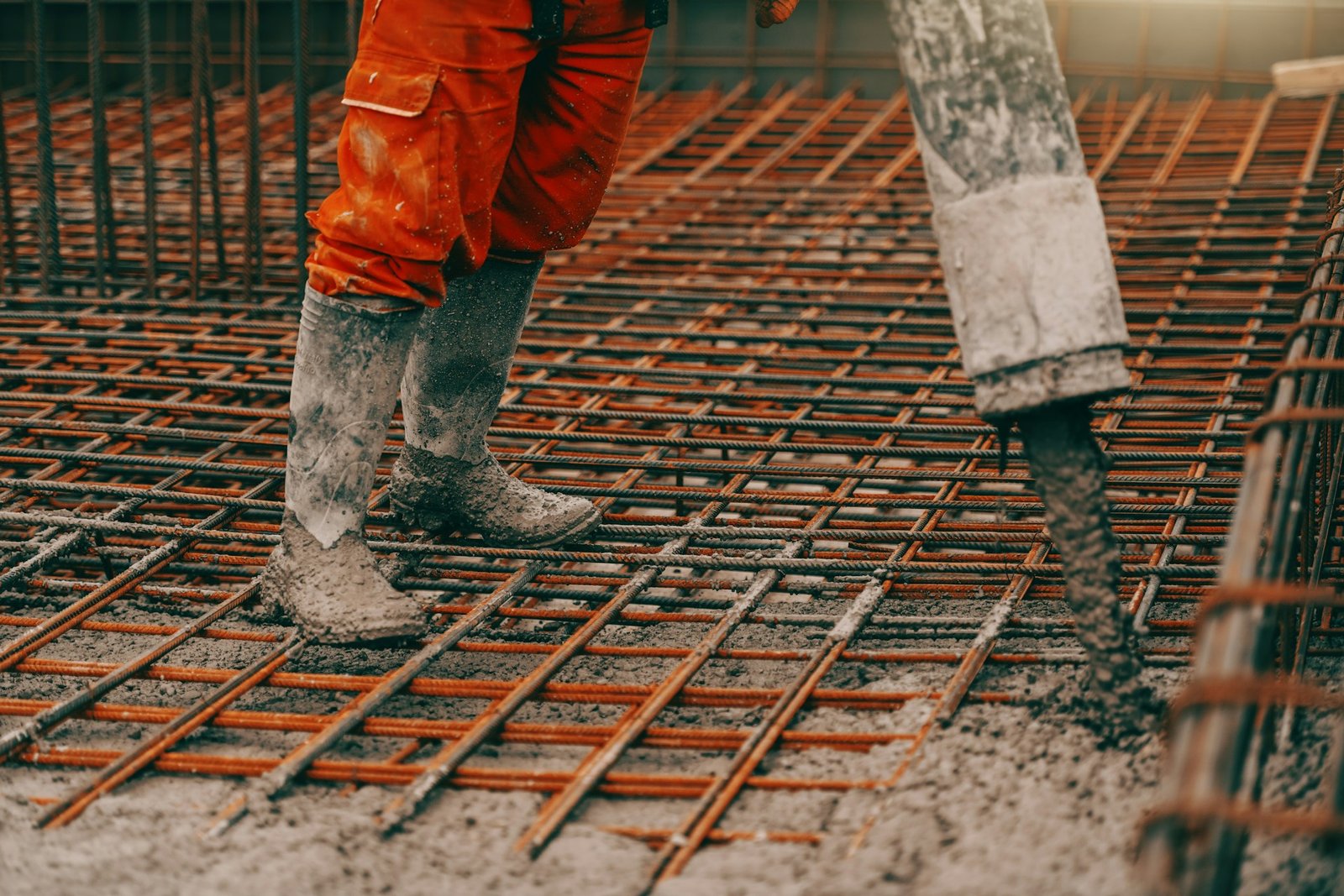
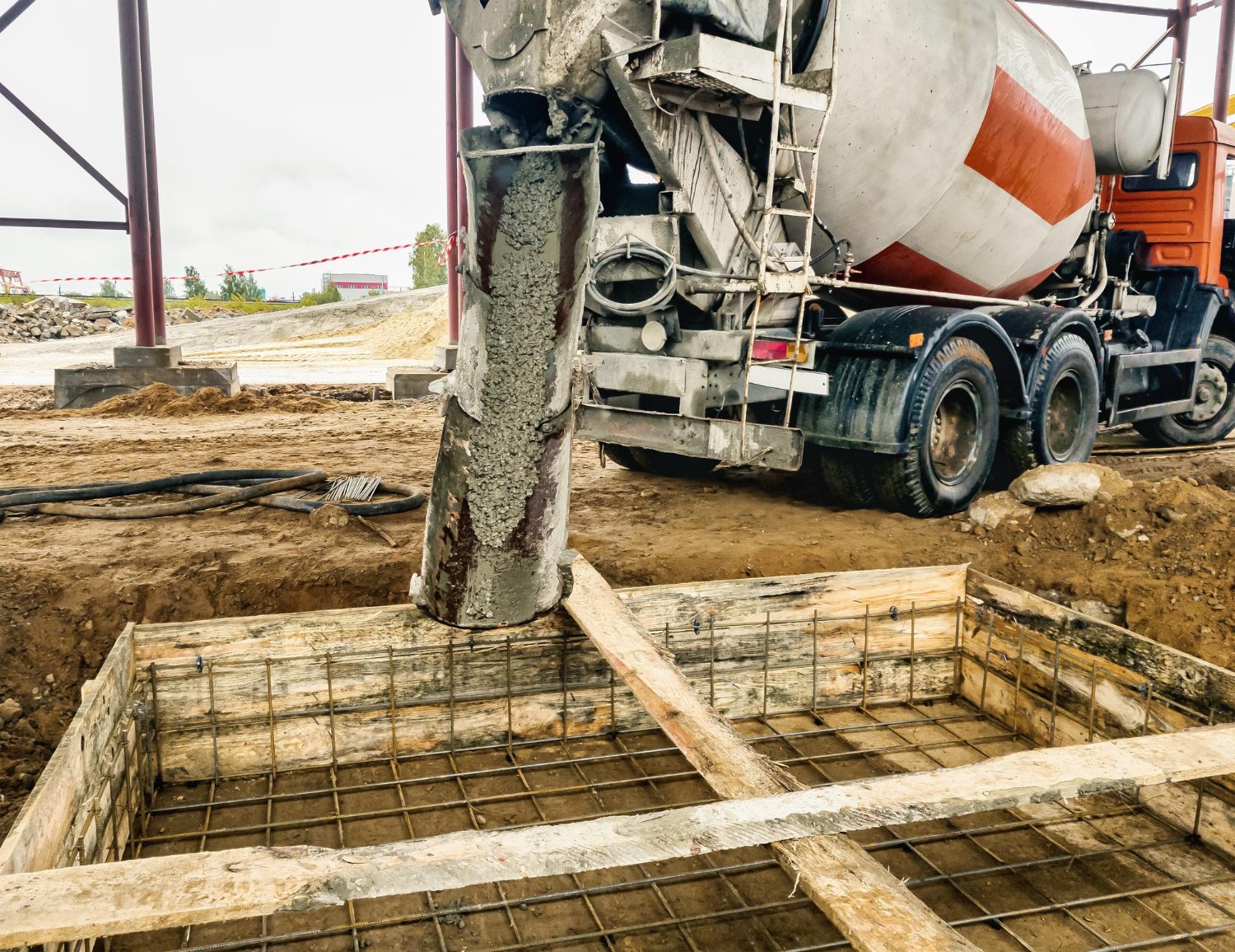
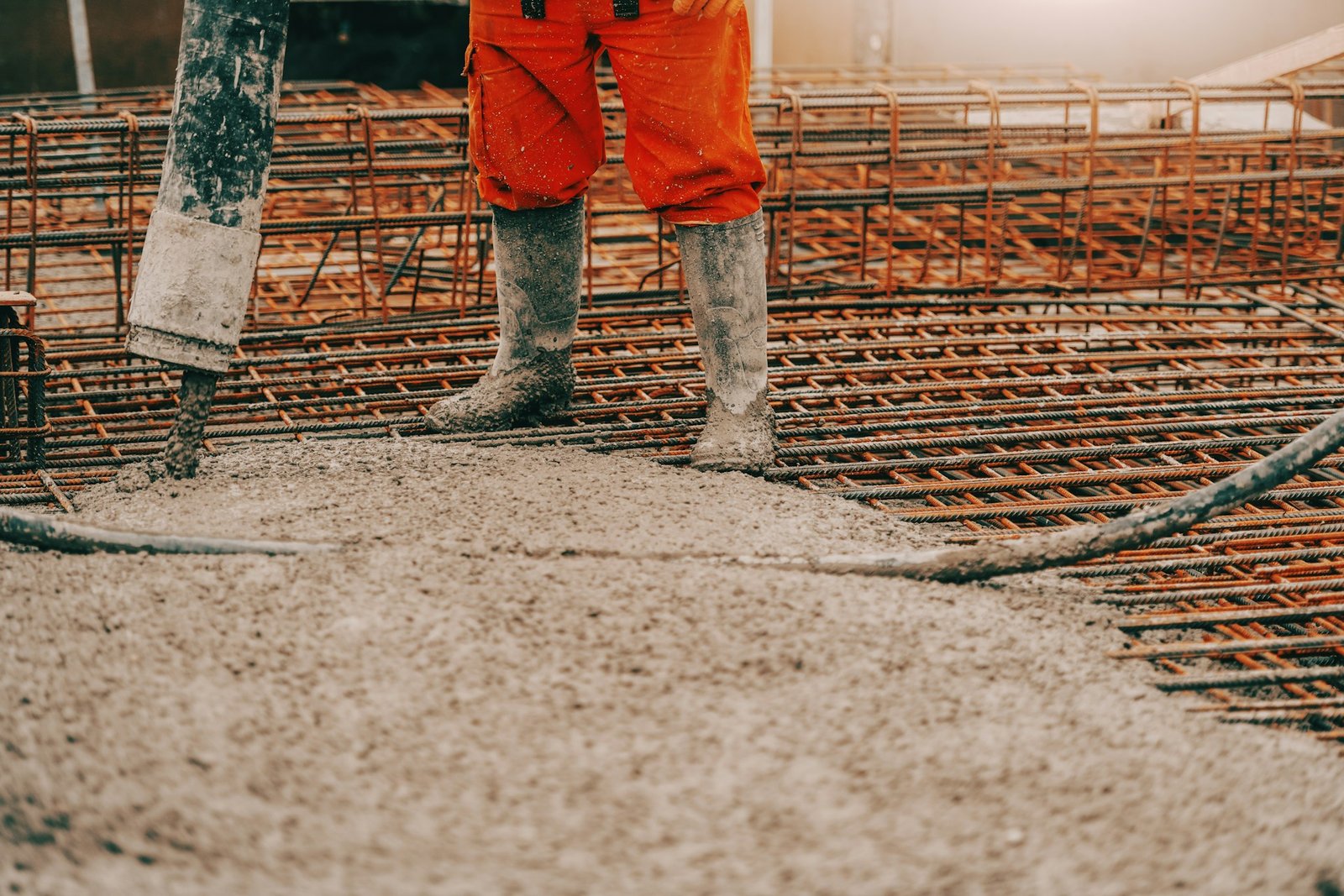
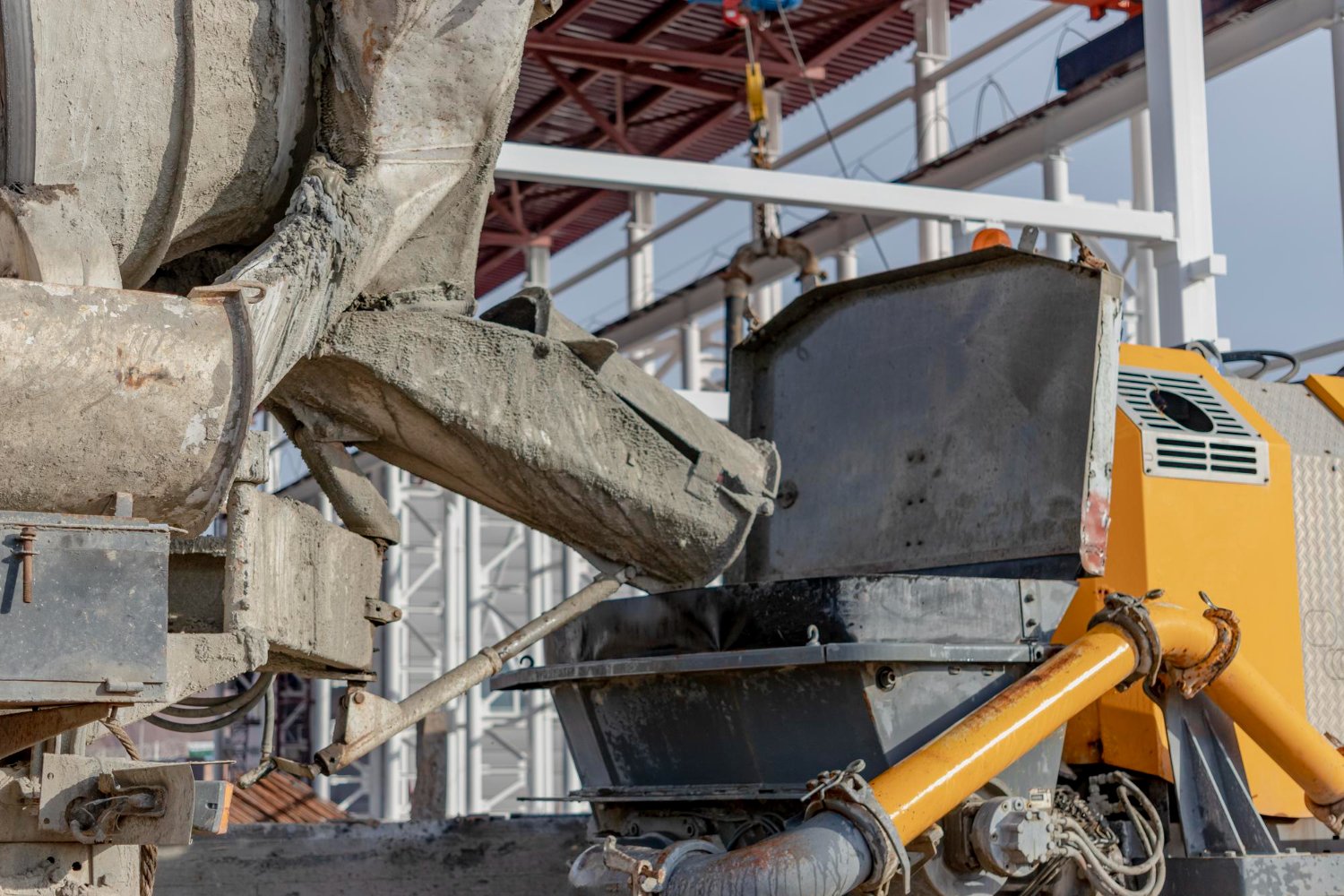
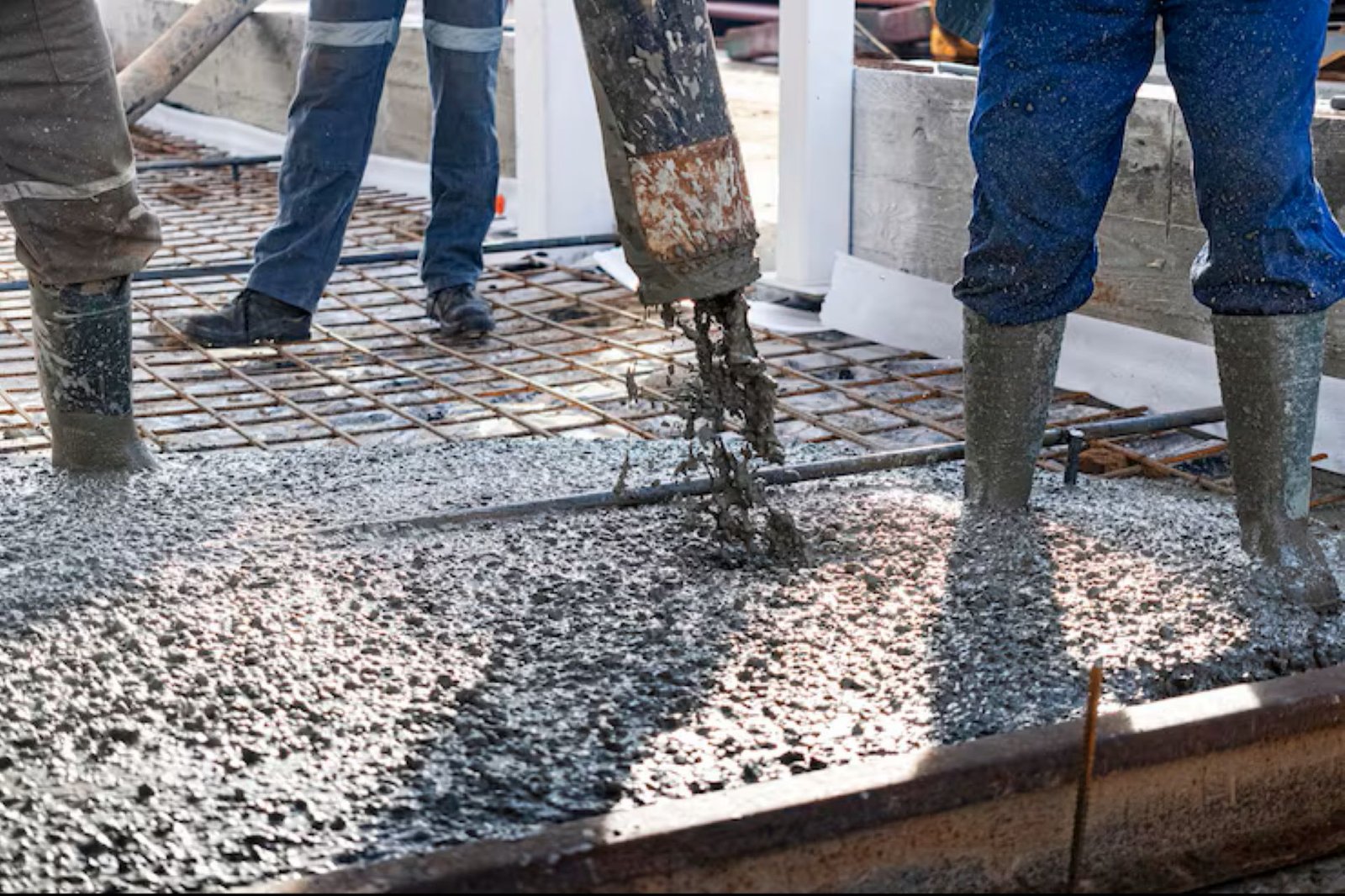
    At its core, concrete pumping is about moving fresh concrete from the truck to wherever it has to be placed, even if it’s far away or hard to reach. Instead of using shovels, buckets, or carts, we use pumps to push the mix through a long hose. That hose brings the concrete right where it’s needed, whether the crew is working behind a house or down a steep slope.

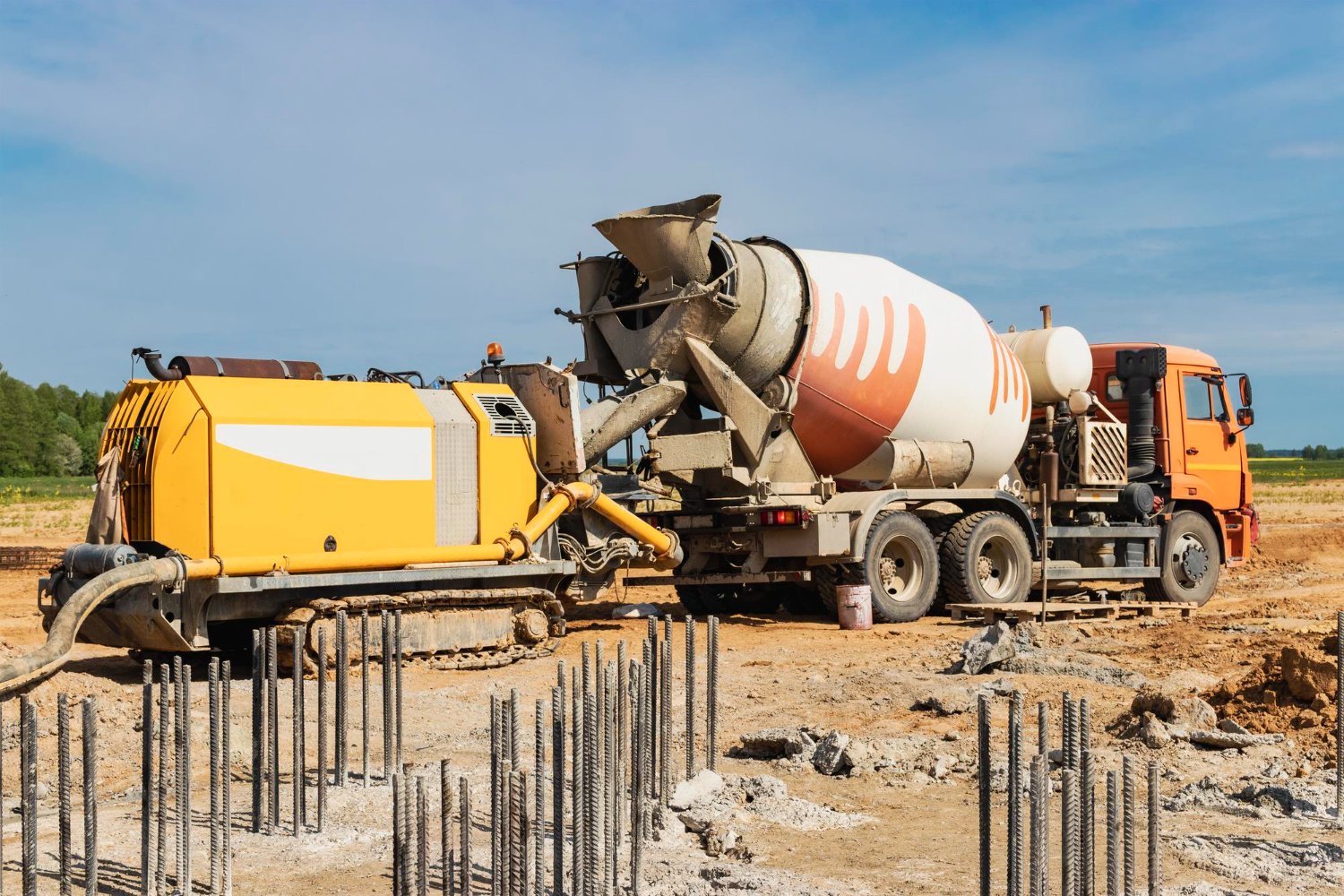
    There are two main kinds of pumps we typically use:

    • Line pumps send concrete through a flexible hose. They’re great for small to medium jobs, like patios, sidewalks, or backyards where there’s not much room.

    • Trailer pumps are a bit stronger and can push concrete even further. These are helpful when the pour site is far from where the truck is parked.

    Slump Pump offers both line pump and trailer pump options for residential and commercial projects, serving Feasterville-Trevose, Pennsylvania, and surrounding areas.

    Using a pump gives us better control and keeps the mix fresher. We’re not stopping and starting, and we don’t risk part of the load drying out before we get to it. That means better timing and fewer problems later on.

    When You Might Need a Pumping Crew

    Not every concrete pour needs a pump, but when the setup gets tricky, a pumping crew makes a huge difference. Think about areas you can’t drive a truck into or where it wouldn’t be safe to carry heavy loads by hand. That’s where we come in.

    Here are some common examples where a pump helps get the job done:

    • Long driveways or narrow walkways where a truck can’t go

    • Steep yards or downhill areas where rolling equipment doesn’t work

    • Basements or back patios without side access

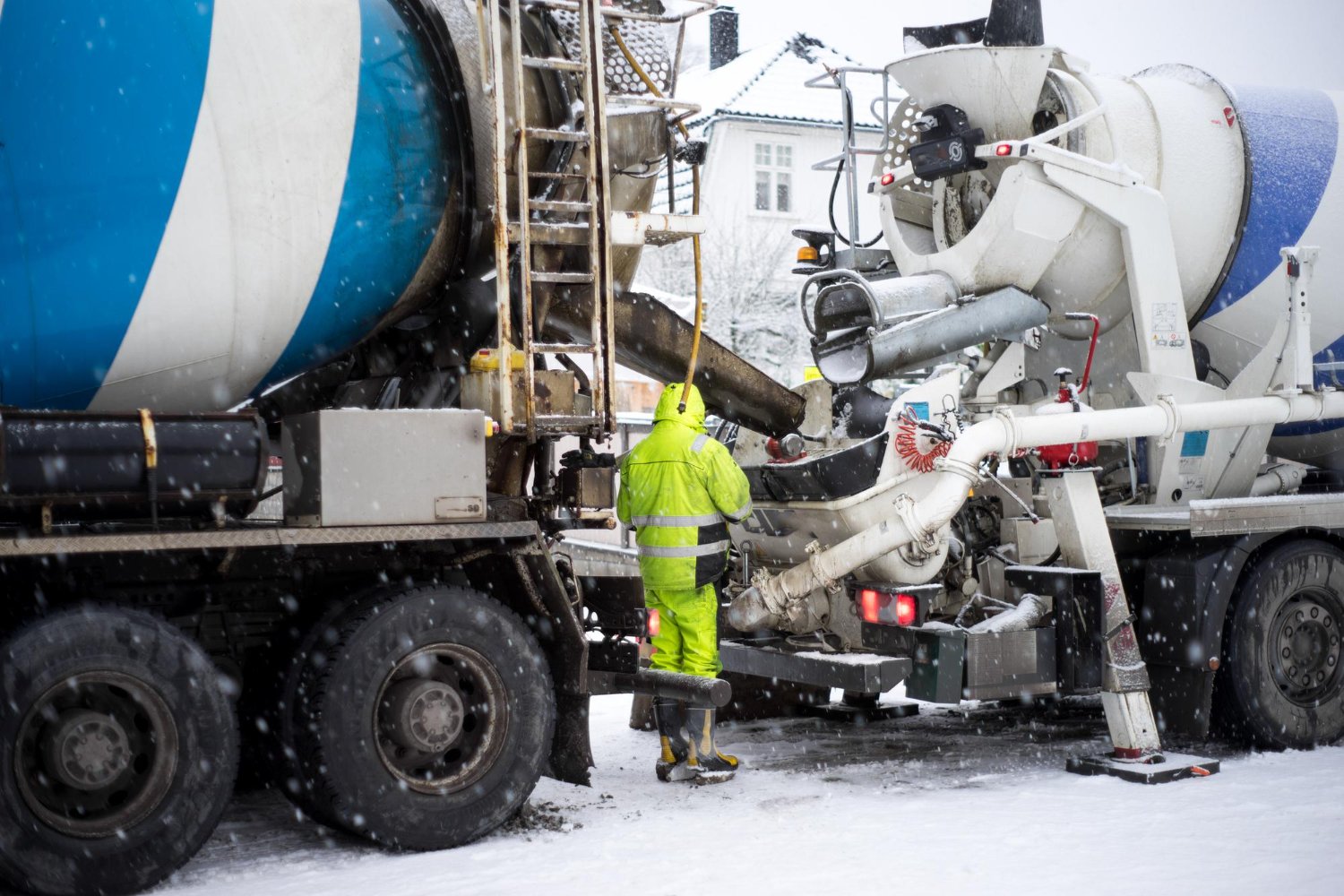
    • Cold seasons when speed is extra important and the mix can’t sit for long

    Even when the space looks open from above, the path to get concrete where it needs to go can be full of roadblocks. Trees, fences, stairwells, and uneven ground all slow things down. Using a pump lets us work around those spaces without damaging the property or rushing the pour.

    Our concrete pumping services are ideal for hard-to-reach areas, including residential basements, patio slabs, and commercial sites where mixer trucks cannot access directly.

    What Makes a Good Crew for the Job

    It’s one thing to show up with a pump, but making it all run smoothly takes skill. A good pumping crew does more than plug in a hose and start pouring. We need to plan ahead, know what tools fit the job site best, and be ready to adjust when something doesn’t go as expected.

    Here’s what we pay close attention to each time we prep for a job:

    • What kind of pump fits the size and distance of the pour

    • How to run the hose cleanly through the site without it getting caught or twisted

    • What kind of ground we’re working on and how it might change with cold or wet weather

    • Whether the mix can reach the forms in one go or needs to be moved in phases

    We also talk things through with the crew doing the finishing work so everything stays in sync. Timing matters. If one part dries while waiting for the rest, it can lead to cracks or seams that show up later. Working together from start to finish keeps the flow steady and the surface smooth.

    How Pumping Changes the Way Concrete Gets Poured

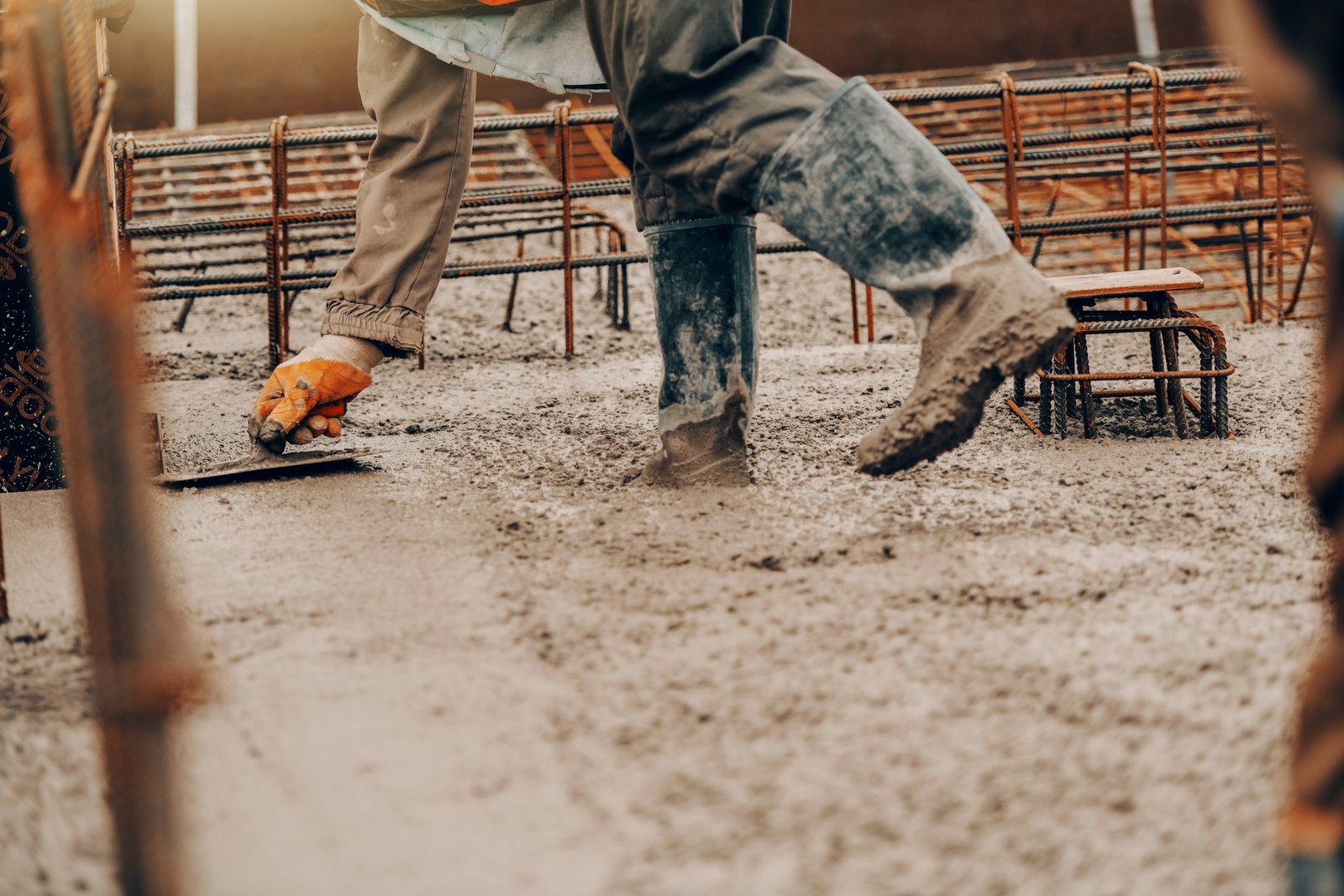
    Without a pump, most concrete jobs rely on hard labor. That means loading, pushing, dumping, and repeating until the pour is done. It slows everything down, especially on yards that are muddy, icy, or packed with equipment. Pumping speeds the whole process up and makes the work safer at the same time.

    Using a concrete pump often leads to:

    • Faster pours with less waiting

    • Cleaner surfaces because the mix stays continuous

    • Lower physical strain on workers

    • Smaller messes since the hose can be placed directly where needed

    During colder months, that time matters even more. The sun sets earlier, and the air gets chilly fast. Concrete needs to settle evenly, and if it cools too quickly, it can get weak or hard to finish. Pumping keeps sections flowing one after another so we’re not scrambling at the end to catch up before dark.

    Concrete Solutions That Fit the Job

    Every job is different, even if the basics stay the same. What makes a big difference is knowing how to match the right tools with the challenges on site. Whether that means a line pump for a narrow space or a trailer pump for that extra reach, the goal is to move the concrete without slowing anyone down.

    Choosing the right setup means we’re thinking ahead. It’s not just about bringing powerful equipment. It’s about asking the right questions, spotting trouble spots early, and setting everything up so the pour is steady from start to finish. When the plan fits the space and the weather, the work gets simpler fast.

    Some jobs look doable at first glance, then shift once we’re on the ground. Having a pumping crew that knows how to respond without dragging things out helps keep the whole project on time and on track. Even in colder months, moving fast doesn’t mean rushing if the setup supports the pour.

    Working with concrete pumping companies changes how we approach each job. It lets us focus more on the pour and less on the uphill parts of getting there. When we set things up right, we don’t just save time, we help the rest of the crew finish stronger too.

    Planning a concrete project is easier with the right team on your side. We’ve managed tight spots, long pours, and fast-paced cold weather jobs, always focusing on safety and keeping your schedule on track. See how our work with concrete pumping companies keeps the process simple and reliable. Contact Slump Pump to get started.

  • Can Affordable Concrete Pumping Fix Pouring Delays?

    Can Affordable Concrete Pumping Fix Pouring Delays?

    Cold weather changes everything on a job site, especially when concrete is involved. Once winter settles in, crews face shorter days, frozen ground, and constant weather shifts. That all adds up to one thing, delays.

    Waiting for a stretch of good weather or the right delivery window can drag simple projects out by days or even weeks. We’ve learned to look ahead before the cold settles in, and that’s where affordable concrete pumping often makes a difference. It helps keep our schedules steady by moving concrete fast and cutting down on time we’d usually waste hauling mix by hand.

    Let’s take a closer look at how those delays happen and where pumping fits into the solution.

    Why Concrete Pours Get Delayed in Winter

    Winter doesn’t give much room to adjust. Often the ground is frozen when we show up, and if it’s icy, even walking the site becomes a slow process. That means we’re spending extra time preparing the area before a single drop of mix gets poured.

    The sun sets earlier too, and we can’t count on full workdays like in warmer months. In colder weather, we’re usually racing the clock to finish before temps drop again. Starting late or pushing too far into the evening is risky, especially for concrete that hasn’t set yet.

    Another problem is last-minute weather changes. Just when we think we’re good to go, a sudden drop in temperature or a surprise snow flurry can push back a scheduled pour. That leaves us calling for another delivery, resetting forms, or shuffling the whole week’s timeline.

    How Pumping Methods Affect Pouring Speed

    We’ve worked both ways, moving mix by hand or wheelbarrow, and using pumps. There’s no question that traditional methods take longer. On a tight job site or one where we have to pour in the back corner, it could mean hours of back and forth.

    With concrete pumping, we get the mix to the exact spot faster. It’s all about reach. We can run lines over fences, through narrow walkways, or even down slopes where regular trucks can’t go. That saves back strain, but more importantly, it saves time.

    Line pumps and trailer pumps help us move mix without delay across rough or frozen ground. They keep the job flowing so we don’t lose daylight or face extra setup work. When it gets cold, every saved minute counts.

    Slump Pump’s line pump can deliver concrete up to 250 feet from the truck, ideal for tough layouts in Pennsylvania’s winter months.

    When Affordable Concrete Pumping Helps the Most

    Some pours are just harder than others, tight driveways, steep grade yards, small back patios. These often need custom setups that eat into precious time. That’s where affordable concrete pumping really helps. It lets us focus on the pour instead of hauling buckets or building ramps.

    We also see a big difference on jobs that need the mix placed quickly. When the temperature hovers near freezing, we want concrete down and shaped before conditions turn. Pumping helps us do that without rushing or cutting corners.

    Projects with strict schedules benefit too. Winter doesn’t offer much flexibility, so delays on one job can stack up quickly. By using affordable concrete pumping, we save time at each step and stay closer to timelines that would otherwise fall apart in winter weather.

    Our services cover both residential and commercial projects, handling basement slabs, patios, and walkways with setups customized for winter conditions.

    What Crews Still Need to Plan Around in Cold Conditions

    Pumping helps, but it’s not the whole solution. Proper planning still plays a big role in pouring safely and successfully in cold months.

    • We make sure the area’s ready before the pump arrives, cleared, level, and not too slick with frost.

    • Concrete needs to be protected after pouring so it doesn’t freeze before it sets. That might mean using blankets, covers, or heaters depending on the job.

    • Our pumping equipment needs more attention too. Cold weather can cause hoses to stiffen or blockages to form. We clean and prep everything carefully, and we don’t skip even small checks.

    Taking these small steps means we don’t lose time fixing a problem we could have avoided at the start.

    Choosing Smarter Timing for Winter Projects

    We’ve learned to aim for pour times that match up with the day’s warmest stretch. That’s usually late morning to early afternoon. It gives the concrete time to cure properly before things get cold again in the evening.

    Starting too early or too late can mean rushing or needing extra tools to keep the surface warm. Picking the right window helps avoid both. That’s why we work with clients upfront to time jobs right, instead of pushing things through just to stay on schedule.

    Having the right tools, like a trailer pump or line pump ready to go, allows us to start strong and finish steady, even when the weather’s not ideal.

    Less Waiting, Better Results

    Pours in winter are always going to be tougher than in warmer months. But they don’t have to be unpredictable. When we plan ahead, choose better timing, and use tools that speed things up, we cut back on delays that used to slow us down.

    Affordable concrete pumping plays a big part in that. It gets the mix where it needs to be fast, which keeps things moving. With the right prep and the right tools, we’re better able to stay on track, no matter how cold the forecast gets. That means better results, fewer slowdowns, and smoother projects, even in the middle of winter.

    Staying ahead of winter delays takes the right equipment and planning. At Slump Pump, we know how unpredictable cold weather can be and have helped many projects stay on schedule with smart timing and support from our affordable concrete pumping. Let’s discuss how we can keep your project moving, no matter the temperature.

  • How to Pick a Concrete Line Pump That Fits Your Project

    How to Pick a Concrete Line Pump That Fits Your Project

    Picking the right concrete line pump can make your project smoother from the start. When everything fits the layout, pouring gets easier, timelines shrink, and stress levels drop. We’ve worked on enough jobs to know that the wrong setup can slow everything down, especially during winter when daylight is short and the cold creeps up fast.

    Choosing a concrete line pump isn’t just about getting concrete from point A to point B. You’ve got to think about what you’re pouring, where it’s going, and how quickly you want to finish. One size doesn’t work for every site. So we’ve pulled together some helpful tips that can set your job up for a better pour, even when cold weather makes things harder.

    Know What You’re Pouring

    Different types of pours need different setups. A small patio doesn’t need the same pump or hose as a deep basement footer or a long, sloped driveway. It’s not just about shape or space, it’s about the volume of concrete and how thick it needs to be.

    Here are a few common pour types and how they might affect your pump choices:

    • Patios: Usually flatter and close to ground level, which may mean a shorter hose will do the trick.

    • Driveways: Depending on length and slope, you might need a pump that can support a longer reach.

    • Footers: Often below grade and sometimes in tight spaces, so flexible but strong hoses matter.

    • Basements: These can be deep and cut off from driveway access, making a longer pump line necessary.

    Bigger pours or thicker concrete demand something with more strength to keep material flowing steadily. Picking a pump that can match that need saves time instead of stopping and fixing clogs or working slower than expected.

    Slump Pump supplies both line pump and trailer pump options for patios, driveways, footers, and basement pours, designed to match the size and scope of your job in Pennsylvania.

    Think About Access Around the Job Site

    Access can surprise us, even when we plan ahead. Sometimes a backyard’s tighter than we thought or a fence we assumed could be moved is locked in. That’s where the right concrete line pump becomes useful. We’ve used them to reach over stone walls, go through hedge lines, or even around sheds when trucks just couldn’t make it through.

    If your site has narrow entry points or slopes that a vehicle can’t climb, it helps to plan for:

    • Driveways with limited width or turns

    • Yards enclosed with fences, garden beds, or tree lines

    • Pour zones blocked by porches or steep drop-offs

    With a line pump, we can run hose through narrow spots without disturbing the rest of the yard or needing heavy equipment to do the job. Using a pump that doesn’t match the layout means more adjusting on-site, which leads to longer setups and more hours lost to cleanup.

    Our line pumps can place concrete up to 250 feet from the street, helping us service challenging areas across residential and commercial sites.

    Weather and Work Windows

    During the winter, time really matters. Sunlight runs out fast and cold air sets in just as quick. That means pouring concrete takes more coordination. It’s risky to start too late in the day only to have the temperature drop before the mix can cure.

    The pump you choose can either help you beat that timeline, or slow you down. Picking something that handles the speed and distance you need helps us finish before the warm window closes. Here’s what we plan for on colder days:

    • Pouring during the warmest stretch of the day, often late morning

    • Keeping the concrete moving quickly from truck to pour site

    • Avoiding delays caused by stoppages or resets if something clogs or doesn’t flow right

    Fast pours lead to better results when cold weather pushes against the job. A line pump that makes it easier to keep pace means we don’t lose good weather or pour under bad conditions.

    Make It Simple With the Right Setup

    There’s more to picking a pump than just hose length. Flow rate, pumping distance, and pump type all affect how smooth the setup goes. The better the match, the smoother the pour.

    Line pumps work well for jobs where the mix needs to travel across tight areas or curves. They use flexible hose, which makes them a good fit for awkward layouts. A trailer pump might work better for longer distances or when there’s a high volume of mix to move. Both have their place, it just depends on what the job calls for.

    We pay attention to the little things like:

    • Making sure hose length and strength match the space

    • Picking a pump that can keep pace with the batch arrival

    • Keeping connections clean and clear to prevent slowdowns

    Getting those settings right can mean the difference between a steady pour or one that keeps stopping every few feet.

    What a Right-Fit Pump Can Do for Your Project

    The wrong setup can waste your time, stretch your day longer, and wear out your crew before the pour is even halfway done. Finding the right pump ahead of time avoids all that. It fits the job’s pace and layout, which means we don’t have to fix problems as we go.

    Matching the pump to the job offers more than just better speed. It gives us a better chance to stay on schedule, which matters more in the colder months. Shifting a weekday pour to the weekend just because the gear didn’t fit isn’t something any of us want to deal with mid-winter.

    With smarter planning, simpler setups, and equipment that fits the space and task, we’re more likely to get the job done how and when it’s supposed to happen. And when temperatures start working against us, that kind of fit and flow makes all the difference.

    Tight spaces, heavy pours, and strict deadlines can make any job challenging, but our team is ready to match you with the perfect solution. The right concrete line pump keeps your pours on track, whether you’re working on a small patio or a deep basement. At Slump Pump, we handle the planning and details so your schedule runs smoothly. Reach out to discuss your next project and see how we can make the process faster and less stressful.

  • Why Concrete Pumping Contractors Plan Ahead for Winter Work

    Why Concrete Pumping Contractors Plan Ahead for Winter Work

    Cold weather doesn’t stop concrete work, but it does change how we do it. Concrete doesn’t act the same in freezing temps, and if we’re not ready, things can go sideways fast. That’s why concrete pumping contractors plan well before winter hits.

    The days are shorter, the ground gets harder, and everything takes a bit more effort. We’ve learned that planning early helps jobs run smoother once the cold sets in. It’s not about being over-prepared. It’s about making the most of shorter workdays and avoiding trouble before it starts.

    Let’s take a closer look at why winter work needs a solid plan upfront and what we do to keep each job safe, steady, and on schedule when the weather turns cold.

    The Challenges Winter Brings to Concrete Work

    Winter changes everything, even before the first pour. The ground gets frozen, which can slow prep work or block access spots we’d normally use. That alone can push start times back if we’re not set up right.

    Short days don’t help either. With less daylight, we have fewer workable hours, and that adds pressure to get things done fast. But rushing in cold weather can mean mistakes or missed details, which lead to problems later.

    And let’s not forget about the mix. Cold temps mess with how concrete sets. On some days, it starts stiffening too fast, while other days it hangs wet for too long. Both can cause issues with strength and finish if we’re not careful. That’s why we gear up, plan around temperatures, and make sure everything’s ready before the truck even shows up.

    Our crew at Slump Pump is experienced in planning workarounds for winter access issues, providing line pump and trailer pump solutions that reach up to 250 feet into difficult spaces, even when the ground is frozen.

    Why Timing and Scheduling Matter More in Winter

    Pouring early in the day helps us beat the freeze. On colder mornings, we aim to get concrete placed and settled before surface temps drop too low. That small shift in timing can make a big difference in how a job cures and holds up.

    But it’s not just about the clock. Winter brings weather that changes fast, and we don’t work off a basic calendar. We watch the forecast and pick days with better chances for steady pouring. A short delay at the start of winter might become a longer one if we’re not careful.

    Planning gives us a head start. When we know a job’s coming up, we can place orders, prep the site, and walk it through ahead of time. That way, crews know what to expect and aren’t scrambling last minute. The more winter throws at us, the better it is to stay a step ahead.

    Adjusting Equipment for Cold Conditions

    Winter slows machines down just like it slows people. Pumps don’t like freezing temps, and if we don’t prep them right, they can freeze or clog. A pump that works fine in warmer months might struggle if hoses run too long or if the setup is too tight.

    We take more time to clean hoses, insulate parts if needed, and run checks before we even fire up the pump. It’s not about being picky. It’s that a small freeze can jam the whole system. So we build in extra prep for every job.

    On tricky sites with narrow access or long reach, the cold only makes it tougher. We might need to change how we line things up or adjust where trucks and hoses go. Cold weather offers less room for error, so any setup changes need to be smart and safe from the start.

    How Pre-Planning Keeps Sites Safer and Smoother

    Snow or frost can turn a flat work area into something dangerous pretty quickly. Even a patch of slick ground near the hose can cause someone to slip or trip during a pour. That’s why clear communication matters from the start.

    We walk the site early, check for ice-prone areas, talk with crews, and double-check the schedule with whoever owns the property. That way, everyone knows what’s changing and when.

    By picking the right time and avoiding early mornings that are too cold or too dark, we keep both the concrete and the people handling it in better shape. No rushed finishes, no frozen surfaces, and fewer surprises once the job starts.

    When Smart Planning Makes the Biggest Difference

    Some jobs don’t leave any room for guesswork. Big pours or places that are hard to reach take more thought in every season, but winter makes them even tougher. One misstep in setup or timing can turn a simple job into backtracking or tear-outs.

    That’s why we give those jobs extra attention when it gets cold. Cold delays can stack up fast, and mistakes take longer to fix. Smart planning gives us more time for checks, more space to shift if weather shifts, and more confidence when the pour gets started.

    For jobs that were already complicated, winter just adds another layer. So we focus on extra prep, reliable equipment, clear communication, and pacing that allows for the unexpected without throwing the whole thing off.

    Our line pump and trailer pump services are designed for both residential and commercial winter projects in Feasterville-Trevose, Pennsylvania, and throughout the region, making it possible to keep projects moving despite the cold.

    Making Winter Concrete Work Less Stressful

    Winter’s colder temps and shorter days throw challenges into nearly every pour, but that doesn’t mean the work stops. It just changes how we handle it.

    As concrete pumping contractors, we’ve learned to think ahead before cold weather sets in. We don’t take chances with time, tools, or safety. We plan hours, shifts, and site needs all the way down to the smallest details. That’s how we keep moving when the season slows everything else down.

    Being prepared means fewer delays, fewer headaches, and better results. It keeps the work smooth, protects the crew, and makes sure that even a freezing day won’t freeze up the job. Slump Pump handles it all with the right plan, long before the trucks ever roll in.

    No matter how cold the weather or how tight the space, we’re here to help you plan ahead and keep your next concrete pour running smoothly. From tricky backyard slabs to pouring full basement floors, we understand how the right equipment can make a big difference when temperatures drop. As experienced concrete pumping contractors, we bring the tools and preparation your winter project needs. Slump Pump is committed to making your job easier, safer, and more predictable. Reach out when you want to discuss your next pour.

  • Knowing the Right Time to Use a Line Pump

    Knowing the Right Time to Use a Line Pump

    Any time we’re working with concrete, getting the mix where it needs to go can be the trickiest part. Sometimes the job is tight, messy, or just too far from where the truck can park. Dragging heavy loads by hand or waiting on slow equipment can stretch a quick pour into an all-day hassle.

    That’s where a line pump makes a big difference. It helps move concrete fast, right into place, without tearing up the yard or wearing out your crew. But choosing the right time to use one isn’t always obvious. We keep a sharp eye on the setup, the weather, and the size of the pour. When the timing’s right, using a line pump can save time, reduce stress, and help everything go smoother from start to finish.

    When the Truck Can’t Get Close

    There’s no easy pour when the truck can’t get near the forms. We see this a lot, yards boxed in by fences, crowded with trees, or just too tight for heavy vehicles. Sometimes the area is around back, down a slope, or blocked off completely.

    Instead of hauling concrete over and over again with wheelbarrows or buckets, we use a line pump to run hoses straight to the spot. That means no more long treks through the yard or tricky balancing acts on makeshift ramps.

    • Line pumps send the mix over fences, around corners, or into tight spaces

    • No ruts in the grass, broken pavers, or torn-up garden beds

    • Less cleanup and fewer spills from moving wet concrete by hand

    Slump Pump has the capability to move concrete up to 250 feet from the street with our line pump, making even the hardest-to-reach areas accessible without damage to your property.

    Getting the concrete in place without all the back-and-forth lets us focus on how it’s poured, not just how it’s moved.

    Big Pours That Take Too Long

    Some jobs just need to move faster to turn out right. Big back patios, long footers, or basement floors can’t be poured in short chunks if you want a clean finish. When the first load starts to dry before the next one’s ready, you end up with cracks or uneven spots.

    That’s where timing matters. A line pump doesn’t just move the mix, it keeps the pace steady. Instead of waiting on another crew to carry it in or fill buckets, the concrete keeps flowing. The crew can keep shaping, finishing, and working the surface without delays.

    • Steady flow helps avoid cold joints or weak spots in the slab

    • Fewer pauses mean less trouble with setting or drying too fast

    • Smooth pours give cleaner edges and better finishes

    Using a line pump during big pours isn’t just about speed. It’s about giving the work a better shot at lasting.

    Tight Schedules and Shorter Days

    By late December, the days feel short and the weather doesn’t always cooperate. We don’t have the same long daylight hours or warm afternoons to work with. Cold air sets in fast, and when we’re racing against sunset or dropping temps, every minute counts.

    Pumping concrete quickly helps us get the whole pour done before surfaces start setting too soon or the ground gets too cold. If parts of the mix sit too long, they might not bond the right way. That can cause weak spots or extra work later on.

    • A line pump helps keep winter projects moving at a steady pace

    • Less downtime waiting for each section to be filled

    • Fewer surprises from frozen tools or mix that stiffens early in the pour

    Line pumps are ideal for handling residential, commercial, and multi-unit projects in the greater Philadelphia area where weather or tight access can slow things down.

    We pay extra attention to the forecast when winter’s around the corner. Being able to finish fast makes all the difference once the sun slips down.

    When the Job Feels Too Big to Handle

    Some jobs look small on paper but land hard once work begins. Maybe it’s a backyard slab that stretches farther than expected, or the helpers drop out last minute. Either way, hauling concrete by hand gets real tiring, real quick.

    A line pump helps keep the job manageable without having to pull in a big crew. It eases the load, both physically and mentally. With the concrete flowing right where it needs to go, we don’t have to spend hours lifting, dumping, and running back for more.

    • Cuts down on physical stress and keeps mistakes to a minimum

    • Makes it easier for a small team, or even just a few people, to finish strong

    • Removes the rush so we can focus on getting every step right

    There’s a big difference between working hard and working too hard. When the gear matches the job, everything feels more under control.

    A Smarter Way to Pour

    We know how each job is different. Some are quick and simple. Others are long, heavy, and full of roadblocks. What stays true across all of them is how useful it can be to stop and ask if a different setup would make it better.

    Using a line pump at the right time helps keep everything on track. It cuts down on delays, avoids damage around the site, and lets us pour with confidence. Whether the problem is space, size, or schedule, having the right tool in place makes all the other parts of the job go smoother. When we worry less about how to move the mix, we get to focus more on what we came to do, pour it well.

    When the setup gets tight or the work takes an unexpected turn, the right equipment can make all the difference. We’ve seen firsthand how a line pump can lighten the load for your crew and keep your project moving efficiently without cutting corners. From tricky spaces to unpredictable weather, having a dependable way to place concrete changes things. At Slump Pump, we focus on what your job truly needs to keep things running smoothly. Give us a call when you’re ready to discuss your next pour.

  • Ways Concrete Line Pump Service Helps During Cold Months

    Ways Concrete Line Pump Service Helps During Cold Months

    When the cold sticks around and temperatures drop, pouring concrete isn’t as simple as it used to be. The mix takes longer to set, and every minute matters once it leaves the truck. If things slow down, you risk uneven hardening or surface problems that are tough to fix later. That’s why we rely on the right tools for the job, and a concrete line pump service can make all the difference when timing is tight and the weather isn’t on our side.

    Using the right pump keeps the concrete moving fast, landing it exactly where it needs to go without delay. It’s not just about pouring faster, it’s about doing things safer and smarter when winter makes construction jobs harder than usual. Let’s look at a few helpful ways a line pump keeps your cold-weather projects on track.

    Why Cold Weather Creates Challenges for Concrete Work

    Working with concrete when it’s freezing outside brings all sorts of trouble. The mix doesn’t set like it does on a warm day, and that changes how we have to handle it. Wet concrete reacts slower in the cold, so it can take longer to harden. This can lead to delays in finishing the surface or covering it up before frost sets in.

    Cold wind and low temps can dry out the surface too fast, even before the inside has a chance to set up properly. That can cause cracks, scaling, or weak spots if we’re not careful. Handling this kind of pour takes planning, speed, and steady hands.

    • Slower set times can lead to surface problems

    • Wind and air temps can dry out the surface unevenly

    • Delays or uneven pours may lead to weak spots

    That’s why we place extra focus on keeping things moving. Every part of the job (from the truck to the final finish) needs to happen without long gaps. If the flow stops, the cold takes over.

    How Concrete Line Pumps Keep the Mix Moving

    One of the biggest helpers in cold-season work is the pump we use to move the mix. A concrete line pump works by pushing the concrete through a hose straight from the truck to the spot where it’s needed. That cuts down the time it sits out in the cold, which helps keep it at the right temperature and flow.

    Rather than slowly hauling heavy loads across the job site, the pump feeds a smooth stream that’s easy to guide and place. This matters a lot when winter weather works against us. A steady, constant pour keeps the mix from breaking apart, drying too soon, or setting unevenly.

    • Pumps move concrete fast from truck to pour site

    • Less waiting time reduces risk of freezing or stiffening

    • A steady pour leads to a better surface and a stronger finish

    Slump Pump offers line pump services that can deliver concrete up to 250 feet from the street, which is especially useful in Pennsylvania winters when access is limited and ground conditions are tough.

    Using a concrete line pump service during cold pours isn’t just faster, it’s smarter. Quick delivery helps us finish well, no matter how chilly the job site feels.

    Reaching Hard-to-Access Spots Without Slowing Down

    Winter jobs are often in places that aren’t easy to reach. Whether we’re working behind a house or down a narrow path, getting the mix where it needs to go can take time if we’re doing it by hand. But dragging heavy wheelbarrows through snow or frozen ground doesn’t help anyone.

    That’s where a concrete line pump shines. We can run hoses through tight spaces, over fences, or around corners without stopping to shift or carry. The pump does the hard work so the crew can stay focused on placing and finishing.

    • No need to carry heavy loads across frozen ground

    • Hoses can run through tight or tough-to-reach spaces

    • Less back-and-forth cuts down on delays

    This doesn’t just save time, it gives the concrete a better chance to settle right before the cold works against it.

    Helping Crews Stay Safe and On Schedule

    Cold job sites can be slippery, dark, and harder to work in. Long pours take more time in the wet and cold, which wears people out faster. When we use a pump, the whole process gets smoother and easier for everyone on site.

    Without the need to move heavy loads, crews aren’t stuck dragging buckets or carts on slick paths. That lowers the chance of slips or muscle strain. The quicker pace also means we’re more likely to finish before the sun goes down, which matters since the afternoons tend to get dark early this time of year.

    • Crews work faster with less physical effort

    • Lower risk of slips and overwork in rough weather

    • Daylight hours are used more efficiently

    Faster, safer, and more focused, that’s what a good setup can bring to cold-weather concrete jobs.

    Extra Steps That Make Winter Pours Work

    A lot goes into making concrete behave during the winter months. Some projects may include heated water, additives, or extra covers to keep the mix warm while it sets. All of those small changes help protect the final finish. Still, they don’t matter much if we can’t move the concrete fast and smooth.

    That’s why the way we pour matters as much as what we pour. Using a pump helps us stick to the plan, no matter how cold it gets. It supports the other work we do to prepare and keeps everything moving at the right pace.

    • Add-ons like heaters or blankets can only do so much

    • Pumping helps us place quickly before mix gets too cold

    • Planning, placement, and speed all tie together in winter

    Our services are trusted for residential and commercial jobs, whether you need footing pours, basement slabs, or work on a retail space. Keeping efficiency up all year long is part of how we support projects from start to finish.

    Without a steady pour, all the prep in the world won’t lead to a clean finish.

    Make Winter Concrete Work Easier and Smarter

    Cold weather has a way of making simple jobs more complicated. But when we use the right tools, it doesn’t have to slow us down. A concrete line pump helps us beat the clock, protect the pour, and keep the job safe and steady.

    With quicker placement, easier access to tough spaces, and less wear on the crew, the benefits stack up. Pumps don’t just help us work, they help us work better during the toughest time of year. That’s why we rely on them to keep cold-month concrete jobs strong from start to finish.

    If you have a winter pour coming up, we’re here to keep it moving. Slump Pump is ready to help.

    When timing matters for your winter pour, having the right tools makes all the difference. Whether we’re moving concrete through tight spaces or dealing with cold temperatures, the key is keeping the flow steady. A well-planned setup and reliable pace start with support from our trusted concrete line pump service. At Slump Pump, we’re here to help make your next project less stressful and more successful. Call us to get your job moving safely and on schedule.

  • Why a Trailer Pump May Be Right for Your Job Site

    Why a Trailer Pump May Be Right for Your Job Site

    Getting concrete where it needs to go isn’t always easy. Trucks can’t always pull right up to where you’re working, and hauling the mix by hand takes time and energy most job sites can’t spare. That’s where some smart equipment can really make a difference. For a lot of projects, trailer pump concrete services are the key to saving time, avoiding messes, and keeping everything moving steady when space is limited or things get tricky.

    Trailer pumps are especially useful because they bridge the gap between what needs to be done and the reality of the work site. Instead of struggling with obstacles, you can use equipment that delivers the mix smoothly, even when the conditions are far from ideal. That makes every phase of the job easier, from setup to pour to cleanup.

    When Space is Tight or Access is Hard

    Not every job gives us a clean, open surface to work with. Sometimes there’s a narrow driveway, soft ground, or fencing in the way. Other times we’re pouring in a backyard where the truck can’t reach or even turn around. In situations like these, it’s clear that bringing in a large concrete truck just isn’t practical or even possible.

    When the main challenge is simply reaching the spot where the pour is needed, a trailer pump can be positioned at a distance, away from all the tight corners or soft spots that would normally cause trouble. The hoses can be fed around corners, between trees, or through gates, allowing the concrete to get right where it is needed. This means you don’t have to worry as much about the length of your driveway or the size and shape of your property.

    • A trailer pump rolls in separately and can be parked out of the way

    • Long hoses reach areas that can’t be poured straight from a truck

    • We don’t need to tear up the yard or make space for a mixer to get through

    Instead of pushing wheelbarrows back and forth or setting up plywood ramps over the grass, we can place the pump and run hose directly to the forms. That keeps loading simple, skips unnecessary wear to the property, and makes it easier on everyone working the job.

    There is peace of mind that comes from knowing the ground won’t be ruined by heavy vehicles making repeated trips. Plus, by reducing the amount of back-and-forth, your crew can focus on the actual pour and finishing work instead of spending half their time as movers.

    Our trailer pumps can handle up to 250 feet of hose, letting us reach the most challenging areas for residential and commercial projects in Feasterville-Trevose, Pennsylvania, and surrounding locations.

    Keeping the Pour Steady and On Track

    Any time we stop and start with concrete, there’s a risk of uneven setting or other issues. This matters even more during big pours like slabs, patios, or basements where a lot of surface needs to stay wet and in shape over time.

    When using a trailer pump, the job is more controlled. The concrete comes out in a steady, predictable flow rather than showing up in uneven batches. This helps the whole crew stay organized, reduces confusion, and lets you maintain a consistent quality throughout the project. The less you have to worry about the pace of delivery, the more attention you can give to smoothing, shaping, and finishing.

    With a trailer pump in place, we can control the speed and flow without waiting for more buckets or fighting to keep up with the mix.

    • Continuous delivery helps the crew stay focused on smoothing and finishing

    • We avoid cold joints or rough patches that come from delays

    • Poor timing can lead to cracks or weak spots we don’t want showing up later

    Using trailer pump concrete services makes the whole process flow better and keeps the job from feeling rushed in the wrong moments. It also frees up time, so the site is cleaned up quickly afterward, and you’re not left patching up small mistakes from hurried work.

    Cold Weather Means Getting It Done Fast

    Late fall into winter brings shorter days, colder starts, and less room for delays. Concrete doesn’t like sitting still when it’s cold outside. If it starts to stiffen or freeze before we’re finished placing or shaping it, that can lead to trouble down the line.

    Quick placement prevents the formation of cold joints, which are weaknesses where fresh concrete meets concrete that’s already started to harden. Having everything ready, organized, and efficient can help your crew beat the cold weather before it causes expensive problems. The ability to send concrete where it’s needed, exactly when it’s needed, puts you in a much stronger position for a good outcome even when the forecast isn’t on your side.

    This is where getting concrete in quickly and evenly matters most. A trailer pump helps us stay ahead of the weather by keeping the mix moving and the job on pace from start to finish.

    • Quicker placement prevents cold joints or surface flaws

    • Long delivery hoses let us pour without wasting time shifting gear

    • Finishing faster before nighttime temps hit gives us better results

    Cold air changes how we work, but the right tools help keep the project steady and dependable.

    By reducing the time the crew spends just moving the concrete, everyone can work with greater focus, leading to fewer errors and a cleaner, more professional result in every season.

    Great for Small Crews and Tough Setups

    Not every pour needs a huge team, and a trailer pump can make smaller setups work more smoothly. When there are just a few people on site, hauling by hand slows everything down. It’s tiring and can lead to mistakes when the crew is worn out halfway through the job.

    The pump’s ability to carry heavy loads over long distances means that a small crew doesn’t have to sacrifice speed or quality. Each worker can concentrate on getting the details right, not just fighting against the clock or the weight of the materials. Especially when working in locations with difficult layouts, the pump solves problems that normally add hours of labor and frustration.

    • Pumps carry the load so we don’t burn energy on moving buckets

    • Fewer people can still pour large areas without extra strain

    • We stay more focused on quality and finish instead of just transport

    Our experienced crew at Slump Pump is trained for jobs with limited access or tough site conditions, so even small teams can finish projects efficiently.

    With the right tools, even a complex job feels doable without having to bring in a bigger crew or rush to beat the clock.

    Why It Pays to Keep Things Simple and Smooth

    There’s a reason we turn to trailer pumps when space is tight, timing is critical, or the weather won’t cut us a break. Using trailer pump concrete services lets us keep things simple. Setup is clean, pour speed stays steady, and we spend less time working around problems that don’t need to be problems.

    Having reliable tools doesn’t just save labor, it means less wear and tear on everyone involved. It helps us avoid those moments when a site gets chaotic and deadlines slip because too many details get away from us. Keeping the process straightforward leads to a more organized job and results we can stand behind.

    • Less mess, less waiting, and fewer chances to fall behind

    • Easier access helps the whole job stay controlled and organized

    • Fast, flexible delivery makes it easier to finish strong

    When everything lines up just right, the day runs smoother. That means a better result for the crew and the job, with fewer surprises along the way.

    Simply put, the right trailer pump does more than just move concrete from point A to point B; it keeps the project on schedule and your team working confidently.

    Getting concrete into hard-to-reach areas doesn’t have to slow down your project. The right equipment keeps every pour clean, steady, and on schedule even when weather or limited space creates challenges. When you need a fast, efficient solution, our trailer pump concrete services make it easy to keep your jobs moving forward. At Slump Pump, we’re ready to help you set up your next pour, so contact us today to discuss your project.

  • Easy Ways to Understand Concrete Pump Services

    Easy Ways to Understand Concrete Pump Services

    Concrete pump services make life easier on job sites where time, space, and crew size all matter. They’re a smart way to move heavy concrete from the truck to the pour spot without relying on wheelbarrows or long hours of lifting. Instead of loading buckets and walking back and forth, we use pumps to move the mix smoothly and quickly. That keeps things safe, steady, and less stressful.

    Understanding how these systems work doesn’t need to be complicated. Whether we’re pouring a small patio or working on a tight basement slab, knowing more about concrete pump services helps us plan better and finish stronger. Let’s break it down in simple terms so it all makes more sense.

    What Concrete Pumps Do and How They Work

    When concrete arrives by truck, it needs to get to the forms without delay. A pump takes the mix straight from the truck and pushes it through a long hose. That means we can place the mix wherever it’s needed, even if the job site is far from the road or full of obstacles.

    There are two main types of pumps:

    • Line pumps use flexible hoses that are easy to move around. These are great for smaller pours like sidewalks, footers, or patios.

    • Boom pumps have long robotic arms with pipes that reach over buildings or obstacles. We mostly use them for larger or more complex jobs.

    For example, if we’re pouring behind a house where there’s no easy access, a line pump lets us run a hose back there with hardly any setup hassle. On big commercial pours, a boom pump helps us reach wide or tall areas without moving the truck. Both tools take the weight off the crew and speed things up.

    At Slump Pump, our line pump can handle up to 250 feet of hose, which helps reach backyard patios, basement footers, or hard-to-access commercial spots across Pennsylvania.

    Why Concrete Pump Services Save Time and Labor

    Dragging concrete in wheelbarrows is slow, tiring, and messy. Pumps skip all that. They let us keep the mix flowing steady, so the crew can stay focused on placing and finishing instead of hauling.

    Here’s why that matters:

    • Less lifting means less fatigue and fewer chances for mistakes

    • Smooth, steady pours help avoid cracks or cold joints

    • Work stays moving on pace, even when timing is tight

    In the colder months, the pressure’s on to finish before the temperature drops too much. Concrete can stiffen fast if it sits too long. Pumps help us move quickly, which leads to a cleaner finish and a stronger result without the rush and risk.

    When and Where Concrete Pumps Make the Most Sense

    Not every job needs a pump, but there are a lot of times when it sure helps. We usually look at the size of the job, how easy it is to get close with a truck, and how quickly the concrete needs to be placed.

    You’ll often see pumps used on:

    • Backyard patios with narrow gates

    • Basements that sit below ground level

    • Footers with long runs that stretch across the property

    • Large slabs that need even pours from start to finish

    A good way to tell if a pump would help is to look at the access. If we can’t drive close or need to stretch the pour across a wide area, a pump is usually worth it. It cuts down on setup time and keeps everyone working smarter instead of harder.

    Our crew at Slump Pump specializes in working around tricky layouts and making sure every concrete pour, whether residential or commercial, runs smoothly and efficiently.

    What to Expect on Pour Day

    When we bring a trailer pump to the job site, everything starts with setup. We park the pump where it won’t block the truck, then run hoses to the pour area. Job sites do need a little prep, like clearing paths and making sure there’s space for the hose to move safely.

    Most pours follow a rhythm:

    • The pumping crew helps hook up the hoses and watches the flow

    • One or two team members guide the hose where the concrete goes

    • Others smooth and finish right behind the pour

    Safety is always part of the plan. We double-check that no hoses are bent or pinched and keep paths clear for people walking nearby. Working with a crew that’s done this before makes things easier, since everyone knows what to expect and how to handle the setup with care.

    Clear the Cold-Weather Concrete Confusion

    Pouring concrete in winter comes with a few challenges, especially as temperatures dip around December. Everything slows down when it’s cold. That includes the mix itself, which can stiffen fast if not placed right away.

    Here’s where pumps come in handy:

    • Quicker delivery helps us keep the concrete workable during each stage

    • Continuous movement helps the mix settle properly without freezing

    • The crew spends less time shifting tools and more time finishing the surface

    We also take extra steps on cold days, like warming the mix or covering fresh pours, but having a pump helps the most. It keeps us on schedule when daylight hours are short and the weather doesn’t wait.

    Why Smart Projects Start with the Right Tools

    Planning ahead makes a big difference once we’re on site. Concrete pump services aren’t just about speed, they make the whole job cleaner, smoother, and easier to manage. Instead of fighting traffic on the job site or worrying about timing, we stay focused on doing the work well.

    We’ve found that the biggest wins come when we:

    • Use the pump to reach tricky spots fast

    • Keep the flow steady and skip the stop-and-go

    • Cut down on messes, mistakes, and wasted energy

    Choosing the right equipment from the start helps everything go more smoothly. With so many moving pieces during a pour, it’s one less thing to worry about. It’s not just about getting the concrete there, it’s about getting it there right.

    Having steady, reliable help makes all the difference when space is tight or deadlines matter on your job site. We know a pour goes much smoother when the equipment matches your project from the start, which is why we focus on providing exactly what you need. To see the full list of ways we can help on your next job, check our concrete pump services. Ready to plan your next pour? Contact Slump Pump today.

  • When to Call for Residential Concrete Pumping Help

    When to Call for Residential Concrete Pumping Help

    Some concrete jobs around the house are simple to knock out in a weekend. Others take more planning, muscle, and time than expected. Whether it’s a tricky backyard layout or a big slab, you might find yourself thinking it’s more than a DIY project. That’s when bringing in help starts to make a lot more sense.

    Residential concrete pumping is one of those solutions that can save the day when the mix needs to go further than your wheelbarrow can handle. It helps move the material faster, keeps the site neater, and avoids long delays that can mess up the rest of the job. Not every pour needs it, but knowing when to call for it can take a load off your shoulders.

    When Concrete Needs to Be Moved a Long Way

    If the concrete truck can’t pour directly into the forms, it doesn’t matter how fast it shows up. Some yards have fences, trees, or tight corners that make it hard for heavy equipment to get close. Other times, the area is down a hill or tucked behind a structure. That’s when carrying the concrete mix by hand or with wheelbarrows becomes a major chore.

    With long hoses, pumping can get concrete into spots that are far from the driveway or curb. We can move it over obstacles or around corners without stopping to fill and dump over and over again. That makes the work go quicker and smoother.

    • Pump hoses stretch through narrow spaces where trucks can’t reach

    • No need to build makeshift ramps or tracks for wheelbarrows

    • Fewer spills mean less cleanup across the yard

    This isn’t just about speed, either. Keeping the job site clean and avoiding damage to walkways, driveways, or lawns makes projects feel less disruptive from start to finish.

    Our line pump setup can deliver concrete to hard-to-reach areas, reducing the need for manual transport and helping protect your landscape in Feasterville-Trevose, Pennsylvania, and neighboring areas.

    Projects That Need a Fast, Even Pour

    Some concrete work has to be poured quickly and evenly to turn out right. Slabs, patios, and basement floors all fall into that category. If these kinds of projects drag on too long between batches, the finish can dry uneven or crack. That creates headaches that show up weeks or months later.

    Using residential concrete pumping gives us steady control over how the concrete comes out. The crew can shape and finish as they go, without pausing for the next load to arrive. That helps avoid delays and keeps the mix setting consistently.

    • Basement floors and big patios need smooth, continuous pours

    • Pumping gives better control over pace and placement

    • Less waiting around for deliveries or dragging heavy buckets

    When the job calls for a clean finish, we don’t want any interruptions. Getting it right the first time keeps everything else on track.

    Slump Pump specializes in residential jobs, pouring patio slabs, walkways, footers, and basements with minimal disruption to your property.

    Cold Weather Is on the Way

    By late November, concrete work starts to get harder as temperatures drop and daylight runs short. In many areas, weather can turn fast. If a mix gets held up or left too long before finishing, it may not set as needed. That can lead to extra costs, extra work, or delays that spill into winter.

    Cold weather makes timing even more important. Pouring quickly and all in one go helps reduce the chance of cold joints or weak spots. That’s why being able to speed things up matters.

    • Fall and winter weather shortens the concrete setting window

    • Faster pours help avoid mix stiffening or freezing too fast

    • Getting the job done before overnight lows creates problems can save a lot of hassle

    It’s much easier to finish concrete now than to try to fix it later when things have frozen or cracked.

    When It’s Too Much to Do by Hand

    Some weekend projects seem small on paper, but get overwhelming once the boots are in the dirt. What starts as a simple backyard pour can grow into hours of hauling mix back and forth. And if it’s just you or a small crew, it can be rough.

    Pumping takes a load off when it feels like too much for a wheelbarrow and a shovel. It means fewer people can still finish the job without pushing themselves too hard. Staying safe, staying steady, and not having to rush makes the job feel more manageable.

    • Big pours make small crews work harder than expected

    • Pumping cuts down on trips and saves energy

    • Less lifting and moving makes for a more focused, steady pace

    When everyone’s worn out halfway through, mistakes happen more easily. Having a better system in place lets us keep going strong from start to finish.

    A Smoother Job from Start to Finish

    Knowing when to bring in help can turn a hard project into one that actually stays on track. With concrete work, timing, speed, and placement all matter more than most people think. If any one part of the process feels slow or off, the rest of the project pays the price.

    Getting the mix exactly where it should be, right when it’s needed, makes the rest of the job go smoother too. No mess, less waiting around, and more focus on doing it right the first time means we can finish with confidence. Even small changes to how concrete is poured can go a long way in making everything feel less stressful.

    Tackling a home project that’s more than a weekend job? Let us take care of it with easy solutions and smart equipment that keep your project moving forward without the mess and delays of manual work. Our team handles everything from tight backyard spots and patio slabs to basement floors, making sure you get clean, steady results every time. When you need help with residential concrete pumping, Slump Pump is ready to talk about your project and help you get started.

  • How Commercial Concrete Pumping Helps With Deadlines

    How Commercial Concrete Pumping Helps With Deadlines

    Most commercial construction jobs are on a strict schedule, and delays can set everything back by days or even weeks. Pouring concrete often comes with its own set of slowdowns, especially when conditions on the ground aren’t ideal. Whether we’re working around the weather or waiting on another crew to finish up, timing matters.

    That’s where commercial concrete pumping can really help. It moves material fast, cuts down on cleanup, and gets concrete right where it needs to go without dragging things out. When the project already feels tight on time, using the right equipment can keep us ahead of schedule without sacrificing the quality of the pour.

    Staying on Track When Time Is Tight

    When a job’s already running behind or needs to move quickly, every minute counts. Using wheelbarrows or buckets to move concrete from the truck to the forms takes a lot of time, and that time adds up fast. It’s not just about the hauling, either. Every slow delivery means waiting around before the crew can finish and move on. Sometimes, weather adds extra pressure to get the pour done on time, so the less we have to move concrete by hand, the better.

    Here’s what we’ve noticed:

    1. Pumped concrete shows up where it’s needed in less time than older methods.

    2. Fewer trips back and forth mean fewer delays between each stage of the pour.

    3. Crews can finish sooner and start prepping for the next task without waiting.

    This approach gives everyone on the job a smoother day. It’s a way to keep the job moving instead of stopping and starting all day long. The fewer slow spots we hit, the smoother the whole job runs. Even during busy weeks, pumping helps us get ahead, making a tight deadline feel less rushed.

    Hard-to-Reach Spots Without Slowing Down

    Not every job site lets a truck pull right up to the pour area. Sometimes the form is around the corner of a building, behind a fence, or at the far end of a large commercial lot. In those cases, we still need to move concrete quickly without tearing up the ground or creating more work. Getting the mix into these places is tough with wheelbarrows, which can wear out the crew and take lots of extra time.

    With commercial concrete pumping, long hoses can stretch around tight corners and over obstacles and even reach upper floors when needed. We can get concrete into narrow walkways, upper levels, or odd spaces without building temporary ramps or dragging material by hand.

    These setups help in a few ways:

    1. We don’t have to stop and reset just to reach another part of the job.

    2. We avoid disrupting other trades or parts of the site.

    3. There’s no need to waste time waiting on alternative equipment or manual labor.

    It’s a straight shot from the truck to the form, no matter where the form is. This makes it easier for the crew and keeps everyone’s energy focused on the work that matters most. In tricky spots, pumping saves both time and effort, letting us offer a cleaner finish and minimize site disruption.

    Fewer Delays from Cleanup and Reset

    Traditional pours can leave a mess behind, and that mess needs to be cleaned up before anything else can happen on-site. Drips, spills, and trails of mud slow everything down, especially when they’re in areas another crew needs next.

    When we use pumping, the whole process stays more contained. The mix moves through a closed line instead of open buckets or wheelbarrows. That means less splatter, less tracking, and less time spent rinsing everything off before moving on. Tools and walking areas stay cleaner, too, so the next part of the job can start right away.

    Here’s how that helps:

    1. Smaller messes mean less lost time at the end of the pour.

    2. Sites stay safer when walkways and surfaces stay clean.

    3. It’s quicker to reset between areas when we’re not stopping to clean first.

    In commercial work, where the next crew is often waiting for us to clear out, every extra bit of time saved matters. Crews appreciate stepping into a tidy area, and the work can stay on schedule more easily. By limiting cleanup, we also keep supplies and surfaces from getting damaged or blocked by wet concrete.

    Keeping the Crew Moving Smoothly

    There’s a rhythm to a good concrete pour. If the flow starts and stops, the crew has to keep adjusting, and that slows down the whole day. The finishing process gets harder when we’re waiting on the next batch of mix or scrambling to catch back up. It can be frustrating for everyone involved if a simple hold-up turns into a longer delay.

    With pumping, the mix keeps coming at a steady pace. That helps everyone stay focused and in sync. It’s not just easier on the crew, it also helps keep the finish smoother and reduces the chance of problems like cold joints. The steady supply from pumping makes it much simpler to keep concrete workable and avoid setting issues.

    Some of the benefits include:

    1. Less downtime waiting between pours.

    2. Fewer schedule slip-ups from uneven delivery.

    3. More control over where and how fast the mix is placed.

    By keeping the whole pour consistent, we spend less time making adjustments after the fact. Crew members can focus on finishing and smoothing, rather than running back and forth. This reliable process helps everyone feel less rushed and keeps stress levels down on busy days.

    Why It Can Help Meet Tough Deadlines

    All these small ways of saving time, better delivery, faster cleanup, quicker transitions, stack up over the course of a job. On commercial sites with tight deadlines, shaving an hour here or there might be what keeps the schedule on track. When weather or last-minute changes throw a curveball into the plan, having pumping ready makes the day easier to handle.

    Our commercial concrete pumping services are available for a wide range of projects across the Philadelphia region, including shopping centers, warehouses, parking lots, and more. We have the ability to pump concrete up to 250 feet, making us well equipped for large, complex commercial jobs in Pennsylvania.

    We’ve seen that commercial concrete pumping helps in more ways than one. It speeds up delivery, keeps the job site cleaner, and gives us more control. That all makes the work easier to finish on time without cutting corners or skipping steps.

    The more jobs we do with pumping, the more we notice how each little improvement, saving a few minutes, making less mess, keeping crews moving, adds up in the long run. It keeps stress low and makes the work more predictable overall. Meeting a tough deadline starts to feel like less of a scramble and more like a regular part of the plan.

    Finish On Time With Slump Pump

    When things are moving fast and the weather’s starting to turn, we trust the process we know will help get the job done right. Every saved minute adds up, and that can be the difference between meeting the deadline or falling behind.

    At Slump Pump, we understand how important it is to keep your projects on track with minimal hassle. When staying ahead of schedule matters, partnering with our team for commercial concrete pumping can help ensure clean delivery, steady flow, and fast setup every time. Let’s work together to make your next job run smoothly from start to finish. Give us a call to discuss your project needs.