

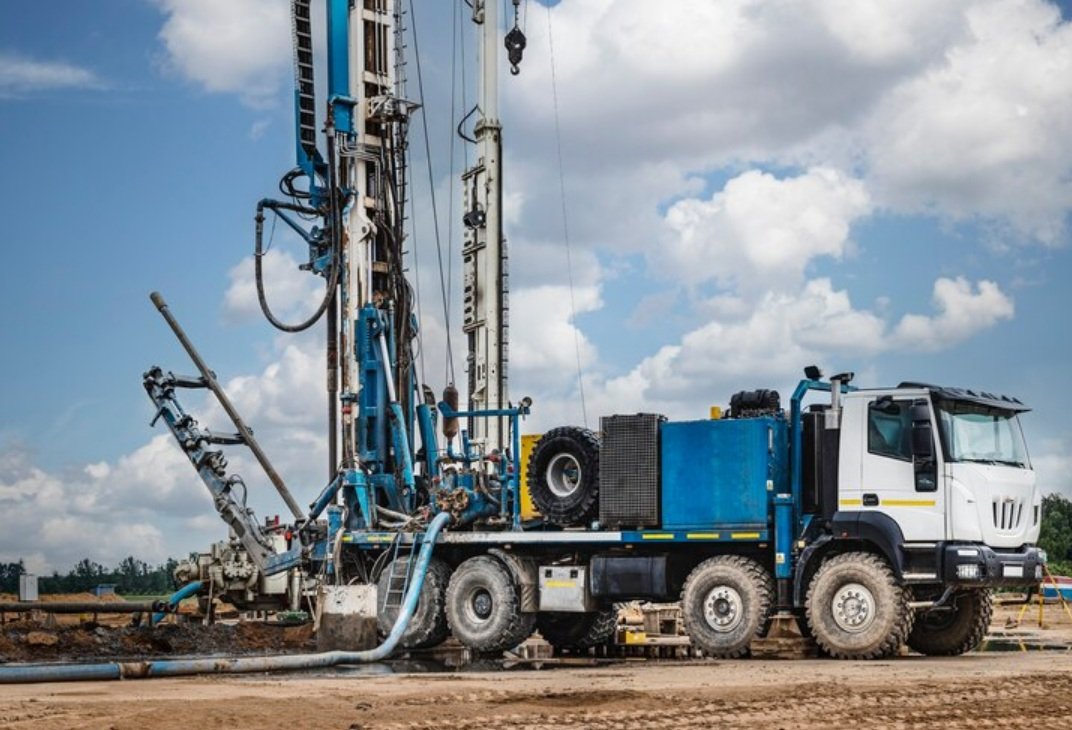
When you’re working on a concrete project, getting the mix where it needs to go is one of the biggest parts of the job. A concrete pump service can make that process a whole lot easier. Instead of hauling heavy loads by hand or dealing with wheelbarrows across rough ground, the pump moves the concrete straight to the spot. It keeps the job cleaner, quicker, and safer for everyone involved.
From the start, it helps to know what to expect. A good concrete pump service shows up ready, stays in sync with the rest of the crew, and focuses on getting every pour just right. Whether your project is big or small, wide open or tucked in a hard-to-reach spot, this kind of setup can take stress out of the day and help things go more smoothly.
Getting Set Up Before the Job Starts
Before any concrete hits the ground, a lot of the work happens during setup. We walk the site early to figure out where the pump and hoses will go. This step helps us avoid delays and keep everything moving once the job gets going.
• First, we check for clear paths across the property and figure out the best route for hoses.
• We look at how much space there is for the pump to stay in place while still reaching every needed area.
• Any obstacles, like tight corners or fencing, are noted ahead of time so we can plan around them.
Once we know the layout, we get the gear in position. Good setup leads to fewer spills, less downtime, and fewer steps back and forth. It also helps us stay aware of any safety concerns, like crowded areas or soft ground.
What the Crew Brings and How They Work
When we pull in, we’re not just bringing one piece of equipment. A concrete pump setup includes several parts, and each one has its job.
• The main pump is what pushes concrete through the hose. It stays in place during the pour.
• Hoses carry the wet concrete right to the formwork or slab area. We adjust the hose as needed to reach corners and curves.
• Safety gear like gloves and boots helps us stay protected, especially when the surface gets slick.
Once the pour begins, we keep in close contact. One person might guide the hose while another watches the mix and makes sure everything is moving at the right pace. We’re watching the concrete as it flows, making sure it settles smoothly without gaps or air pockets. If anything needs to change, like speed or hose direction, we talk it through right away so everything stays on track.
Safety and Clean-Up During the Pour
A big part of our job is keeping people and the site safe while we work. That means staying aware of where people are standing, keeping the equipment steady, and watching out for any spill points.
• Barriers might go up to mark pump zones, so no one walks through areas they shouldn’t.
• We make sure the hose doesn’t swing or spray as it moves to different parts of the job site.
• If the ground gets slick, we’ll pause and adjust so no slips happen.
After the pour ends, we’re not finished until cleanup is done. We flush out the pump and hoses, pack everything away, and check the area for leftover material. Leaving things tidy helps everyone, for the next crew, for the property, and for anyone walking through the site later.
Common Types of Projects Where Pumping Helps
We get called in for all sorts of projects, and each one is a little different. Concrete pumping ends up being the smarter option in more cases than most people expect.
• Patios that sit behind a house where truck access is limited
• Footers that need to run along long boundary lines
• Basements or lower levels where mix has to go downhill
Our services include line pump and trailer pump solutions ideal for patios, slabs, footers, basements, and any hard-to-reach project throughout Pennsylvania. By combining the right equipment and a team experienced in residential and commercial pours, we make even tight-access jobs run smoothly from setup to cleanup.
Any time the space is tight or the path is hard to reach, a concrete pump service can save the day. Instead of spending extra time moving the product by hand or dealing with mess from wheelbarrows, we let the pump do the heavy lifting. It cuts down on delays and gives more control over where the mix goes.
Questions You Can Ask Before the Job Starts
The best results come from planning ahead. Talking through the job before pour day helps everyone understand what’s expected and what’s needed on site.
You might ask:
• How early should we clear the area before you arrive?
• Is there anything you need to reach the pour site we should move ahead of time?
• How long will the pump setup and cleanup usually take?
Having these conversations a day or two in advance means fewer surprises once the work begins. It also helps us match the pump and crew size to what the job needs, which keeps things running smoothly all around.
Smooth Pour, Strong Finish Every Time
Getting good results with concrete starts well before the mix ever touches the ground. Every step, from setup to safety to the final clean, plays a part in how the finished slab turns out. When the right tools show up on time and the crew knows what they’re doing, the job runs better from start to finish.
With smart planning and a clear process, pumping helps take the pressure off pour day. Once it’s done, the concrete is right where it belongs, flat, even, and ready to last.
At Slump Pump, we know that every concrete job runs better when the process feels simple and the results are solid. Whether you’re working on a backyard slab or a more complex layout, the right setup makes all the difference. A well-managed pour starts with planning, clear paths, and the right tools in place, especially when using a concrete pump service. When you’re preparing for a project and want it done right without the mess or delays, we’re here to help. Give us a call to talk through what you need and how we can support your next pour.