

When you’re working on a concrete pour in Southampton, a smooth and clean setup is one of the most important things to get right. If your line pump isn’t positioned right or the hoses aren’t connected properly, you’re opening the door to flow problems, wasted material, or even safety issues that could slow everything down. A reliable setup isn’t just about routine. It’s what keeps your job moving without hiccups.
September is a busy month for construction around here. The weather’s still warm enough for concrete work, but early signs of fall make timing more sensitive. That’s why getting your concrete line pump set up and running the right way matters even more. Small preparation steps can help you avoid common problems on site like mix blowouts, clogs, or damaged lines. Whether it’s a basement pour, a patio, or a longer run to a back lot, you need to be sure everything’s locked down tight before hitting the switch.
Pre-Setup Checklist
Prepping a line pump shouldn’t be rushed. Taking ten minutes to run through a solid checklist can save you hours of clean-up or problem-solving later on. This is especially true in early fall. September weather in Southampton can shift quickly, and one small thing out of place could cause the pump to misfire or materials to set too fast.
Here’s a breakdown of what to check before you even power up the line pump:
1. Inspect the entire pump for wear and leaks, especially around the seals and housing.
2. Check the chute, hopper, and valves for any leftover mix or buildup from your last job.
3. Make sure all hoses are free of cracks or soft spots, and that all clamps are clean and working properly.
4. Keep a pressure gauge on hand and confirm your backup equipment is nearby if needed.
5. Confirm your job site is clear of obstacles that might tangle hoses or block vehicle access.
6. Walk the line route and plan for safe hose placement that avoids high-traffic or uneven ground.
7. Look up the weather forecast. Rain, extreme heat, or sudden cold snaps can change how your equipment and mix behave.
8. Gather safety gear like gloves, hard hats, high visibility vests, and boots with solid grip.
9. Have an emergency shut-off plan and make sure everyone on site knows how to use it.
People often overlook things like leftover slurry or small cracks in the hose. But those tiny issues can cost you big if a line bursts during a pour. Taking a bit of time upfront lets you get into the job with way fewer surprises.
Setting Up the Concrete Line Pump
Once you’ve finished checking your gear and the job site, setting up the pump comes next. Placement, ground support, and connection details all play a role in how efficiently and safely your pump will run from start to finish.
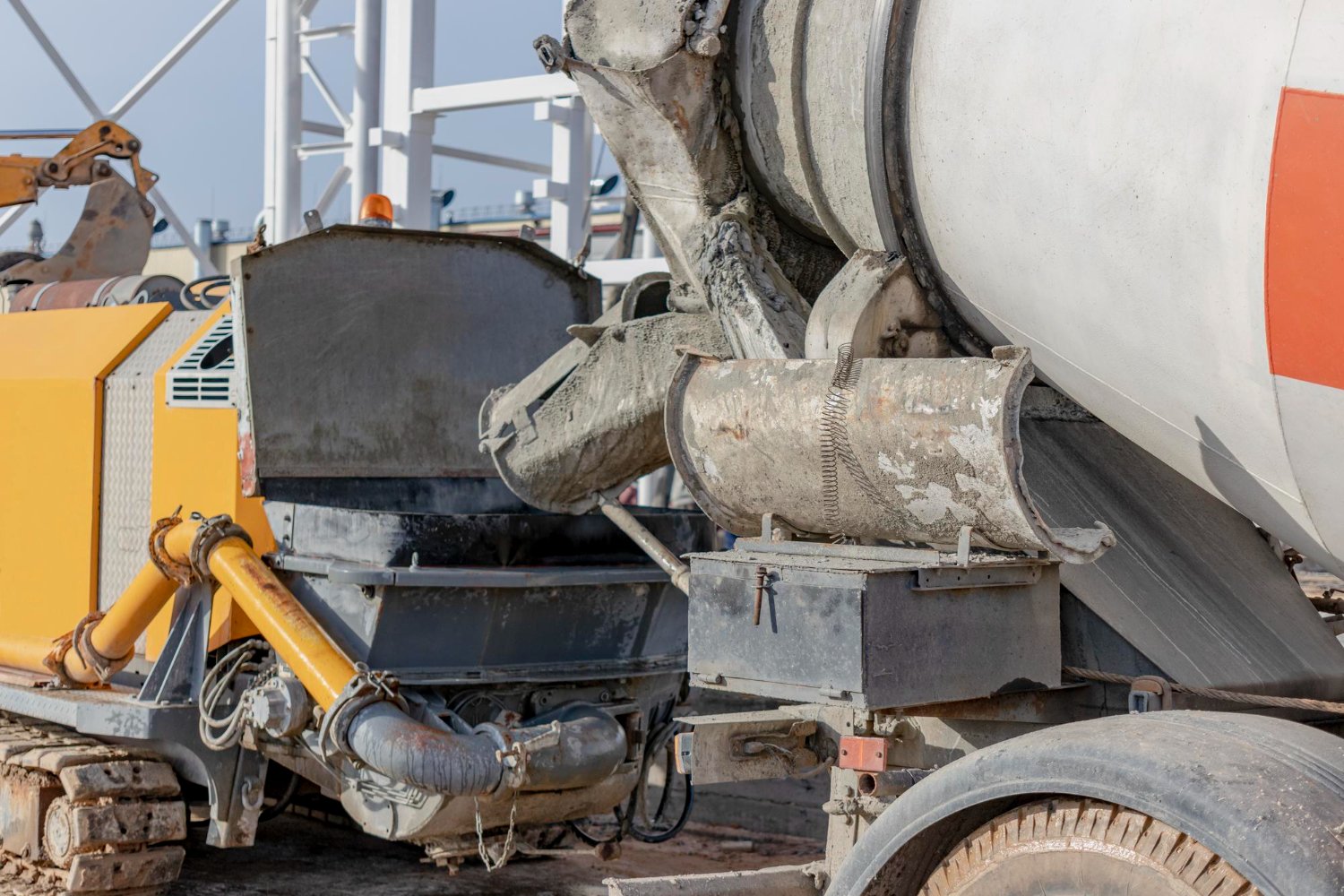
Start with the pump’s positioning. Put it on flat, solid ground. Gravel or compacted dirt works best. Avoid placing the unit on soft soil or uneven surfaces, especially if it rained the night before. Use stabilizers if your trailer pump starts to rock or shift during setup. Make sure the hopper is placed where the concrete truck can back in easily and dump straight in.
Next, unroll and lay out your hoses. Begin at the outlet of the pump and work your way toward the pour site. This helps you make sure the length is correct and doesn’t end up with tangled sections. Keep turns and kinks to a minimum to reduce pressure loss. Wherever possible, keep the hoses supported off the ground or cushioned if crossing sharp edges. All clamps should face the same direction and be snug, but not overtightened.
Always take a quick pause before turning on the pump. Take a slow walk around the entire setup, checking each joint, connection, and hose path. If something looks even slightly off, fix it before starting. That one last check can be the difference between a good pour and one that ends early with blocked lines.
Connection problems and bad placement are two of the biggest setup issues. For example, if the pump outlet is aimed downhill without proper hose support, gravity can pull the mix too fast and cause a surge. Stabilizing those early connections helps keep the pumping process steady through the whole job.
Operating the Concrete Line Pump
Once everything is in place and secure, it’s time to start pumping. Starting the pump right sets the tone for the rest of the pour. Rushing this part or skipping a step increases the chance of flow issues or line blockages. You want the mix moving smoothly from the hopper to the pour point without breaking up along the way.
Start by filling the hopper with a small amount of concrete, then slowly power up the pump. Don’t rush. A gradual ramp-up lets any air pockets in the line move out gently and reduces pressure spikes. Listen for odd sounds like rattling or knocking. Watch the hoses for unexpected shaking or stiff spots. These early signs usually point to mix or hose path issues.
While pumping, always check the flow at the discharge point. If the output starts pulsing or surging, ease off the throttle and check the line. You might need to reverse the pump briefly to clear a partial blockage. Use slow, steady movements and rely on hand signals or two-way radios to stay in sync with your team.
Never let the hopper go dry. Air in the system can cause separation or clogs down the line. Keep someone at the hopper during the pour to top it off as needed and skim off any debris. Stuff like chunked mix or stones can throw off pressure and slow the job down.
Long runs especially need attention. Late summer in Southampton can still bring hot days, and that heat makes mix thicken quicker inside the hose. Even during short pauses, try to keep the mix moving gently. Sitting concrete is tougher to work with than a slow-moving line.
Staying Safe During Pump Operation
Safe setups protect your team and your timeline. Everyone near the pump needs to be trained and ready, not just the operator. A clear safety plan helps reduce confusion and risks tied to concrete line pumping.
Key practices to follow:
1. Always wear protective gear: hard hat, gloves, durable boots, and high visibility vests.
2. Stay away from hose ends when flow is paused or starting up. Pressure can snap back fast.
3. Keep walkways and pump zones clear. Only active crew members should be near the line.
4. Assign spotters when dragging hoses, especially around blind corners or slopes.
5. Pad sharp edges if hoses rest on them. Friction damage can cause leaks fast.
6. Agree on hand signals or use radios in case loud equipment blocks hearing.
7. Be ready to shut off the pump immediately if something seems wrong.
8. Always release pressure before disconnecting hoses or fittings.
Emergencies can happen without warning. A hose burst or sudden pump stop doesn’t have to turn into a crisis if your team knows the drill. Checklists and safety walk-throughs at the start of the day are small steps that make a big difference if things go sideways.
Don’t ease up once the pour is done either. Clean-up carries risks too, especially if pressure lines aren’t fully bled or if hoses are yanked off too quickly. Good habits before, during, and after a job add up to safer finishes and smoother jobs overall.
Keeping Your Equipment in Top Shape
Regular upkeep is what keeps your line pump working all season with fewer breakdowns. Treat your pump like any other piece of heavy equipment. Put off maintenance, and you’re asking for trouble mid-job.
After every use, flush the pump and lines completely. Use water and a cleaning ball to push out leftover slurry. Keep going until the outflow runs clean. Scrub down the hopper, chute, and valve areas. Hardened mix in these spots can cause damage next time.
You should also check and maintain parts regularly:
– Grease all moving areas every week
– Look over hoses and clamps often for wear
– Replace oil and hydraulic filters as recommended
– Swap out seals, rings, and wear plates at the first sign of damage
– Test all controls before every job
Track issues in a logbook. Jot down anything strange that happens during use. A sticky control or leaking seal might not seem big now but could lead to bigger problems next week. Logging this stuff helps fix small issues before they grow.
A healthy pump makes the job easier for everyone. If the equipment works the way it should, the crew knows things will go smoother, and that helps the job from start to finish.
Keep Your Concrete Pours Running Smoothly in Southampton
Every pour has its challenges, but line pump jobs during late summer in Southampton can go quicker and cleaner with extra care upfront. Checking gear, planning the line, and adjusting for weather conditions are all small efforts that help avoid hours of cleanup or rework.
Smooth operation takes focus. Start slow, watch the mix, and keep up with communication to make sure your crew stays ahead of any problems. Safety steps and simple prep routines help cut down wasted time and protect your team.
If your pump setup and maintenance stay consistent from job to job, you won’t have to play catch-up when the unexpected happens. That kind of reliability leads to fewer delays and better finishes every time.
If you’re ready to tackle your next project with precision and efficiency, see how a concrete line pump can help streamline the job from start to finish in Southampton. Let Slump Pump deliver the dependable pumping solutions you need to keep your worksite running smoothly. Contact us today to learn more about how we can support your next pour.