

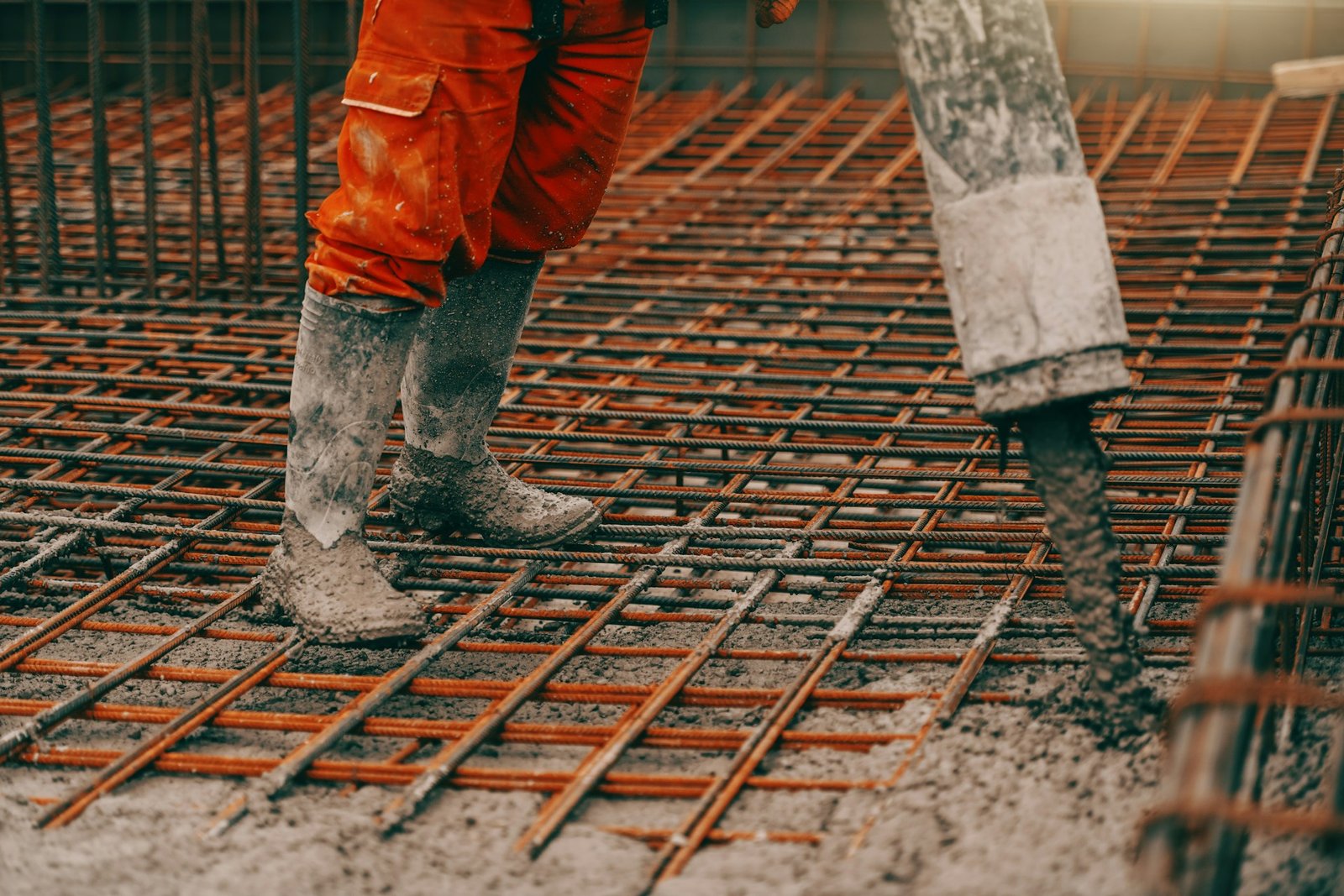
Large-scale concrete projects are never simple. Whether it’s a commercial foundation, a long retaining wall, or a large slab for a warehouse, things have to move smoothly to stay on track. These jobs usually involve tight deadlines, heavy logistics, and a lot of coordination between teams. Mistakes early on can lead to major delays, extra costs, and even structural problems down the line.
The good news is that strong planning and the right process can help avoid many of those problems. From picking the right concrete mix to knowing when to bring in specialized help like commercial concrete pumping, smart decisions early on can set the stage for a successful project. If you’re working on a site in Southampton or managing multiple teams, getting it right from the start makes the whole job go easier.
Planning And Preparation for large-scale concrete projects
Kicking things off with a clear plan will save time, money, and headaches. Before the concrete even arrives, it’s important to fully understand your site setup and know what challenges you might face. Sloped ground, limited space for trucks, or nearby buildings can all change how concrete gets placed.
Here’s what to focus on during that prep stage:
– Walk the job site and take note of difficult areas or access points
– Set a clear timeline that allows room for unexpected weather or delivery changes
– Choose staging areas for your materials and equipment to avoid chaos when trucks arrive
– Make sure your forms and rebar are checked, secure, and ready for pouring
You’ll also want to connect early with engineers, architects, or anyone overseeing structural design. Confirm that the concrete specs match up with load requirements before pouring begins. A small misstep in those early conversations can snowball into major delays, especially on commercial sites where fire codes, drainage rules, or zoning guidelines might come into play.
Lastly, don’t assume your local weather won’t have an impact. While early fall in Southampton often brings good pouring conditions, a few rainy days can throw off a tightly scheduled pour. Always build in buffer time. The more you prepare beforehand, the fewer site surprises you’ll have to deal with when trucks start rolling in.
Choosing The Right Concrete Mix
Not all concrete is the same. For smaller pours, you might get away with basic ready-mix concrete. But on commercial jobs—where strength, durability, and timing matter—you’ll need something more thought-out.
Choosing the right mix depends on a few key things:
1. Project Scale And Load Needs
If you’re working on a large slab that will hold heavy machinery or constant traffic, a higher-strength formula is usually needed. Residential sidewalks and commercial flooring don’t need the same specs.
2. Pour Location And Temperature
Fall in Southampton can range from sunny and mild to cooler damp days. These shifts can affect setting times. You may need a mix that sets quicker or includes accelerating admixtures to help things cure evenly.
3. Additives (Admixtures)
Concrete admixtures can do a lot. They can extend workability, speed up setting, resist water damage, and even reduce cracking later on. Picking the right combo makes a big difference for how your concrete performs during and after the pour.
One example: If you’re pouring a slab for a commercial garage in late September, you might deal with cool mornings and warmer afternoons. A concrete mix with a hydration control agent could help keep the setting time steady from start to finish, even with the temperature swings.
Before locking in your mix, talk things through with your batch plant and engineer. Let them know what the project involves and get their input on what mix can hold up and still meet your timeline. It’s a step that too many people rush through, but it can change how your concrete performs and how long it lasts.
Efficient Concrete Pumping
Large-scale commercial pours can quickly fall off schedule if the concrete doesn’t get where it needs to be in time. That’s where commercial concrete pumping in Southampton becomes the better choice over traditional methods. It’s faster, more accurate, and helps you keep the pour clean and steady.
Here are a few tips to get the most out of your pumping setup:
– Pick the right pump for the job. Line pumps are great for smaller spaces or tighter setups. Boom pumps work better when the pour needs to cover long stretches or elevated forms.
– Double-check the concrete mix against your pump type. Some mixes are too coarse or too dry, which can clog lines or cause delays mid-pour.
– Always walk through the hose path beforehand. Remove anything that might block access or pose a risk to workers nearby.
– Keep a crew member stationed at both the pump and pour area. Constant communication keeps everything moving and allows for quick corrections.
Timing matters too. Make sure your crew is in position before the first load arrives. If there’s a long wait or heavy traffic in town, schedule your delivery earlier in the day to avoid delays that might affect concrete quality. When a pump is running, keep the rhythm going. Stop-and-go flow changes how the concrete settles, which might lead to uneven curing or surface issues.
Efficient pumping keeps a large jobsite running like clockwork, from tight corners on multi-story builds to long span warehouse slabs. When done right, it cuts down labor, saves time, and keeps the entire crew on task.
Quality Control And Safety Measures
Even with good prep and strong mixing, quality control can’t take a back seat. During a large-scale concrete job, there are a lot of small steps where things can slip. Staying on top of checks before, during, and after each pour helps catch problems early and keep the structure solid from base to finish.
Here are a few key quality measures worth setting in place:
– Watch the weather forecast throughout the day. Fall in Southampton can change fast, so small conditions like winds or surprise rain can impact curing.
– Test your mix on-site before pouring a full batch. Don’t rely just on what was sent from the plant.
– Check slump, air content, and temperature regularly, especially during long pours or changing weather conditions.
On the safety side, keep the site organized. Place safety signs around pump areas, slab edges, and rebar zones. Crew members should wear protective gear at all times. Having a foreman or lead crew member oversee safety from start to finish avoids gaps in awareness.
Spot checks are also helpful. Someone not directly involved in pouring should circle back and inspect forms, bracing, and nearby obstacles from a fresh angle. That second set of eyes often catches little things the main crew might overlook.
When both quality control and site safety are taken seriously, your project runs cleaner and smoother. The finish will look better, and you won’t have to backtrack later on repairs or inspections that could have been avoided.
The Road to Project Success
Every large-scale concrete job shares one truth: the details matter. From choosing the right mix to planning your site and using the best tools for the job, each decision builds on the one before. Waiting until pour day to figure out pumping routes or site flow only adds pressure. Laying the groundwork early makes the rest of the process easier to manage.
Commercial concrete pumping, smart planning, and close collaboration with professionals all play a part in keeping large jobs on track and safe. Better planning up front takes away the guesswork and turns a complex project into one that simply works. When each stage is done well, the rest tends to fall into place.
Ensure your large-scale concrete projects in Southampton stay on schedule with help from our commercial concrete pumping team. At Slump Pump, we’re ready to handle tough access points, tight timelines, and complex pours so you can keep your build moving without delays. Let us know how we can make your next project smoother from the ground up.