

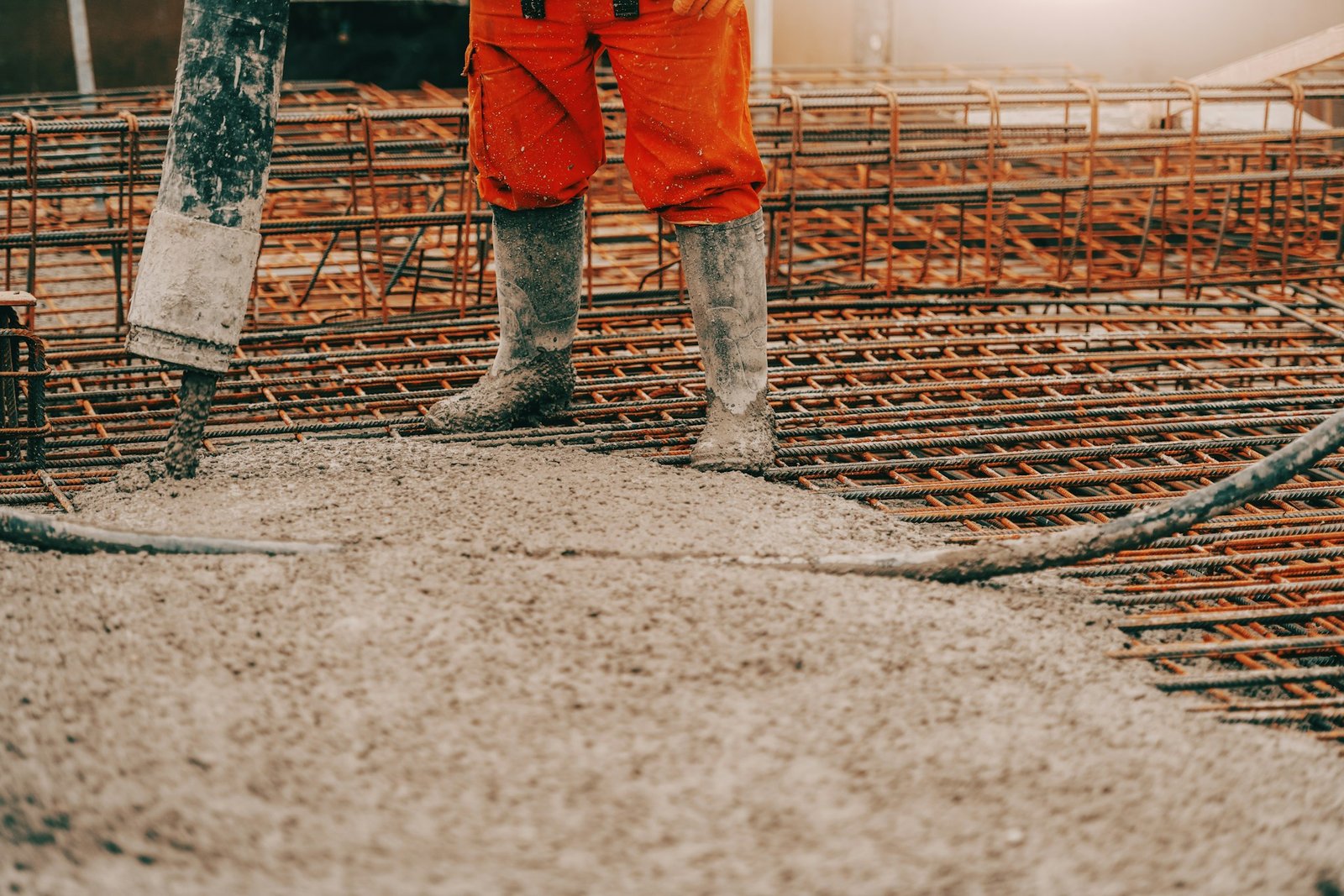
When it comes to small construction projects like patios, walkways, or footers, many homeowners and builders in Southampton are turning to concrete pumping. It might seem like overkill for a small job, but it actually makes the entire process faster, cleaner, and a lot less stressful. With less mess and more control over where the concrete goes, it’s becoming a go-to choice for small sites that still need precision and solid results.
Affordable concrete pumping lets projects move along without needing large crews or lots of manual labor. In a place like Southampton, where space on some properties can be tight and weather shifts can impact a schedule fast, keeping things smooth and efficient makes a big difference. Whether you’re planning something for a private backyard or doing smaller commercial slab work, there’s a good chance pumping might be the smarter route.
What Is Small-Scale Concrete Pumping?
Small-scale concrete pumping is used for jobs that don’t take a huge amount of concrete but still need accuracy, speed, and clean results. Instead of hauling wheelbarrows back and forth or dealing with shaky pours from a chute, a pump pushes the concrete exactly where it’s needed through a hose. That hose can reach tight corners, long distances, or even locations with limited access, like narrow alleys or fenced-in spaces.
This approach works well for things like:
1. Residential patios or garden slabs
2. Short driveways or extensions
3. Basement floor refills
4. Detached garage foundations
5. Pool decks or outdoor kitchen bases
For example, say a homeowner in Southampton wants to refinish their side patio. The area is squeezed between a fence and the house, and a truck can’t back in. This is where small-scale pumping comes in handy. The hose gets threaded through the gate, and the concrete flows right to where it’s needed with no heavy lifting and no damage to landscaping.
These kinds of projects don’t call for massive equipment or full crews, but they still benefit from the accuracy and speed of pumping. It’s a service built for jobs that are too big for hand-mixing but don’t need full-on commercial crews.
How Affordable Concrete Pumping Saves You Money
Spending less often comes down to working smarter, not just using cheaper materials. With affordable concrete pumping, the value comes from a mix of saved time, fewer labor needs, and reduced waste. Pouring by hand or direct chute runs the risk of spills, mistakes, and extra work smoothing out an uneven finish. That all adds up in labor hours, material overages, and even rework costs.
Pumping gets the concrete moving quickly and right onto the target spot, which means:
– Less waste from spills
– Faster pours to reduce crew time
– Fewer people needed on site
– Cleaner finish with easier shaping and leveling
– Better ability to stay ahead of weather changes
Pouring a small slab the traditional way might take a whole day if the site’s hard to reach or the crew is small. With a pump, that same slab could be poured and finished in less than half the time, depending on the site. Less time means fewer hours on the clock, which adds up to real savings by the end of the job. When you look at the bigger picture, the upfront cost of hiring a pump often ends up being the more affordable route.
Choosing The Right Equipment For Small Projects
Picking the right pump is one of the key steps in making a small-scale concrete job run smoothly. Not every machine fits every job. For smaller pours, you don’t need the kind of heavy-duty gear you’d see on a big construction site. You’ll want equipment that matches the size and setting of your job without overcomplicating things.
There are two main types of pumps often used for these kinds of projects:
– Line pumps: These are great when space is tight. They run hoses along the ground and are easier to maneuver into hard-to-reach places. Most small driveway pours, patios, and backyard fixes can be handled well with a line pump.
– Trailer pumps: These are mounted on a trailer and pulled by a truck. They can move concrete long distances and work well for slightly larger small-to-medium projects like basement floors or detached garages.
Let’s say you’re pouring a walkway that curves around the side of a home in Southampton. Space is limited, and there’s some landscaping that needs to be left untouched. A line pump allows for flexible hose placement, so you can get the concrete right where it belongs without tearing up the yard or driveway. It saves time and helps avoid the extra costs of cleaning up damage from using the wrong setup.
Picking the correct pump keeps the job moving. It makes sure the concrete flows at the right pace, gets placed exactly where it’s needed, and doesn’t dry too fast or too slow due to delays or rework. For any small project, matching the scale to the equipment keeps things simple and on track.
Ensuring a Smooth Process From Start To Finish
No matter the size of the project, a little planning ahead goes a long way. Having everything ready before the truck and pump roll in makes the pour go quicker and avoids a lot of stress. A clean, prepared site means fewer delays and fewer surprises once the concrete starts flowing.
Here are a few ways to make sure things stay on schedule and run well:
1. Clear the space where the concrete will be pumped, removing debris, tools, and anything that might block the hose
2. Make sure there is a safe path for setup, especially through gates, walkways, or tight areas
3. Confirm where the truck will park and how close it can get to the pump location
4. Let neighbors know ahead of time if their access might be temporarily blocked
5. Check the weather and reschedule or cover the work area if needed
6. Talk with the crew about mix amounts, timing, and any project notes
Communication is just as important as the gear. A quick run-through with the operator before the pour starts clears up any questions about where the concrete should go, how thick it should be, or if there are any tricky corners or slopes to work around.
Also, don’t forget to have the right tools standing by once the concrete is down. Things like a bull float, edger, and broom come in handy if you’re going with a textured or brushed finish. Timing is everything with concrete work. Getting these details lined up ahead of time helps avoid last-minute scrambles.
Avoiding Common Pitfalls in Small-Scale Pumping
Small jobs may seem simpler, but they’re still open to mistakes that can cost time and money. Misjudging the concrete amount, using the wrong pump, or struggling with setup delays are all common issues that can turn a short job into a frustrating one.
Here are some of the most common mistakes and how to dodge them:
– Underestimating the space needed for the pump and hose layout
– Ordering too little concrete and running short halfway through
– Leaving the concrete too long before smoothing it out
– Not securing edge forms, especially on slopes
– Overlooking weather forecasts when planning the pour
Doing a quick walk-through a few days before can help prevent these problems. Make sure everything from access to curing methods is covered. For instance, if you’re pouring a foundation slab on a day that might hit a heatwave, you’ll want to have water or covering materials ready to help it cure evenly without drying too fast.
Hiring experienced crews who understand how to work around real-world conditions and tools helps avoid these hiccups. It creates a smoother, more predictable outcome.
Getting Started with Affordable Concrete Pumping in Southampton
Even small-scale concrete jobs bring their own set of choices and challenges. From selecting the right pump to getting your backyard or sidewalk ready before the pour, every piece plays a role in how smooth the job goes. It may not be a major build, but it still deserves real planning and the right tools.
If you’re in Southampton and working on any tight-access space or hard-to-reach job, small-scale concrete pumping might be exactly what you need. It offers smoother pours, cleaner results, and safer working conditions. Combine all of that with savings on time and labor, and it becomes a pretty clear choice.
Whether you’re adding a new patio, resetting a garage floor, or fixing up a walkway, thinking ahead and calling in support can help you get it done without all the guesswork. With the right crew, the right equipment, and a little prep, your next small concrete project can go off without a hitch. Concrete pumping takes the pressure off your back and puts it where it belongs—on the hose.
For homeowners in Southampton planning small-scale concrete work this season, looking into affordable concrete pumping can make a big difference. Whether it’s a patio, a sidewalk pour, or a tight crawl space, Slump Pump delivers a smoother, faster, and cleaner way to get the job done right the first time.