

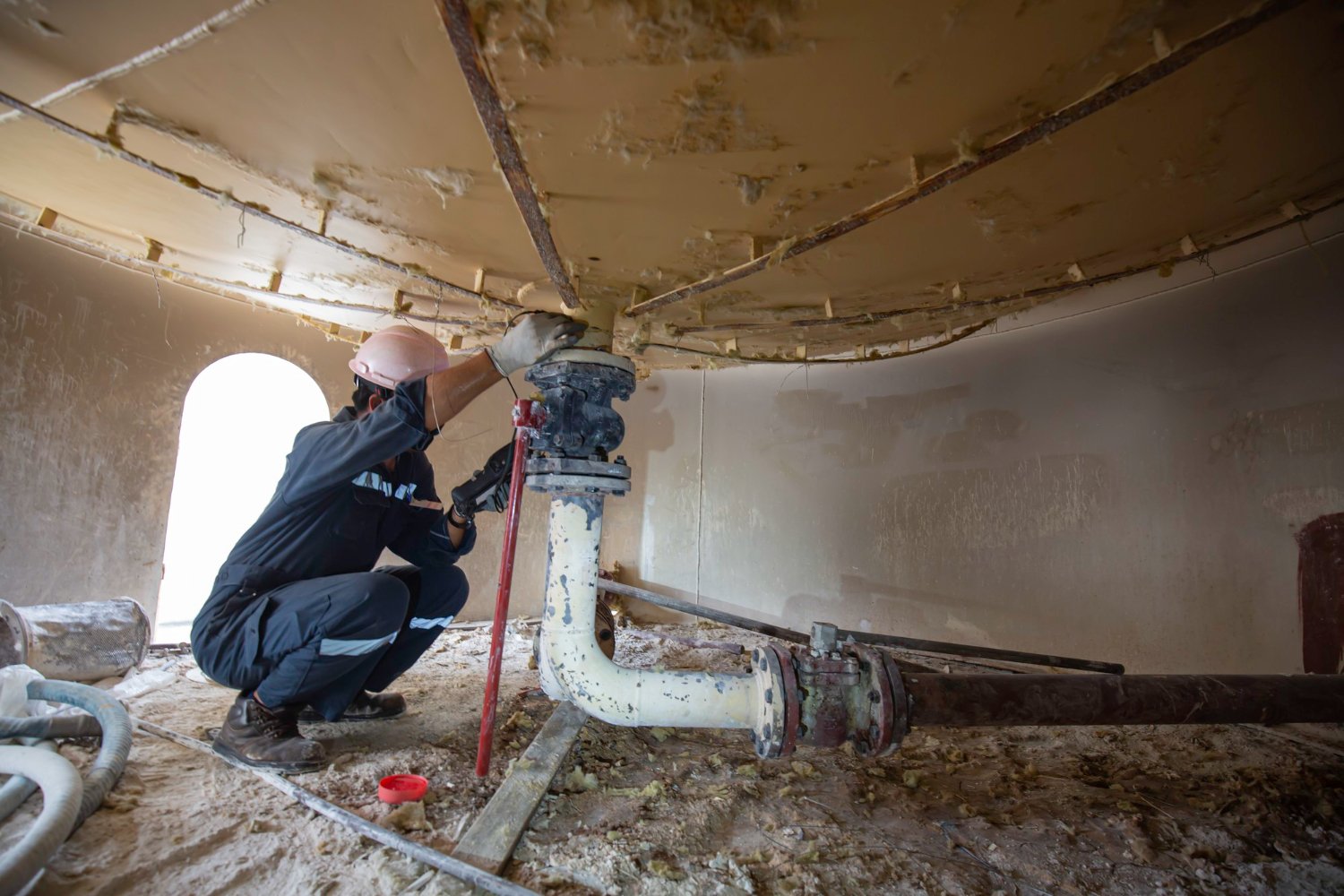
When the weather starts cooling down, many homeowners forget about what lies beneath their floors: the crawl space. But during fall, that overlooked part of your home can become a source of trouble if it’s not taken care of properly. Cold air, moisture, and even pests can sneak in through cracks and gaps, eventually leading to mold or damage to your home’s structure.
Crawl Space Concrete pumping gives you a way to seal off your crawl space in a lasting way. It adds strength while helping to stop moisture and temperature swing issues. If you’ve ever walked into your home on a winter morning and felt a strange cold draft on your feet, there’s a good chance your crawl space insulation or sealing isn’t up to par. That’s where concrete solutions can really make a difference.
Why Winterizing Your Crawl Space Matters
An unprotected crawl space during winter isn’t just uncomfortable. It can create real problems. When cold air gets into the crawl space, it doesn’t stay there. It travels up through the floor, making your house colder. That means your heating system has to work harder. And if there’s moisture down there, it can lead to pests or mold, making things worse.
Concrete is one of the most long-lasting ways to close off the crawl space and keep unwanted problems out. Instead of thin plastic barriers or other materials that degrade over time, concrete creates a solid shield that doesn’t shift or break down with the weather. It also helps keep the humidity level steady, which is especially useful in damp places, where winters can get pretty wet.
When crawl spaces are left untouched, here’s what tends to happen:
– Cold air leaks in, which cools down the floors above
– Moist air builds up, leading to condensation and potential mold
– Pests like mice or insects find openings to come in
– The structural integrity of the floor system may weaken over time
Sealing the crawl space with concrete doesn’t just fix these issues for winter. It lays down a strong base for better year-round protection too. If you’ve had past issues with water sitting in your crawl space or strange odors rising from underneath your house, it might be time to look at what concrete solutions can do for you.
How To Winterize With Concrete Pumping
Getting your crawl space ready for concrete pumping isn’t complicated, but it does involve a few key steps to make sure things go smoothly. First, the space has to be cleared out. That means removing old insulation, debris, or anything else that might be in the way. It’s also important to address anything actively leaking or damaged before pouring begins.
Once cleaned and cleared, the next step is choosing the right type of concrete mix. Not all mixes are made the same. For crawl spaces, the goal is to select one that offers a solid seal but also fits into tighter areas with ease. That’s where professional pumping makes a difference. It lets the concrete flow accurately into the smallest sections without having to tear out big sections of your home.
The process of crawl space pumping usually involves:
1. Inspecting the crawl space to assess condition and layout
2. Prepping the area by clearing debris and blockages
3. Choosing the correct concrete mix that’s designed for low-clearance areas
4. Pumping the concrete through specialized hoses to reach tricky spots
5. Smoothing and leveling out the surface for an even finish
6. Letting the area cure without disturbances
Timing matters too. Doing this work in early fall allows the concrete to cure properly before colder nights set in. Safety is also a part of the process. From wearing the right protective equipment to making sure the job is done in a way that keeps the structure and workers safe, every step needs attention. Crawl space concrete pumping isn’t something to guess through. Mistakes can lead to cracks, uneven surfaces, or worse. That’s why it’s better left to the pros.
Benefits of Professional Concrete Solutions for Crawl Spaces
While store-bought options or quick patches might seem like enough to get through the cold months, they usually don’t hold up long term. When you seal a crawl space with professionally pumped concrete, the results are far more dependable. You end up with a surface that’s even, sealed, and tightly bonded, one that won’t wash out or shift with seasonal changes.
Concrete creates a dense barrier that forms a solid, sealed surface, which keeps out moisture and blocks cold air better than loose-fill insulation or temporary foam. Once it sets, it doesn’t wear down easily, even through wet winters or long cold snaps. This kind of work also helps eliminate air gaps and weak points where problems tend to sneak in during winter, where freezing rain and damp conditions are common.
Beyond keeping out the cold, professional concrete work also helps level and support the crawl space, which can reduce sagging floor areas or weak spots over time. If your crawl space has been a constant source of drafts or smell, this approach can drastically cut down on those issues.
Here’s how these solutions can offer long-lasting benefits:
– Helps reduce heating costs by sealing out cold air
– Cuts down on moisture levels, stopping mold and mildew before they start
– Blocks pest access points better than soft materials
– Adds durable support to aging or uneven crawl space floors
– Lowers upkeep needs over time by preventing common wear and tear
Cheaper materials might feel like a good choice upfront, but they usually don’t offer the same protection year after year. Professional concrete service builds a clean, tough base that stands up better to weather, moisture, and time.
Easy Ways to Keep Your Crawl Space in Top Shape
Once your concrete is down and cured, keeping it in good shape doesn’t take a lot. Just a few quick checks throughout the year can help you spot problems early and avoid major repairs later.
A good season to inspect your crawl space is early spring. That’s when you can see how the concrete held up through winter and spot any settling or surface changes. By walking the perimeter of the space safely, you can look for cracks, standing water, or signs of animals trying to dig in. If your area sees a lot of rain, summer check-ins are a good idea too.
Some simple upkeep tips:
– Keep gutters, downspouts, and drains clear of leaves and buildup
– Make sure the soil slopes away from your home so water doesn’t sit near the foundation
– Check for musty smells, soft spots in the floors above, or damp air around vents
– Look for hairline cracks or chipped areas during each inspection
– Set a reminder to check your crawl space twice a year
If you notice cold floors, new drafts, or changes in air quality inside your home, those could be early signs something’s shifting below. Sometimes the change is subtle, like a slight squeak in a floorboard or a faint damp smell. One homeowner caught a problem early after they noticed their floors were cooler than usual, even with the heat running. Turns out, a portion of their exterior drainpipe had clogged, and water was slowly seeping toward their crawl space. Clearing the blockage and reinspecting the concrete stopped it from turning into a bigger headache.
Like any part of the home, crawl spaces don’t need constant attention but they do benefit from seasonal check-ins. Taking a few minutes to walk through or look underneath your house can prevent moisture from building up, pests from creeping in, and concrete from developing unnoticed damage. Doing so keeps your home stronger, longer.
If you’re looking to prevent moisture problems this fall and improve airflow under your home, crawl space concrete pumping is one smart way to do it. Learn how this service can make a difference and schedule with the team at Slump Pump by checking out our crawl space concrete pumping services today.